
 Business License

Industrial Microwave Dried Gelatin Cubes Puff Equipment: A Buyer’s Guide
If you produce puffed gelatin cubes, marshmallow-style inclusions, or collagen-based snack pieces, you already know the bottleneck: conventional hot-air or vacuum drying takes hours, delivers uneven puffing across the belt, and quietly erodes heat-sensitive functional properties. The search for a Food Microwave Tunnel Conveyor system usually begins exactly there—after a batch of cubes collapses, discolors, or fails a moisture spec. This guide explains how a Tunnel Continuous Microwave Oven changes the physics of gelatin puffing, what to verify before purchase, and how one processor cut drying time and energy cost with a Hi-efficiency Industrial Microwave Oven.
Why Gelatin Puffing Is Harder Than It Looks—and Why Demand Is Rising
Gelatin is a thermoreversible hydrocolloid. When you dry and puff it, the window between “fully expanded” and “case-hardened or degraded” is narrow. Traditional hot-air drying relies on slow moisture migration from the surface inward; the outer layer can vitrify before the interior has expanded, locking in a dense, glassy core.
Market pressure is making that window more valuable. The global food-grade gelatin market expanded from USD 1.51 billion in 2025 to an estimated USD 1.59 billion in 2026, with a projected CAGR of 4.89% . Confectionery remains the single largest application segment, contributing roughly 38% of global gelatin market revenue in 2025 . Puffed and aerated gelatin formats—cube inclusions, foam pieces, collagen crisps—sit directly in that growth path.-33-34
The technical case for microwave is not new, but the data has sharpened. A comparative drying study reported specific energy consumption of 64.95 MJ/kg for microwave–hot-air drying versus 245.70 MJ/kg for hot-air drying alone under matched gelatin-film conditions—roughly a 74% reduction in energy input per kilogram . Time followed the same trajectory: microwave-assisted drying completed in 70 minutes where hot air required 450 minutes . For a puffed cube, that shorter thermal exposure is not a convenience—it is a quality-control lever.-43
How a Tunnel Continuous Microwave Oven Solves the Puffing Problem
A gelatin cube entering a microwave tunnel is heated volumetrically. Microwaves couple with the water distributed inside the matrix, generating vapor pressure internally. That internal pressure is what drives expansion—not external heat pushing inward. The result is a puff that forms from the inside out, with a more open, uniform cellular structure.
Three engineering features separate a production-grade Food Microwave Tunnel Conveyor from a laboratory unit:
Volumetric heating, not surface-first heating. Microwave energy penetrates the material so the inside and outside are heated simultaneously, shortening processing time and reducing the risk of case-hardening .-31
Conveyor-linked power zoning. Industrial tunnel platforms combine adjustable conveyor speeds (commonly 0.3–6 m/min, and up to 10 m/min on some gelatin-specific designs) with independently controlled microwave power zones, so the puff profile can be tuned along the tunnel rather than set by a single oven temperature .-16-31
Low-temperature operation with instant power control. Microwave drying does not require high ambient temperatures, and power can be stepped or switched without thermal inertia—critical when gelatin’s functional integrity is the product .-31
For gelatin cubes specifically, microwave-vacuum expansion has been documented to generate micro-bubble pores while avoiding surface hardening and difficult internal moisture drainage . The same principle applies in a continuous tunnel under optimized airflow and power zoning: the vapor escapes through a controlled porous structure rather than rupturing the cube.-29
Practical Guide—How to Configure Microwave Puffing for Gelatin Cubes Without Collapse
Long-tail question this section answers: How do I puff gelatin cubes evenly in a continuous tunnel without surface hardening or loss of gel strength?
Stage the moisture before the tunnel. Feed cubes at a consistent, moderate moisture content. Too wet and the vapor pressure builds faster than the matrix can expand; too dry and there is insufficient driving force for puffing. Pre-conditioning to a uniform feed moisture is the single highest-leverage variable in repeatable puffing.
Start with a lower power density and a slower belt speed, then profile upward. Use the first tunnel zone for internal temperature equalization, not maximum expansion. Ramp power in subsequent zones. A gelatin-capable tunnel with independently zoned microwave power and variable-frequency conveyor drive makes this possible without changing recipes.
Set conveyor speed against cube size, not line speed. Smaller cubes need shorter residence time to avoid over-expansion and color darkening. Larger cubes need enough residence to allow internal vapor to migrate out. Treat conveyor speed as a product-specific parameter, not a throughput dial.
Monitor outlet moisture, not inlet temperature. Microwave energy absorption depends on the dielectric load, which changes as the cube dries. Continuous moisture feedback—or at minimum, frequent outlet moisture checks—is more actionable than a fixed temperature setpoint. In gelatin drying, moisture-sensor-based automatic control has been shown to improve yield and deliver substantial energy savings through precise dryer control .-26
Cool under controlled humidity before packaging. Puffed gelatin is hygroscopic and structurally fragile while warm. A short tempering step prevents collapse from residual moisture gradients and avoids post-puff shrinkage.
Case Evidence—What Changes When the Dryer Matches the Product
A documented microwave-vacuum expansion process for donkey-hide gelatin paste—a closely related collagenous matrix—reported 10 kg of gelatin paste dried per hour per unit, with a drying window of 40–60 minutes . The dried material formed a porous, easily crushable structure without the surface-hardening and drainage problems associated with conventional drying .-29
Energy economics tell a similar story. For the same gelatin-paste drying duty, microwave-vacuum equipment consumed approximately 1.0 CNY of electricity per kilogram of paste, compared with 4.75 CNY/kg for ordinary vacuum equipment—roughly 79% lower electricity cost per kilogram . Equipment footprint was also smaller: the microwave line occupied about 35% of the floor area of comparable conventional vacuum drying equipment .-29
At the industrial drying-systems level, the market has already priced this in. Ventilex, which commands roughly two-thirds of the premium gelatin drying market, partnered with TEWS to integrate microwave-based moisture measurement directly into gelatin dryer control; the collaboration targets improved yield, energy savings, and a payback period of less than one year on the control retrofit alone . The signal for a puffed-cube producer is straightforward: the economics of precision microwave drying are no longer speculative.-26
FAQ
Can one tunnel run different gelatin cube sizes and recipes?
Yes, within mechanical and power limits. Look for independently zoned microwave power, variable-frequency conveyor speed, and recipe storage. A Hi-efficiency Industrial Microwave Oven sized for your largest cube should be validated on your smallest format before shipment, because residence-time requirements differ disproportionately with size.
What is the typical lead time and MOQ for a gelatin puffing tunnel?
MOQ is commonly one set for production-scale tunnel equipment. Lead time depends on power configuration, conveyor width, and whether vacuum or atmospheric expansion is specified. Request a factory acceptance test on your gelatin formulation rather than a generic starch-based surrogate—puffing behavior is matrix-specific.
How do I verify uniform puffing before placing a production order?
Ask for a timed throughput trial with your cubes, with outlet samples taken across the full belt width at three consecutive time intervals. Measure piece density, hardness, and moisture at belt-left, center, and belt-right positions. Uniformity across width and time is the only meaningful proof that the microwave field and conveyor interface are properly matched to your product.
Next Step
If your current drying line is limiting puff uniformity, energy cost, or throughput, the productive next move is a product-specific drying trial—not a generic brochure comparison. Share your cube dimensions, target moisture, and hourly output with an equipment partner that can map those inputs to a Tunnel Continuous Microwave Oven configuration and return a modeled energy and residence-time profile for your gelatin matrix. That is the shortest path from a collapsed batch to a repeatable puff spec.
Recently Posted
-
Extruding Biomass Briquettes: Rice Husk Profit Guide
November 16, 2026Published on 16 November 2026Rice husk is one of the most abundant and problematic agricultural residues in Asia-Pacific. It is lo Read More
-
Animal Dung Pellet Maker: From Waste to Fuel
November 13, 2026Every poultry or dairy operation faces the same quiet arithmetic: the birds and cattle keep producing litter, and the disposal bil Read More
-
Mesh Belt Forage Grass Dryer: Cut Alfalfa Losses
November 12, 2026Every hour that cut alfalfa sits in the field, its most valuable fraction—the leaves—is disappearing. A raking pass alone can stri Read More
-
Coconut Shell Fiber Making Machine: Retting to ROI
November 11, 2026Published on 11 November 2026If your coir operation still depends on pond retting, the bottleneck is not labour or land—it is time Read More

Contact Us
Recommended Products
-
 Continuous Heavy Metals Shredder Damaged Cars Crusher HMS Heavy Melting Steel Scrap Wire MS Iron ShredderNegotiableMOQ: 1 Set
-
Large Dustbin for Sorting Table With Scrapshoot Hole Waste Segregation Machine Sorting LineNegotiableMOQ: 1 Set
-
High Productivity Iron Ore Powder Ball Press Machine Mineral Soil Silicon Powder Briquetting MachineNegotiableMOQ: 1 Set
-
Eco-friendly Coconut Shell Charcoal Briquette Making Machine Charcoal Press Machine Bbq Charcoal Production LineNegotiableMOQ: 1 Set
-
Full Automatic Coconut Charcoal Hydraulic Press Machines Sawdust Charcoal Briquette Machines Biomass Charcoal Briquette MachineNegotiableMOQ: 1 Set
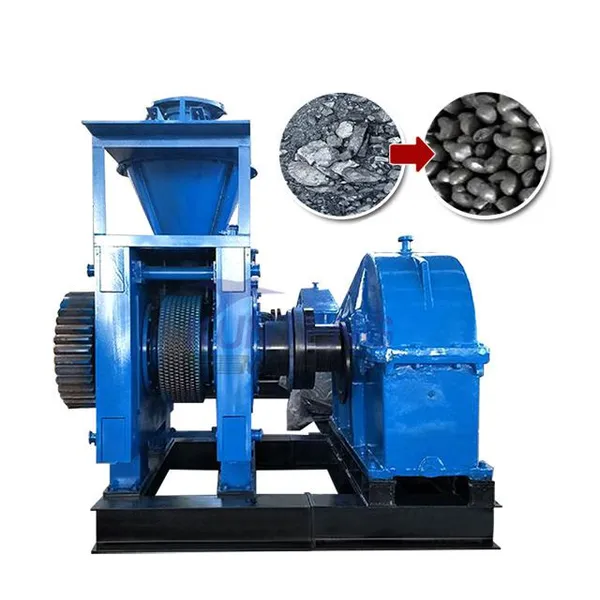
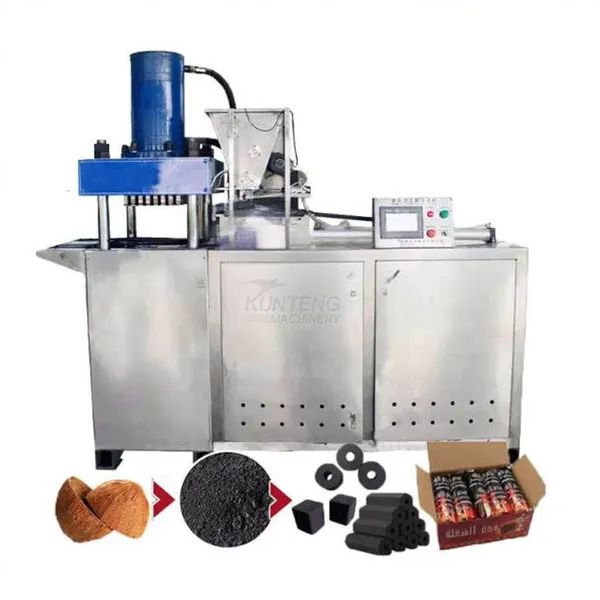
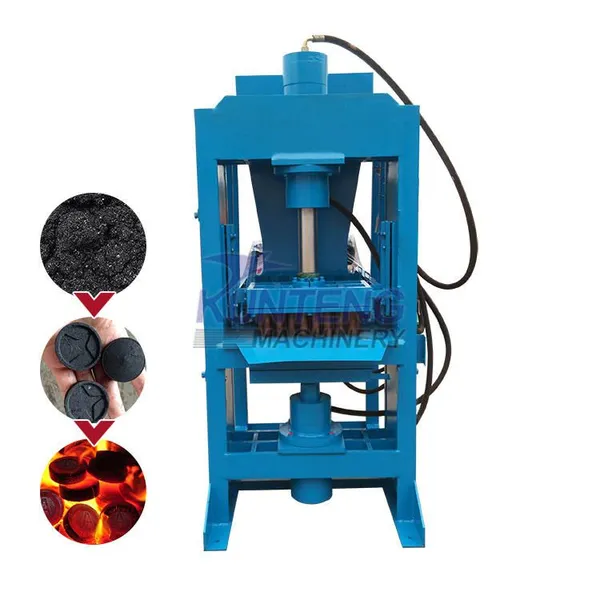
-
Corn Stalk Briquette Making Machine Chicken Manure Biomass Briquetting Extruder Press MachineNegotiableMOQ: 1 Set
-
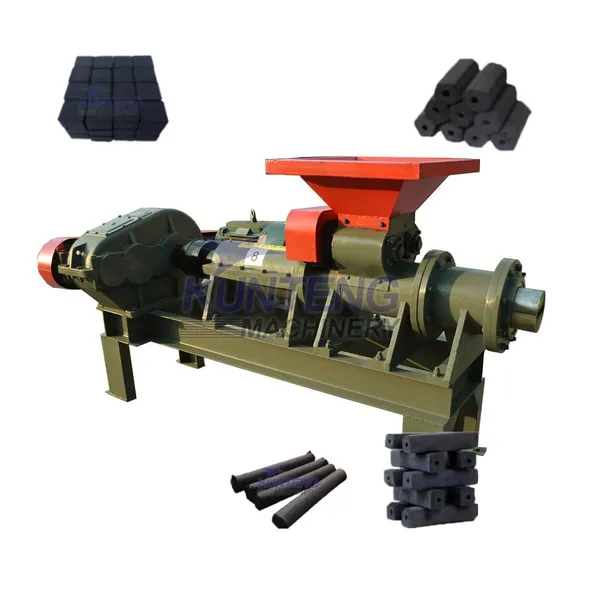
Small Scale Charcoal Briquette Making Machine Compressed Coal Industry Machines Automatic Extruder Production LineNegotiableMOQ: 1 Set
-
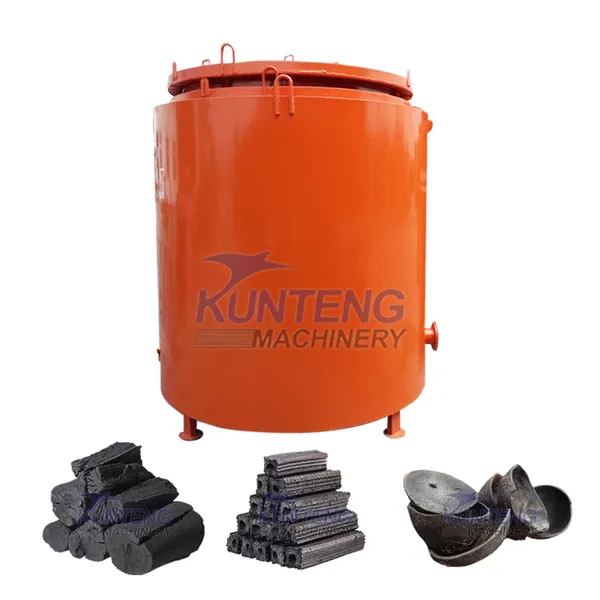
Automatic Eco-Friendly Vertical Hosting Carbonization Furnace Horizontal Sawdust Carbonizer FurnaceNegotiableMOQ: 1 Set
-
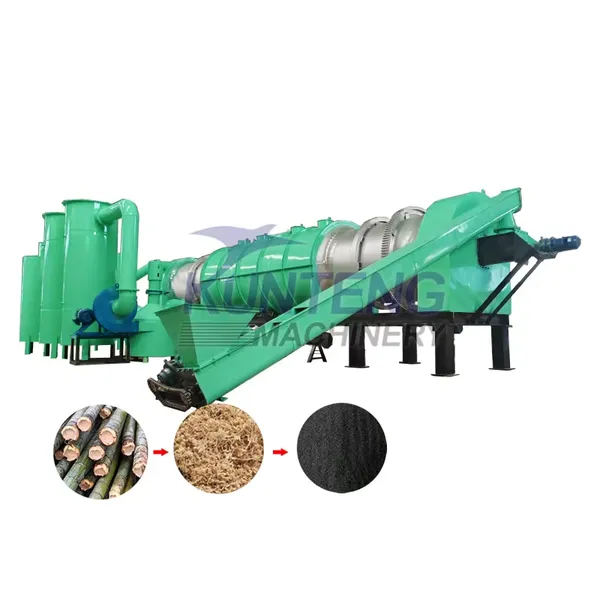
Eco-friendly Charcoal Making Machine Carbonization Furnace Continous Carbonization StoveNegotiableMOQ: 1 Set
-
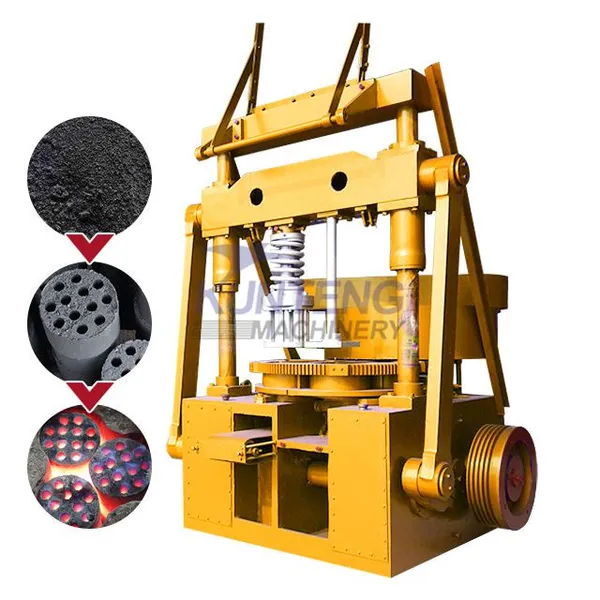
Coal Press Machine Can Customize Honeycomb Coal Forming Machine Commercial Forming MachineNegotiableMOQ: 1 Set
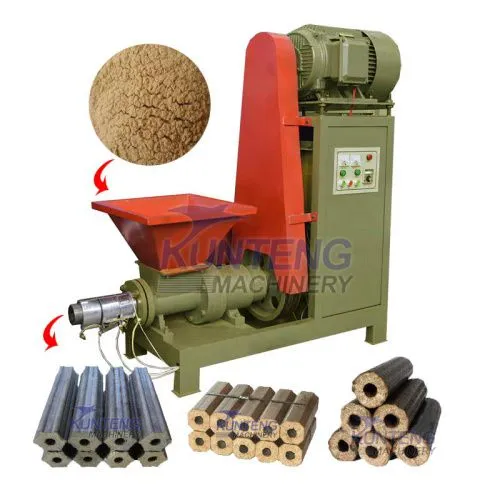
-
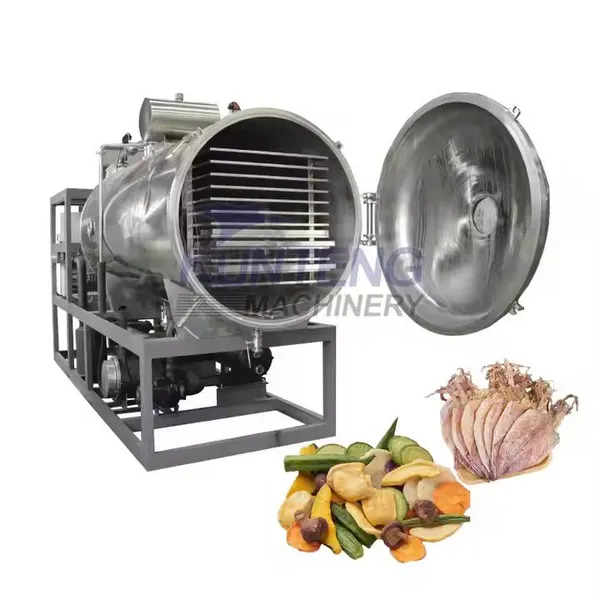
Large Commercial High Productivity Freeze Drier Dryer LyophilizerNegotiableMOQ: 1 Set
-
Monoblock Freezer Blower -18c Cold Storage Cold Room Kits CoolingNegotiableMOQ: 1 Set
-
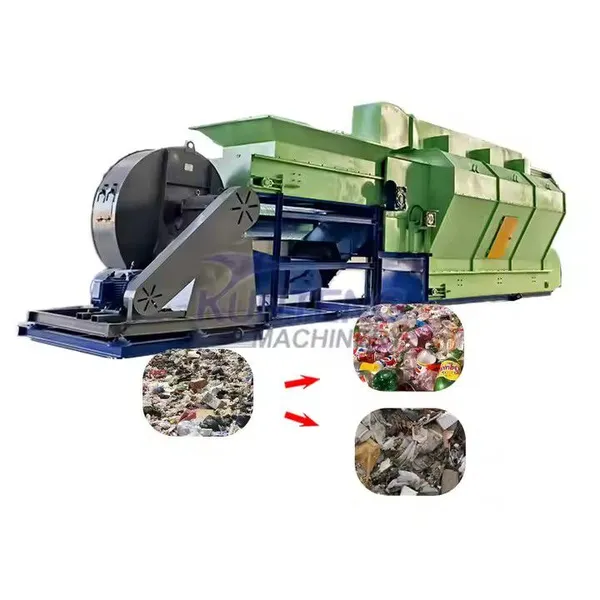
Professional Air Flow Separation Machines Air Separation System for Waste SortingNegotiableMOQ: 1 Set
-
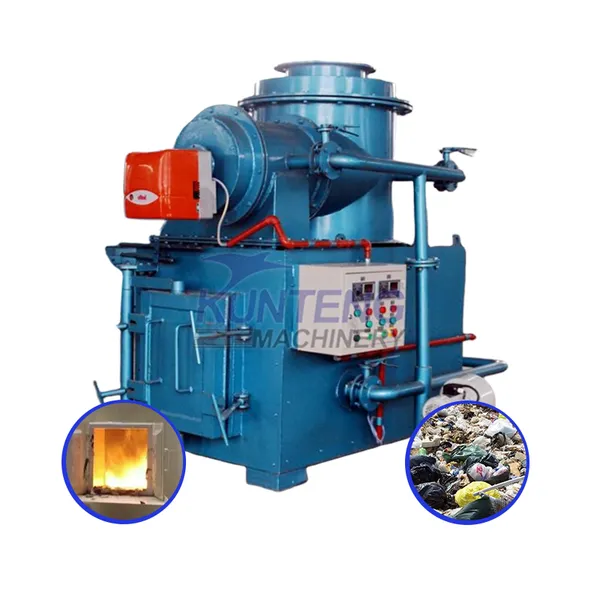
Smokeless Waste Incineration Machine Garbage IncineratorNegotiableMOQ: 1 Set
-
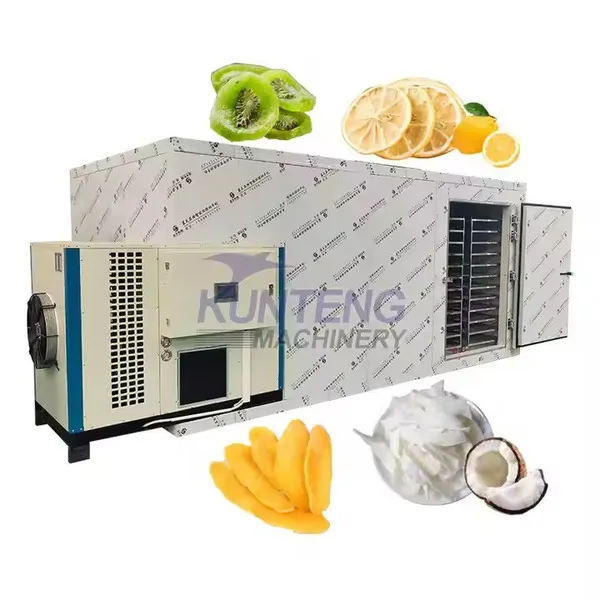
Fruit and Vegetable Drying Processing Machine Grape Raisin Drying Machine Mango Dryer MachineNegotiableMOQ: 1 Set

-
Trommel Screen Machine Construction Waste Sorting EquipmemtsNegotiableMOQ: 1 Set
-
Municipal Solid Waste Converts to RDF Machines Waste Plastic to Fuel Machine Waste Recycling PlantNegotiableMOQ: 1 Set
-
High Capacity Teak Drying Chamber Timber Formwork Dry Machine Wood Drying EquipmentNegotiableMOQ: 1 Set
-
Smart Waste Plastic Crusher and Baler Machine Recycling Machine for Plastic Waste to Make BricksNegotiableMOQ: 1 Set
-
New Design Waste Separation Machine Trommel Screen Machine for Rubbish Garbage Sorting Plant LineNegotiableMOQ: 1 Set