
 Business License
Extruding Biomass Briquettes: Rice Husk Profit Guide
Published on 16 November 2026
Rice husk is one of the most abundant and problematic agricultural residues in Asia-Pacific. It is low in bulk density, high in silica, and often burned in open fields or left to accumulate at milling sites—creating both environmental pressure and a missed revenue stream. For mill owners, processors, and fuel suppliers, the question is no longer whether rice husk can be monetized, but how to do it at a cost that justifies the equipment. Extruding biomass briquettes with a dedicated rice husk waste extruder making machine turns this residue into a densified solid fuel that industrial boilers and thermal users can substitute for coal or woodfuel.
Industry Background: A Market Growing Faster Than Feedstock Systems
The global biomass briquette market was valued at USD 1,030 million in 2025 and is projected to reach approximately USD 1,650 million by 2031, registering a CAGR of 8.15% during the forecast period, according to Ken Research’s 2026–2031 outlook. Asia-Pacific accounted for an estimated 48.9% of 2025 revenue, driven by deep agricultural residue bases and coal-dependent industrial heat demand.-1
Rice husk sits at the center of this growth. The International Rice Research Institute (IRRI) places rice husk calorific value at 14 MJ/kg (range 13–16 MJ/kg), and one kilogram of rice husk briquette can generate heat equivalent to 1.63 kg of woodfuel. Yet the handling side remains inefficient. In Vietnam, open-pile burning is described as the most common mode of rice husk handling, while landfilling and uncontrolled burning are widespread across producing regions. For a rice mill processing even a modest volume, husk disposal represents a recurring operational cost—not an asset.-14-57
The market signal is clear: demand for densified biomass exists, but supply-side conversion must become more feedstock-flexible and less capital-intensive.
How Extruding Biomass Briquettes Solves the Rice Husk Problem
A rice husk waste extruder making machine differs from a conventional pellet mill in ways that matter for rice husk specifically. Pellet mills require finely ground feedstock and tighter moisture windows, which adds pre-grinding energy and drying cost. Extrusion-based briquetting accepts larger particles—up to 15 mm—and higher moisture content, reducing pre-processing complexity. Canadian Biomass Magazine, citing briquetting equipment distributor Wayne Winkler, reports that briquette manufacturing carries lower repair and maintenance costs and faster start-up times compared with pelletizing, largely because die replacement costs a fraction of pellet die costs.-22
For rice husk, extrusion also handles the material’s abrasive silica content without requiring the same degree of size reduction. The practical outcome is a densified cylindrical or rod-shaped briquette with consistent density and burn characteristics, suitable for boiler co-firing, industrial kilns, and thermal applications where coal or firewood is being displaced.
How to Reduce Rice Husk Disposal Costs with a Rice Husk Waste Extruder Making Machine
The transition from disposal cost to fuel revenue follows a sequence. The following steps are drawn from documented briquetting operations and published process designs.
Establish the feedstock baseline. Measure husk generation volume, moisture content, and contamination level. Rice husk moisture for stable extrusion should generally be controlled within a defined range; industry guidance for biomass briquette extrusion places the working moisture window between 12% and 18%, with wear rates accelerating significantly above 20%.-66
Screen and separate before extrusion. Install a magnetic separator and vibrating screen at the feed end to remove stones, metal fragments, and oversized impurities. This single step is identified as one of the most economical ways to extend extruder screw and die life when processing abrasive rice husk.-67
Configure the extruder for the target output. Screw-type extruders for rice husk are available at capacities starting from roughly 500 kg/h, with entry-level screw press costs beginning around USD 5,000 according to project guidance published by GERES. Blending rice husk with a lignin-rich material such as sawdust (for example, 60% rice husk to 40% hardwood sawdust) can improve shell smoothness, reduce ash content, and cut wear-part consumption by up to 50%.-74-76
Plan ash management before signing supply contracts. Rice husk briquettes produce ash, and the disposition of that ash—whether sold, landfilled, or returned to fields—affects the net economics of the operation. GERES explicitly advises discussing ash management and disposal with customers before initiating a supply contract.-76
Run a financial model against local fuel prices. Do not rely on generic payback assumptions. The variables that determine viability are feedstock cost (often near zero for rice mills), electricity cost, labor, die and screw wear rates, and the local selling price of briquettes relative to coal or firewood.
Real Case: Rice Husk Briquetting Economics in Indonesia
A feasibility study of a rice husk and corn cob briquette plant at a Modern Rice Milling Plant (MRMP) operated by BULOG in Bojonegoro, Indonesia, provides a documented economic reference. The planned facility, designed for a capacity of 5 tonnes per day using 8 tonnes per day of available raw material, reported a net present value of Rp29.6 billion, an internal rate of return of 29%, a benefit–cost ratio of 1.56, and a payback period of 36 months. The production cost was estimated at Rp22,338 per unit against a selling price of Rp30,000, targeting a B2B market.-48
A separate compact charcoal briquetting study using carbonized rice husk reported a shorter payback period of eight months with a benefit–cost ratio of 1.5, though that analysis focused on a smaller-scale unit. The variance between the two figures illustrates an important point for buyers: payback period is highly sensitive to scale, feedstock preparation depth, and whether carbonization is included. A rice husk waste extruder making machine configured for direct extrusion without carbonization sits at a different capital and operating point than a carbonized briquette line.-29
FAQ
What is the typical minimum order quantity and lead time for a rice husk waste extruder making machine?
MOQ varies by configuration and supplier. In B2B procurement channels, single-set orders are commonly accepted for standard models, while customized voltage, mold shapes, and capacity configurations may also be available at low MOQs. Lead times for standard units are frequently quoted in the range of 15 days for small quantities, with negotiation required for larger orders. Buyers should confirm whether the quoted lead time includes factory acceptance testing and whether spare screws and dies are stocked for the first production cycle.-38-39
Can the same extruder process both sawdust and rice husk?
Yes, with caveats. Extrusion-based briquetting is more feedstock-flexible than pelletizing, and briquette presses accept a wider variety of materials including wood, agricultural residue, and feedstock mixtures. However, rice husk’s silica content is more abrasive than clean sawdust. A buyer intending to switch between feedstocks should specify this to the manufacturer so that screw material and die clearances are matched to the harder feedstock, not optimized solely for sawdust.-22
How important is moisture control, and what happens if the husk is too wet?
Moisture control is the single most consequential operating variable for extruder wear and briquette quality. When rice husk moisture exceeds the upper working range, the wear rate of the screw and die accelerates markedly; one industry source notes that above 20% moisture, equipment wear speeds up significantly. A dryer may be required in humid harvest seasons, but in many rice-milling settings, the husk is already dry enough after collection and storage to fall within the acceptable window.-66
Next Step
If your operation generates rice husk at a scale that makes disposal a recurring line item, the relevant question is which extruder configuration matches your moisture profile, available floor space, and target briquette specification. Request a configuration review based on your feedstock test data—moisture, bulk density, and contaminant level—rather than a generic machine quotation. That is the difference between a briquette line that runs and a briquette line that pays back.
Recently Posted
-
Animal Dung Pellet Maker: From Waste to Fuel
November 13, 2026Every poultry or dairy operation faces the same quiet arithmetic: the birds and cattle keep producing litter, and the disposal bil Read More
-
Mesh Belt Forage Grass Dryer: Cut Alfalfa Losses
November 12, 2026Every hour that cut alfalfa sits in the field, its most valuable fraction—the leaves—is disappearing. A raking pass alone can stri Read More
-
Coconut Shell Fiber Making Machine: Retting to ROI
November 11, 2026Published on 11 November 2026If your coir operation still depends on pond retting, the bottleneck is not labour or land—it is time Read More
-
Horizontal Carbonization Furnace: B2B Buyer’s Guide
November 10, 2026If you run a charcoal production business, the margin rarely hides in the machine’s sticker price. It hides in fuel bills you pay Read More

Contact Us
Recommended Products
-
 Continuous Heavy Metals Shredder Damaged Cars Crusher HMS Heavy Melting Steel Scrap Wire MS Iron ShredderNegotiableMOQ: 1 Set
-
Large Dustbin for Sorting Table With Scrapshoot Hole Waste Segregation Machine Sorting LineNegotiableMOQ: 1 Set
-
High Productivity Iron Ore Powder Ball Press Machine Mineral Soil Silicon Powder Briquetting MachineNegotiableMOQ: 1 Set
-
Eco-friendly Coconut Shell Charcoal Briquette Making Machine Charcoal Press Machine Bbq Charcoal Production LineNegotiableMOQ: 1 Set
-
Full Automatic Coconut Charcoal Hydraulic Press Machines Sawdust Charcoal Briquette Machines Biomass Charcoal Briquette MachineNegotiableMOQ: 1 Set
-
Corn Stalk Briquette Making Machine Chicken Manure Biomass Briquetting Extruder Press MachineNegotiableMOQ: 1 Set
-
Small Scale Charcoal Briquette Making Machine Compressed Coal Industry Machines Automatic Extruder Production LineNegotiableMOQ: 1 Set
-
Automatic Eco-Friendly Vertical Hosting Carbonization Furnace Horizontal Sawdust Carbonizer FurnaceNegotiableMOQ: 1 Set
-
Eco-friendly Charcoal Making Machine Carbonization Furnace Continous Carbonization StoveNegotiableMOQ: 1 Set
-
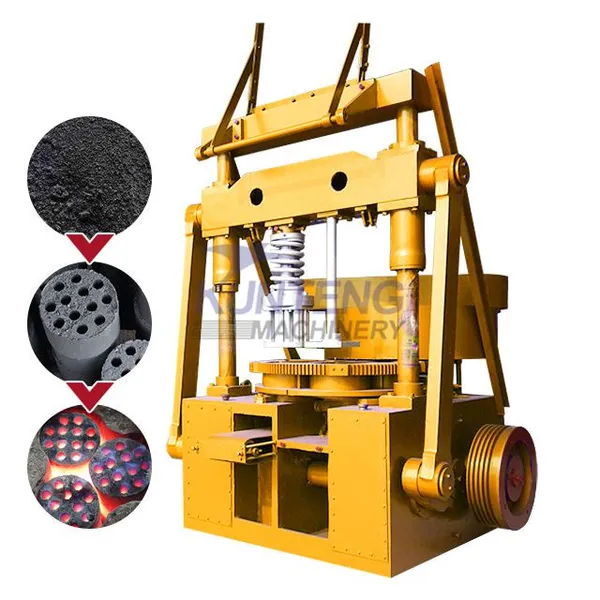
Coal Press Machine Can Customize Honeycomb Coal Forming Machine Commercial Forming MachineNegotiableMOQ: 1 Set
-
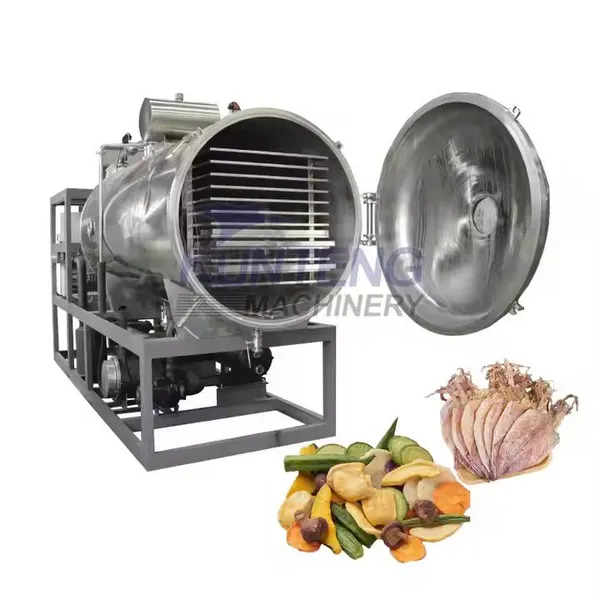
Large Commercial High Productivity Freeze Drier Dryer LyophilizerNegotiableMOQ: 1 Set
-
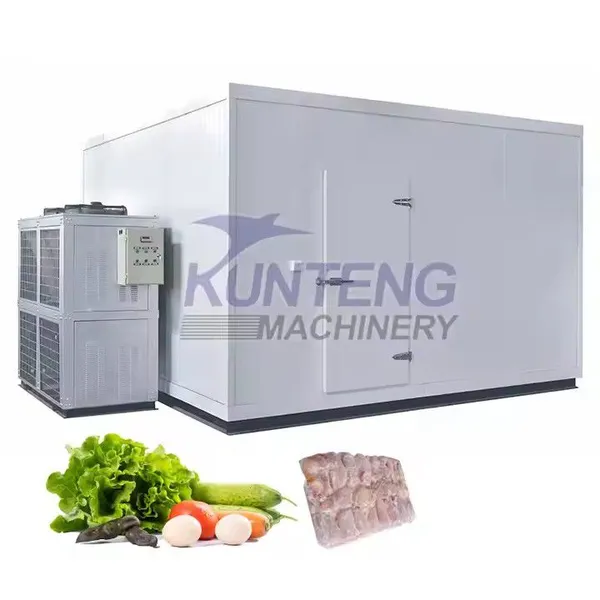
Monoblock Freezer Blower -18c Cold Storage Cold Room Kits CoolingNegotiableMOQ: 1 Set
-
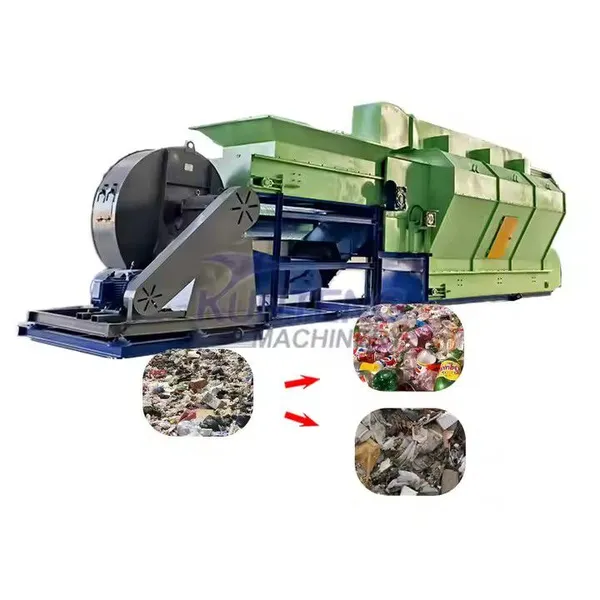
Professional Air Flow Separation Machines Air Separation System for Waste SortingNegotiableMOQ: 1 Set
-
Smokeless Waste Incineration Machine Garbage IncineratorNegotiableMOQ: 1 Set
-
Fruit and Vegetable Drying Processing Machine Grape Raisin Drying Machine Mango Dryer MachineNegotiableMOQ: 1 Set
-
Trommel Screen Machine Construction Waste Sorting EquipmemtsNegotiableMOQ: 1 Set
-
Municipal Solid Waste Converts to RDF Machines Waste Plastic to Fuel Machine Waste Recycling PlantNegotiableMOQ: 1 Set
-
High Capacity Teak Drying Chamber Timber Formwork Dry Machine Wood Drying EquipmentNegotiableMOQ: 1 Set
-
Smart Waste Plastic Crusher and Baler Machine Recycling Machine for Plastic Waste to Make BricksNegotiableMOQ: 1 Set
-
New Design Waste Separation Machine Trommel Screen Machine for Rubbish Garbage Sorting Plant LineNegotiableMOQ: 1 Set