
 Business License

Horizontal Carbonization Furnace: B2B Buyer’s Guide
If you run a charcoal production business, the margin rarely hides in the machine’s sticker price. It hides in fuel bills you pay every shift, in batches that fail quality checks, and in the quiet cost of a furnace that cannot keep pace with your offtake contracts. A horizontal carbonization furnace addresses those three pressure points differently from conventional kilns—and that difference is why the global horizontal carbonization furnace market alone grew from USD 109.54 million in 2025 to USD 120.16 million in 2026, at a projected CAGR of 7.46%. This guide is written for production managers, project owners, and sourcing teams evaluating whether a horizontal system fits their feedstock, output target, and compliance obligations. It covers where the market is heading, how the equipment actually solves cost and consistency problems, a step-by-step operating logic, and the questions B2B buyers ask before issuing a purchase order.-3
Why Charcoal Producers Are Reconsidering Their Furnace Choice
Three forces are reshaping capital decisions in charcoal manufacturing, and none of them is temporary.
The first is feedstock economics. Charcoal margins are acutely sensitive to the cost of external fuel. A horizontal carbonization furnace equipped with a syngas recycling system routes combustible gases produced during pyrolysis back into the heating chamber, cutting fuel costs by up to 70% according to equipment engineering data from Guanma Machinery. For a plant running two shifts, that line item alone can determine whether a contract is profitable.-6
The second is end-market quality pressure. In the shisha charcoal segment, the natural hookah charcoal market was valued at USD 776.9 million in 2025 and is projected to reach USD 1.2 billion by 2035, with coconut-shell briquettes leading adoption because buyers prioritize steady heat, low ash, and minimal odor. A 2025 peer-reviewed study comparing kiln types for bamboo charcoal production found that horizontal kilns produced charcoal with the highest net calorific value and fixed carbon content—the two metrics shisha and barbecue buyers scrutinize most closely. Furnaces that cannot hold a stable temperature curve across the batch struggle to meet those specifications consistently.-3-13-14
The third is regulatory and procurement scrutiny. Importers and lounge chains increasingly request compliance documentation, batch traceability, and emissions-related data before approving a supplier. While pyrolysis regulation remains a moving target across jurisdictions—the U.S. EPA has continued debating how pyrolysis units are classified under the Clean Air Act, and the EU ETS is tightening biomass accounting rules from 2026—the direction is clear: producers that can document controlled carbonization and gas handling have a commercial advantage over those relying on open or poorly sealed kilns.-14-66-
How a Horizontal Carbonization Furnace Solves the Cost and Consistency Problem
A horizontal carbonization furnace is not simply a kiln turned sideways. Its design logic differs in ways that matter to B2B operators.
Larger batch capacity per cycle. Industrial horizontal units typically process 900–3,000 kg per 12–14-hour charge, with continuous configurations capable of 1–5 tons per hour. That throughput profile suits medium-to-large operations supplying distributors or private-label brands, rather than smallholder-scale production.-3
Syngas recovery changes the operating cost structure. Unlike many vertical kilns that vent or flare pyrolysis gases, horizontal furnaces commonly integrate a recovery and purification pipeline. The gas is returned to the heating system, reducing external fuel demand and enabling partially self-powered operation once the system stabilizes. One supplier’s engineering specification reports fuel-cost reduction of up to 70% from this design feature.-3-6
Temperature uniformity supports premium-grade output. Strategically placed refractory materials and controlled airflow produce a more uniform temperature profile across the retort, which is the mechanical basis for consistent fixed carbon and calorific value in the finished charcoal. For a coconut shell shisha charcoal machine application, that consistency translates directly into predictable burn time and ash behavior—the attributes lounge operators use to decide whether to renew a supply contract.-6
Feedstock flexibility across biomass types. A well-configured wood log biomass barbecue charcoal making machine can handle whole logs, branches, coconut shells, bamboo, and palm kernel shells, with loading via trolley systems that reduce manual handling time. For producers sourcing mixed biomass, that flexibility lowers the risk of feedstock bottlenecks.-1
Sealing and safety engineering. Industrial horizontal designs use double-layer structures and high-pressure sealing at junctions to contain syngas and minimize uncontrolled emissions, while high-temperature alloys in critical heating zones extend service life and reduce maintenance frequency.-6
How to Stabilize Output and Cut Fuel Use with a Horizontal Carbonization Furnace
The following sequence reflects the operating logic of industrial horizontal systems. Exact parameters vary by feedstock moisture, target fixed carbon, and model configuration, but the control points remain the same.
Pre-screen and size feedstock to the retort’s handling envelope. Whole coconut shells and wood logs can be loaded directly in many batch horizontal models; sawdust and rice husk require briquetting or a continuous-feed configuration. Inconsistent particle size is a primary cause of uneven carbonization and rejected batches.
Load with the trolley system and verify seal integrity. Horizontal furnaces commonly use trolley-based loading to reduce labor and cycle downtime. Before ignition, confirm door seals and junction clamps are fully engaged—a compromised seal is the most common reason a batch draws excess external fuel.
Establish the carbonization curve and hold it. The furnace should reach the target temperature band and maintain it through the volatile-release phase. PLC-based automation on modern horizontal units enables precise control over carbonization time and temperature, reducing operator-dependent variation between batches.-3
Route syngas back to the burner and monitor flame stability. Once pyrolysis gases begin evolving, the recovery system should sustain combustion without continuous external fuel input. A stable, blue-toned flame at the burner indicates effective gas utilization; erratic flame or pressure drops suggest seal leakage or feedstock moisture outside the acceptable window.
Cool in-furnace and inspect before discharge. Natural in-furnace cooling prevents surface oxidation and cracking. Discharge only after the core temperature has dropped sufficiently to avoid spontaneous re-ignition when exposed to air.
Test fixed carbon, ash, and calorific value on every batch or at a defined frequency. For shisha-grade coconut shell charcoal, a credible supplier specification sits around fixed carbon ≥80%, ash ≤2.5%, and calorific value above 7,000 kcal/kg, with premium grades pushing past 7,300 kcal/kg. Batch testing closes the loop between furnace settings and commercial specifications.-85
What Payback and Performance Look Like in Practice
Because equipment suppliers do not publish audited client financials, the most defensible benchmark comes from production-line cost modeling across the charcoal equipment sector. For sawdust-based charcoal lines using carbonization furnaces, equipment budgets typically fall in the USD 12,000–95,000 range, with payback on machine investment of 12–30 months where feedstock is cheap and local. Shisha charcoal production projects using coconut shell feedstock show the same 12–30-month payback range under favorable local shell sourcing and direct buyer relationships.-46-49
A representative operational pattern reported by horizontal furnace users involves a producer shifting from a conventional kiln to a horizontal unit with gas recycling. The immediate effects are not higher nameplate capacity but lower cost per ton: reduced external fuel purchases, fewer rejected batches from temperature variation, and shorter loading/unloading downtime via trolley systems. One equipment supplier reports clients achieving ROI within 6–12 months in premium charcoal segments, though that shorter window depends on feedstock cost and selling price rather than furnace performance alone. The prudent B2B approach is to model payback against your own shell or log cost, local labor rates, and contracted selling price—not against a supplier’s headline claim.-1
Frequently Asked Questions from B2B Buyers
What is the minimum order quantity for a horizontal carbonization furnace?
Industrial horizontal carbonization furnaces are capital equipment, not consumables. Suppliers commonly quote a minimum order of one set, with customization options for voltage, color, and auxiliary components available at additional cost. Capacity and configuration are specified per project rather than sold as off-the-shelf stock units.-91
What is the typical lead time from order to shipment?
Lead time varies with model, customization scope, and whether the unit is a batch or continuous configuration. Batch horizontal furnaces with standard specifications generally move faster than continuous systems requiring site-specific layout integration. Buyers should request a production schedule tied to the specific retort dimensions and automation level in the quotation, rather than relying on a generic lead-time figure.
Can the furnace be customized for a specific feedstock or end product?
Yes. Horizontal designs are commonly customized for feedstock type—wood logs, coconut shells, bamboo, palm kernel shells—and for target output quality. The critical customization variables are retort dimensions, heating method, gas recovery configuration, and discharge mechanism. A supplier that cannot document prior experience with your specific feedstock in a horizontal configuration warrants additional due diligence.
Next Step: Evaluate Fit Before You Specify
A horizontal carbonization furnace makes the most economic sense when three conditions align: your feedstock is available at stable local cost, your target market demands consistent fixed carbon and low ash, and your volume justifies a 12–30-month capital recovery window. If those conditions describe your project, the next productive step is to define your feedstock moisture range, target batch size, and required finished-charcoal specification—then request a configuration proposal that addresses gas recovery, temperature control, and batch testing protocol. A furnace is only as valuable as the operating discipline behind it; the right specification starts with your numbers, not the machine’s nameplate.
Recently Posted
-
Extruding Biomass Briquettes: Rice Husk Profit Guide
November 16, 2026Published on 16 November 2026Rice husk is one of the most abundant and problematic agricultural residues in Asia-Pacific. It is lo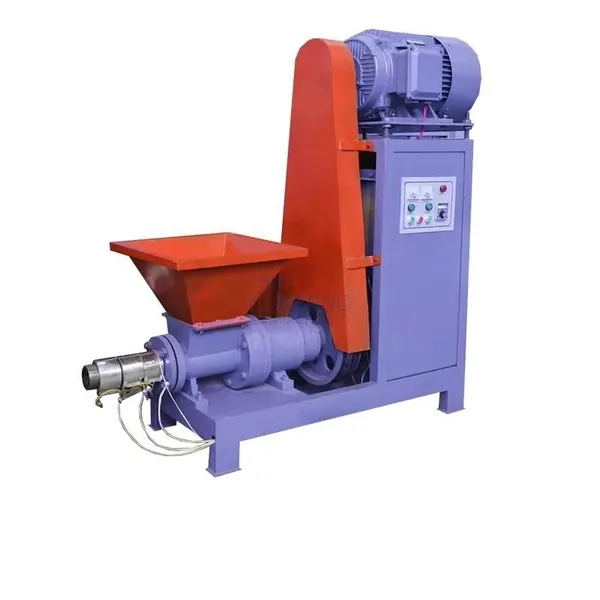 Read More
-
Animal Dung Pellet Maker: From Waste to Fuel
November 13, 2026Every poultry or dairy operation faces the same quiet arithmetic: the birds and cattle keep producing litter, and the disposal bil Read More
-
Mesh Belt Forage Grass Dryer: Cut Alfalfa Losses
November 12, 2026Every hour that cut alfalfa sits in the field, its most valuable fraction—the leaves—is disappearing. A raking pass alone can stri Read More
-
Coconut Shell Fiber Making Machine: Retting to ROI
November 11, 2026Published on 11 November 2026If your coir operation still depends on pond retting, the bottleneck is not labour or land—it is time Read More

Contact Us
Recommended Products
-
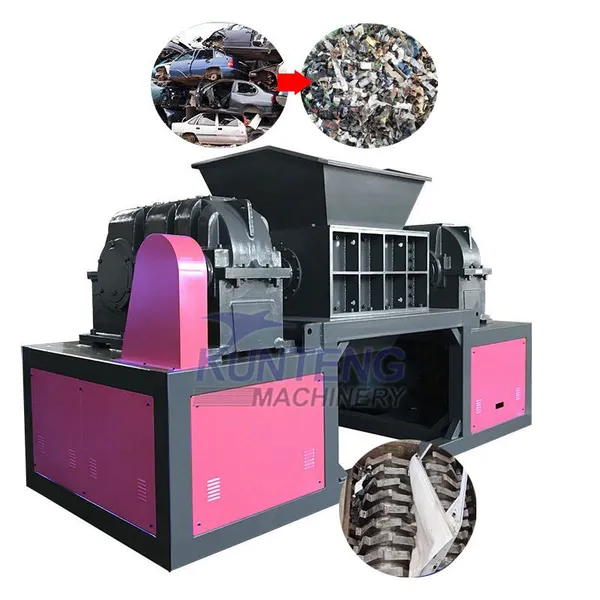
 Continuous Heavy Metals Shredder Damaged Cars Crusher HMS Heavy Melting Steel Scrap Wire MS Iron ShredderNegotiableMOQ: 1 Set
-
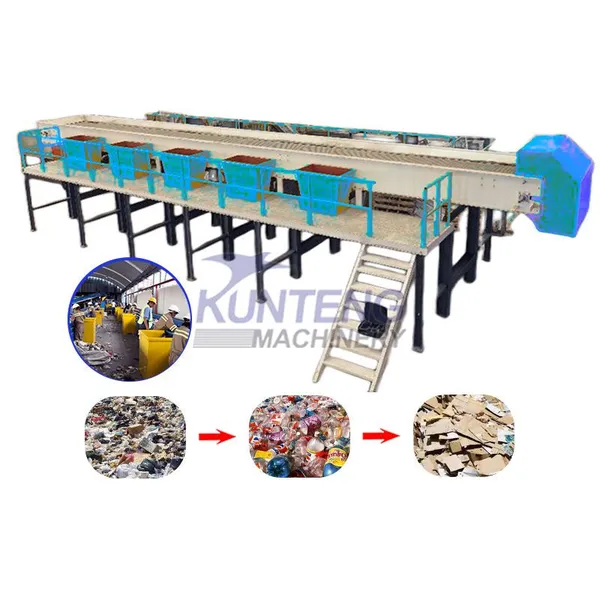
Large Dustbin for Sorting Table With Scrapshoot Hole Waste Segregation Machine Sorting LineNegotiableMOQ: 1 Set
-
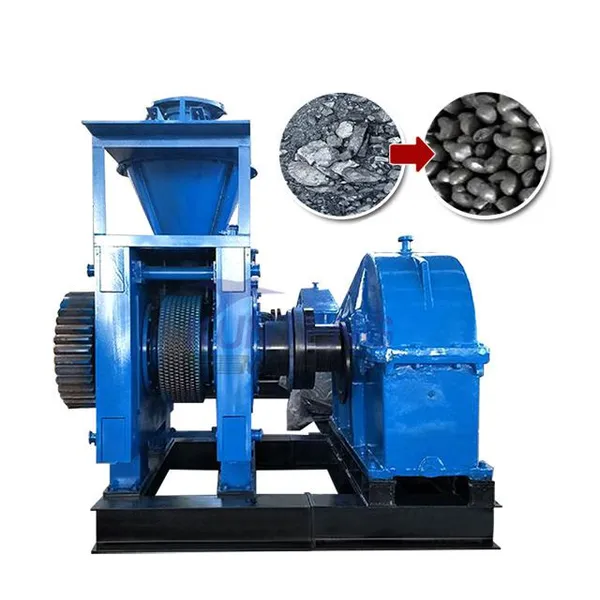
High Productivity Iron Ore Powder Ball Press Machine Mineral Soil Silicon Powder Briquetting MachineNegotiableMOQ: 1 Set
-
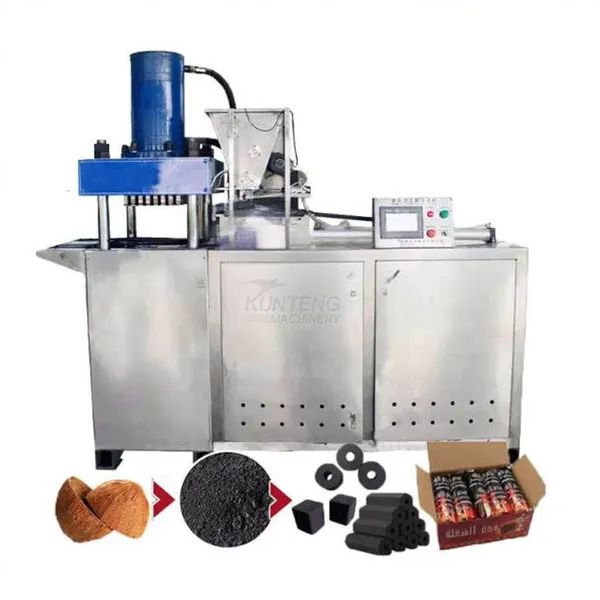
Eco-friendly Coconut Shell Charcoal Briquette Making Machine Charcoal Press Machine Bbq Charcoal Production LineNegotiableMOQ: 1 Set
-
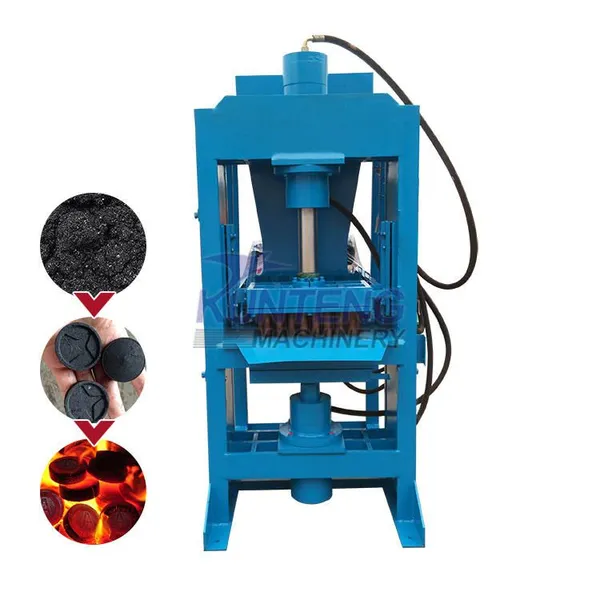
Full Automatic Coconut Charcoal Hydraulic Press Machines Sawdust Charcoal Briquette Machines Biomass Charcoal Briquette MachineNegotiableMOQ: 1 Set
-
Corn Stalk Briquette Making Machine Chicken Manure Biomass Briquetting Extruder Press MachineNegotiableMOQ: 1 Set
-
Small Scale Charcoal Briquette Making Machine Compressed Coal Industry Machines Automatic Extruder Production LineNegotiableMOQ: 1 Set
-
Automatic Eco-Friendly Vertical Hosting Carbonization Furnace Horizontal Sawdust Carbonizer FurnaceNegotiableMOQ: 1 Set
-
Eco-friendly Charcoal Making Machine Carbonization Furnace Continous Carbonization StoveNegotiableMOQ: 1 Set
-
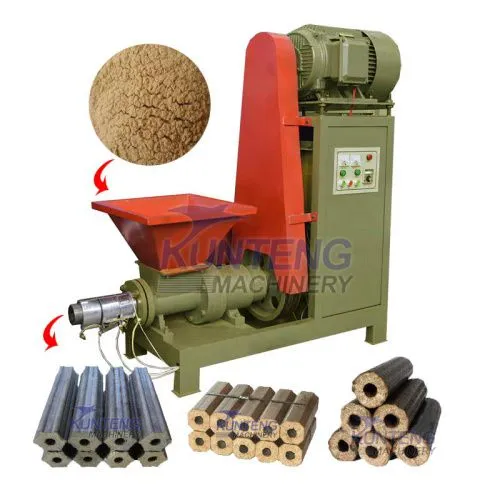
Coal Press Machine Can Customize Honeycomb Coal Forming Machine Commercial Forming MachineNegotiableMOQ: 1 Set
-
Large Commercial High Productivity Freeze Drier Dryer LyophilizerNegotiableMOQ: 1 Set
-
Monoblock Freezer Blower -18c Cold Storage Cold Room Kits CoolingNegotiableMOQ: 1 Set
-
Professional Air Flow Separation Machines Air Separation System for Waste SortingNegotiableMOQ: 1 Set
-
Smokeless Waste Incineration Machine Garbage IncineratorNegotiableMOQ: 1 Set
-
Fruit and Vegetable Drying Processing Machine Grape Raisin Drying Machine Mango Dryer MachineNegotiableMOQ: 1 Set

-
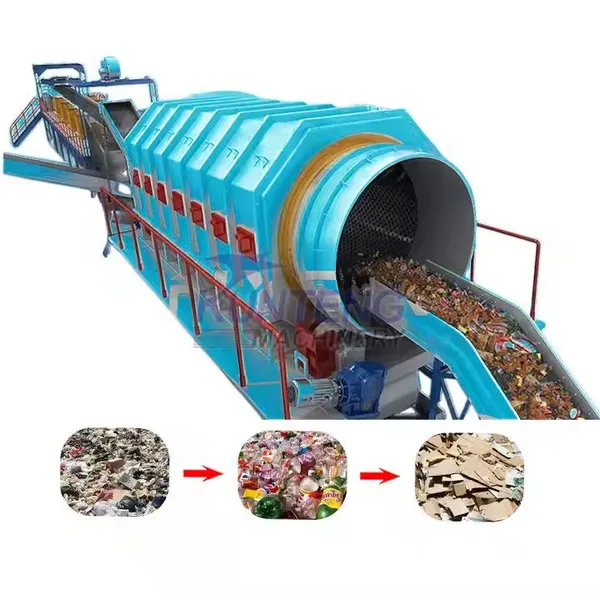
Trommel Screen Machine Construction Waste Sorting EquipmemtsNegotiableMOQ: 1 Set
-
Municipal Solid Waste Converts to RDF Machines Waste Plastic to Fuel Machine Waste Recycling PlantNegotiableMOQ: 1 Set
-
High Capacity Teak Drying Chamber Timber Formwork Dry Machine Wood Drying EquipmentNegotiableMOQ: 1 Set
-
Smart Waste Plastic Crusher and Baler Machine Recycling Machine for Plastic Waste to Make BricksNegotiableMOQ: 1 Set
-
New Design Waste Separation Machine Trommel Screen Machine for Rubbish Garbage Sorting Plant LineNegotiableMOQ: 1 Set