
 Business License
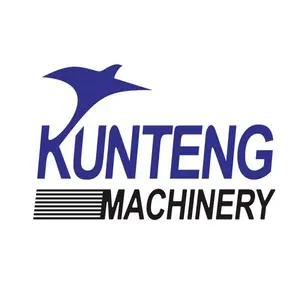
Animal Dung Pellet Maker: From Waste to Fuel
Every poultry or dairy operation faces the same quiet arithmetic: the birds and cattle keep producing litter, and the disposal bill keeps arriving. A 10,000-bird broiler farm generating five cycles per year produces roughly 23 tons of raw manure annually, with haul-away costs alone running $30 to $50 per ton—or $700 to $1,150 per year before any nutrient value is recovered. The question is no longer whether animal waste can become an asset. It is whether your operation has the right animal dung pellet maker to capture that value at a commercially useful scale.
H2: Why Animal Dung Is Moving From Disposal Line to Fuel Line
The market signal is difficult to ignore. Market Research Future values the global biopellet energy market at $3.33 billion in 2025 and projects $9.07 billion by 2035, a 10.54% CAGR across the forecast period, with animal manure explicitly tracked as a feedstock category alongside forestry and agricultural residues. That growth is not speculative demand from a single region. Europe remains the largest consumption bloc, while Asia-Pacific is the fastest-growing import market, and industrial buyers are increasingly asking suppliers to demonstrate transparent feedstock origin and tariff-compliant documentation.
The environmental case reinforces the commercial one. A life-cycle study published in Energy found that pellet heating systems generated approximately 94% less greenhouse gas emissions per gigajoule of heat than coal systems, alongside an energy-saving potential of 1,382 MJ for every 1 GJ of heat produced. For B2B buyers facing carbon reporting requirements or biomass co-firing mandates, dung-derived pellets offer a traceable, non-forest feedstock that fits circular-economy procurement criteria. The FAO’s 2025 review of livestock waste recovery across 135 global cases further notes that government subsidies, incentives, and technical assistance are increasingly underpinning these models, with average payback periods of five to six years for well-structured projects.
H2: How a Dung Pellet Maker Turns Raw Litter Into a Saleable Commodity
A biomass charcoal briquette machine or ring-die pellet mill does not simply compress waste. It changes the physical and economic properties of the material. Raw poultry litter typically carries 60–70% moisture and a bulk density low enough that transport costs erode any residual value. The pelletizing sequence addresses both constraints:
Drying reduces moisture to a stable range (often below 12–15%), preventing microbial activity and enabling consistent combustion.
Grinding normalizes particle size so the die can exert uniform pressure.
Densification—the core function of hydraulic press machines and ring-die systems—forces the material through a die under high pressure, using natural lignin and friction heat as a binder to form dense, durable pellets.
Cooling and screening stabilize the pellet for bagging, bulk transport, or on-site gasification.
The output density matters for B2B buyers because it directly affects freight economics and combustion performance. Research on hydraulic pressing of composted manure has documented target densities above 600 kg/m³, with durability improving when pressure and die geometry are matched to the feedstock. In practical terms, a well-set hydraulic press machine transforms a low-value, high-moisture liability into a uniform fuel or fertilizer pellet that can be sold at $200 to $400 per ton on the organic fertilizer market, or used as a coal substitute in industrial thermal applications.
H2: How to Turn Poultry Litter Into Fuel Pellets: A Step-by-Step Operational Guide
The long-tail question most buyers actually search is not “what is a pellet mill” but “how to turn poultry litter into fuel pellets without clogging the die or producing crumble.” The operational sequence below reflects the parameters that determine whether a dung pellet line reaches rated capacity or becomes a maintenance burden.
Characterize the feedstock before specifying the machine. Test moisture, ash content, and foreign matter (stones, wire, excess bedding). Poultry litter with high rice-husk or wood-shaving content behaves differently from pure cattle manure; the die compression ratio and feeder design must be selected accordingly.
Pre-ferment or compost where pathogen and weed-seed control is required. Fresh cow dung at 60–70% moisture is not directly pelletizable at commercial throughput. A pre-fermentation stage stabilizes the organic matter and reduces biological risk before drying.
Dry to the target moisture window. Over-drying creates friable pellets; under-drying causes die slip and steam pockets. The Kenya 5 T/H cow-dung line commissioned in 2025 controlled final pellet moisture below 12% as a quality gate.
Match die specification to abrasiveness. Animal litter is abrasive. Reinforced ring dies and hardened steel wear parts extend service intervals; forced feeders prevent bridging with fibrous bedding materials.
Run a trial batch and measure durability, not just output. A pellet that survives bagging and bulk handling is the only pellet that generates repeat orders. Bulk density and shatter resistance are the metrics that matter to downstream fuel buyers.
H2: A Real-World Reference: Poultry Litter Pellets at Industrial Scale in Türkiye
The Bolu Güç Birliği (BGB) project in northwestern Türkiye offers a documented benchmark for buyers evaluating dung-based pellet production beyond the farm gate. The region produces roughly one-quarter of Türkiye’s national broiler output, making poultry litter a concentrated environmental and public-health challenge. BGB brought farm owners and local businesses together to convert broiler litter into renewable energy through a gasification plant with 2.6 MWe / 10.8 MWh installed capacity, operating 7,000 hours per year.
The feedstock chain is the relevant lesson for equipment buyers. UNIDO supported the plant in producing higher-quality fuel pellets from poultry litter, upgrading the energy value of the feedstock and creating a structured supply chain. The plant utilizes approximately 20,000 tonnes of poultry litter per year and has signed feedstock supply agreements with 57 broiler farms in the region, most within 5 km of the facility. The project also produces 2,700 tonnes per year of biochar as a co-product, sold as an organic soil amendment—a second revenue stream that improves project economics beyond pellet sales alone.
For a buyer comparing biomass charcoal briquette machine configurations or hydraulic press machines for a cooperative or commercial project, the BGB case demonstrates that the machine is only one node in a viable system. Feedstock aggregation radius, drying capacity, offtake agreements, and co-product valorization determine whether the pellet line runs at margin or at a loss.
H2: FAQ: What B2B Buyers Ask Before Specifying a Dung Pellet Line
What is the minimum order quantity for a commercial animal dung pellet maker?
Configuration depends on feedstock and target output, not a single universal MOQ. Small to mid-scale ring-die systems for farm-cooperative use typically start at 1–2 ton/hour capacity, while industrial lines for pellet trading or gasification feedstock are specified from 5 ton/hour upward. The Kenya cow-dung organic fertilizer line completed in 2025 was designed at a nominal 5 T/H.
Can the same machine process poultry litter and cattle manure, or is a separate hydraulic press required?
The densification principle is shared, but die specification, feeder design, and pre-treatment differ because poultry litter is more abrasive and often drier than fresh cattle manure. A hydraulic press machine platform can be configured for multiple feedstocks, but the die and conditioning sections should be selected per material rather than assumed interchangeable.
What lead time should a project planner expect from specification to commissioning?
Mechanical installation for a 5 T/H cow-dung pellet line in western Kenya was completed in five weeks, followed by electrical wiring, control-system configuration, and operator training focused on fermentation management, moisture control, and pellet-press maintenance. Larger industrial lines with gasification or co-firing integration require additional engineering and permitting time beyond the pellet equipment itself.
Does government policy support dung pellet projects?
Yes, in a growing number of markets. India’s SAMARTH Mission mandates 5–7% biomass pellet co-firing in thermal power plants and provides financial incentives for pellet and torrefaction infrastructure, while the FAO’s 2025 review documents subsidy and technical-assistance mechanisms across Latin America, Sub-Saharan Africa, and South Asia. Policy support is not uniform, but where it exists it materially improves project payback.
H2: Next Step: Specify the Machine Against Your Feedstock, Not a Generic Catalog
The difference between a dung pellet operation that covers its disposal costs and one that generates a second income line comes down to feedstock-specific engineering: die compression ratio, drying capacity, and the durability of the press under abrasive animal litter. If your operation is producing poultry litter, cattle manure, or a mixed livestock waste stream and you are evaluating a biomass charcoal briquette machine or hydraulic press machine configuration, the productive next step is a feedstock assessment—moisture, ash, bedding content, and target pellet use—rather than a request for a standard price list. That assessment is what allows a supplier to recommend a die, a dryer, and a press specification that will still be running at rated output after the first season.
Recently Posted
-
Extruding Biomass Briquettes: Rice Husk Profit Guide
November 16, 2026Published on 16 November 2026Rice husk is one of the most abundant and problematic agricultural residues in Asia-Pacific. It is lo Read More
-
Mesh Belt Forage Grass Dryer: Cut Alfalfa Losses
November 12, 2026Every hour that cut alfalfa sits in the field, its most valuable fraction—the leaves—is disappearing. A raking pass alone can stri Read More
-
Coconut Shell Fiber Making Machine: Retting to ROI
November 11, 2026Published on 11 November 2026If your coir operation still depends on pond retting, the bottleneck is not labour or land—it is time Read More
-
Horizontal Carbonization Furnace: B2B Buyer’s Guide
November 10, 2026If you run a charcoal production business, the margin rarely hides in the machine’s sticker price. It hides in fuel bills you pay Read More

Contact Us
Recommended Products
-
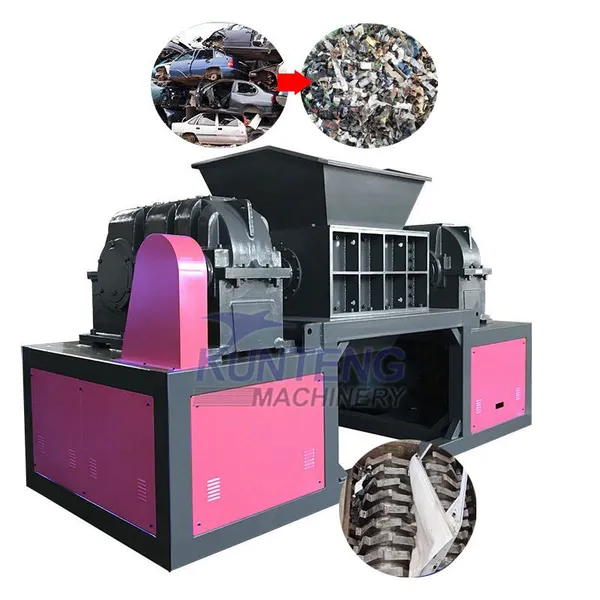
 Continuous Heavy Metals Shredder Damaged Cars Crusher HMS Heavy Melting Steel Scrap Wire MS Iron ShredderNegotiableMOQ: 1 Set
-
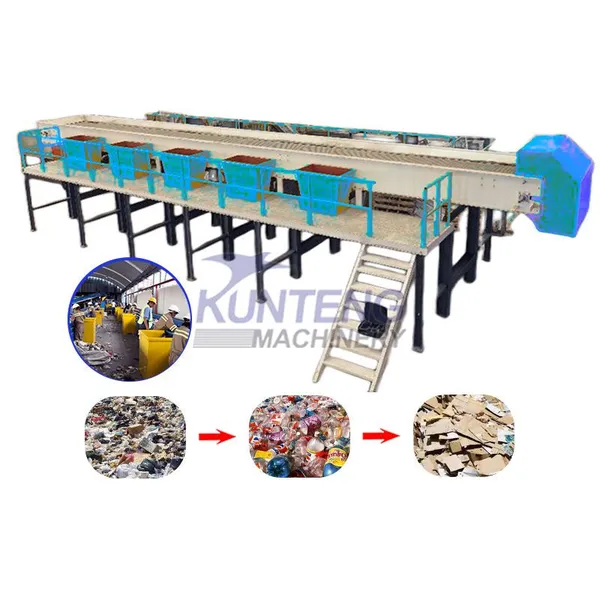
Large Dustbin for Sorting Table With Scrapshoot Hole Waste Segregation Machine Sorting LineNegotiableMOQ: 1 Set
-
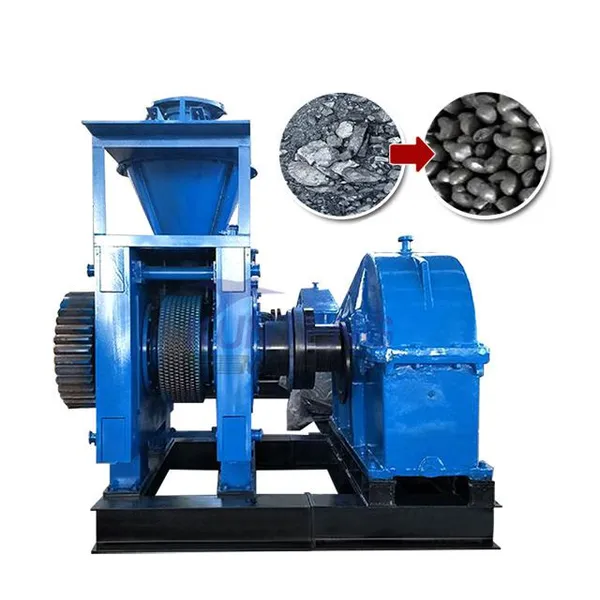
High Productivity Iron Ore Powder Ball Press Machine Mineral Soil Silicon Powder Briquetting MachineNegotiableMOQ: 1 Set
-
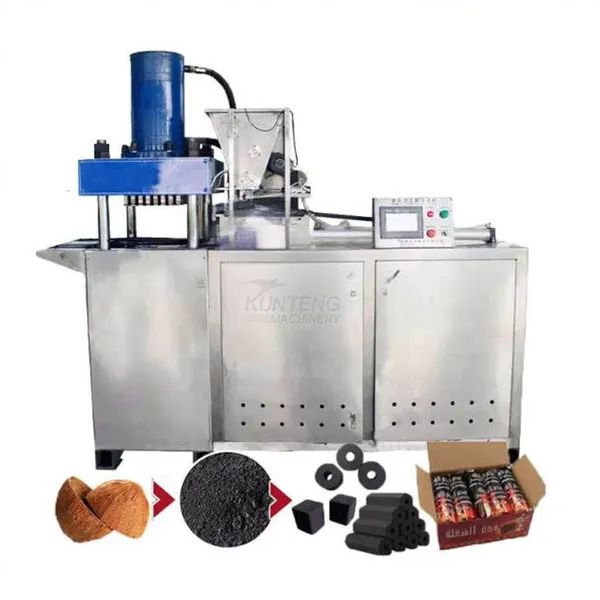
Eco-friendly Coconut Shell Charcoal Briquette Making Machine Charcoal Press Machine Bbq Charcoal Production LineNegotiableMOQ: 1 Set
-
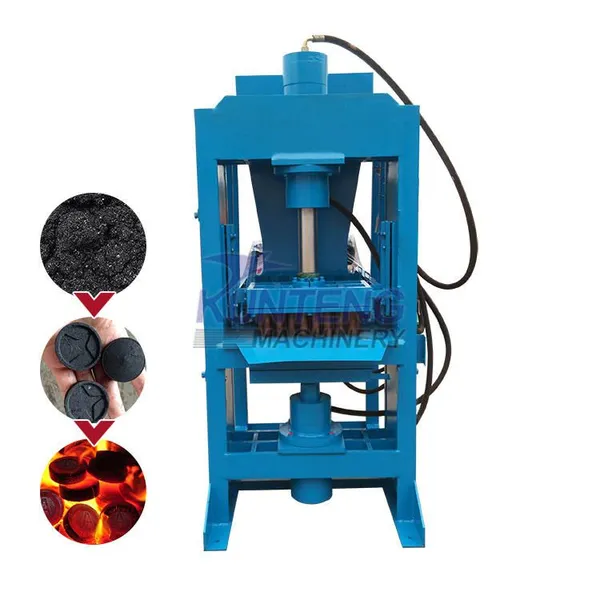
Full Automatic Coconut Charcoal Hydraulic Press Machines Sawdust Charcoal Briquette Machines Biomass Charcoal Briquette MachineNegotiableMOQ: 1 Set
-
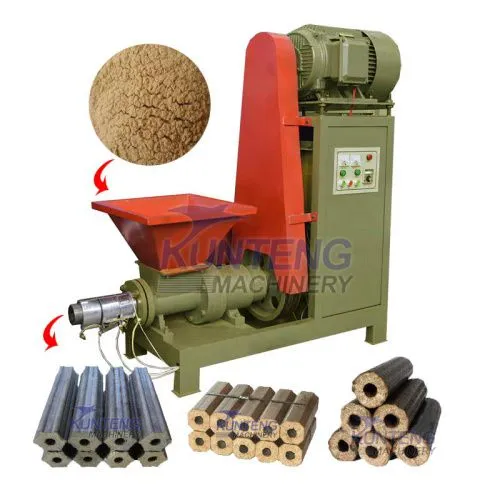
Corn Stalk Briquette Making Machine Chicken Manure Biomass Briquetting Extruder Press MachineNegotiableMOQ: 1 Set
-
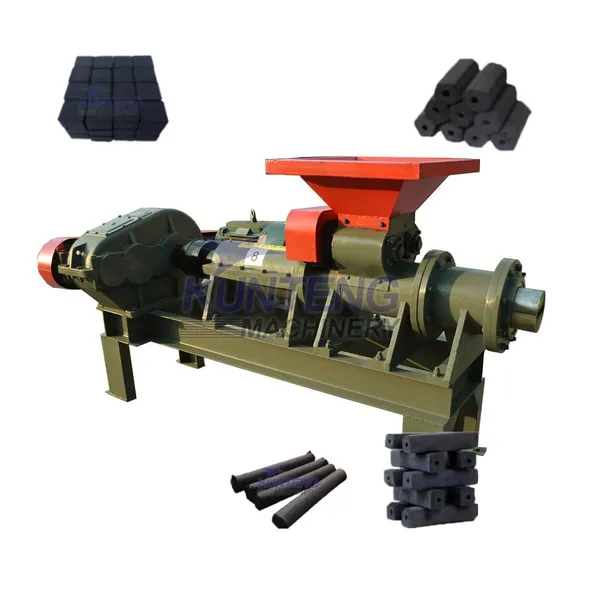
Small Scale Charcoal Briquette Making Machine Compressed Coal Industry Machines Automatic Extruder Production LineNegotiableMOQ: 1 Set
-
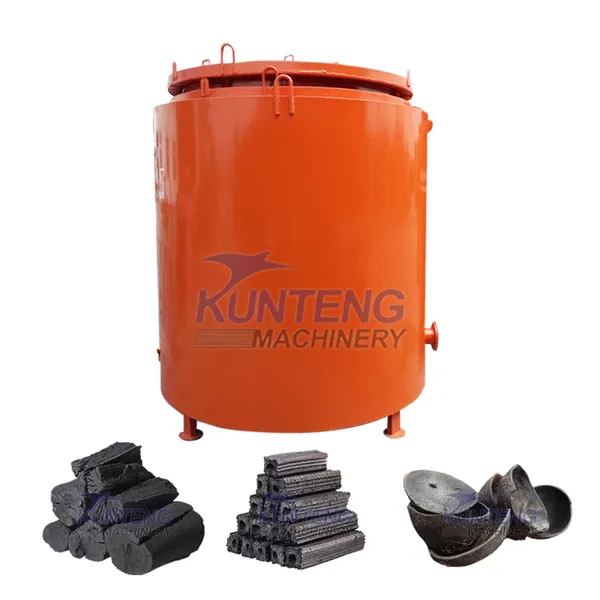
Automatic Eco-Friendly Vertical Hosting Carbonization Furnace Horizontal Sawdust Carbonizer FurnaceNegotiableMOQ: 1 Set
-
Eco-friendly Charcoal Making Machine Carbonization Furnace Continous Carbonization StoveNegotiableMOQ: 1 Set
-
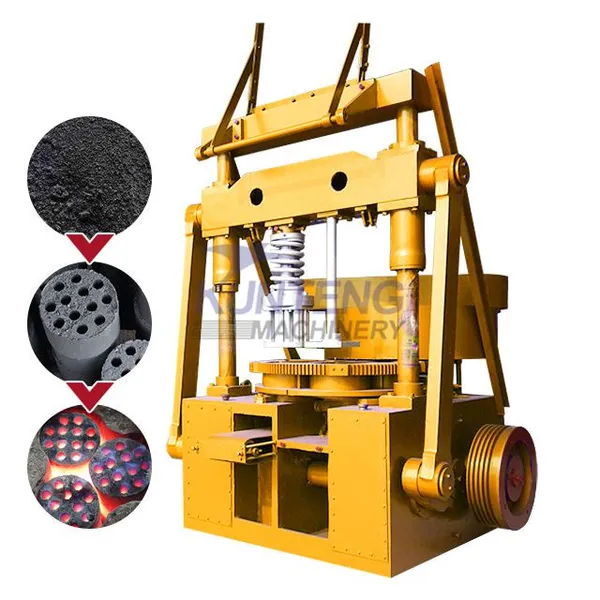
Coal Press Machine Can Customize Honeycomb Coal Forming Machine Commercial Forming MachineNegotiableMOQ: 1 Set
-
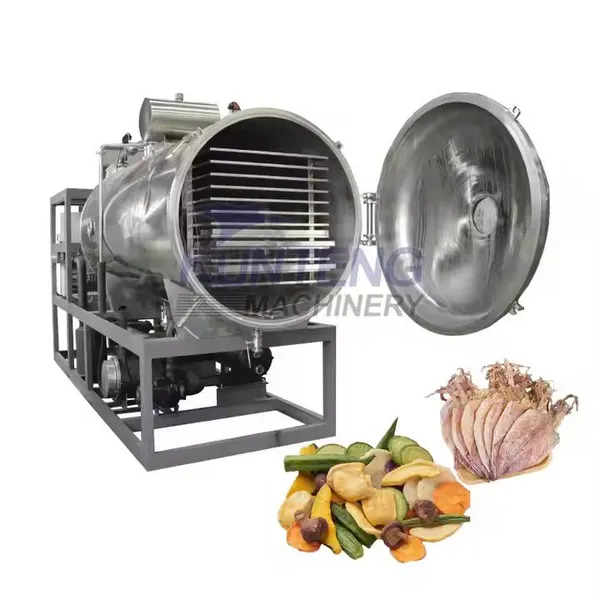
Large Commercial High Productivity Freeze Drier Dryer LyophilizerNegotiableMOQ: 1 Set
-
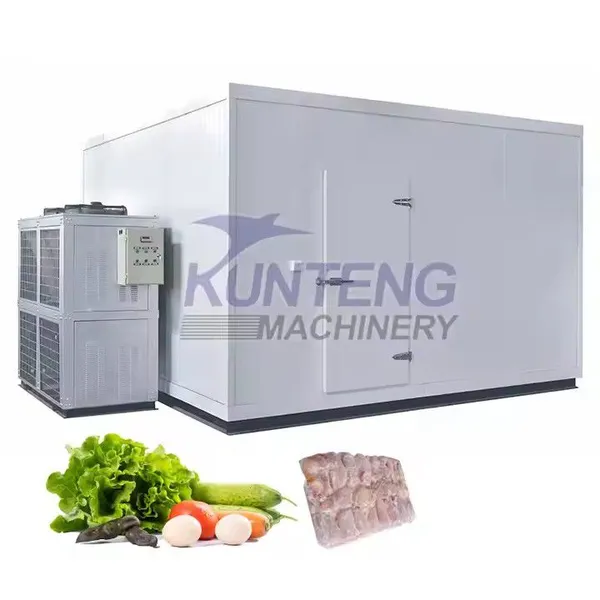
Monoblock Freezer Blower -18c Cold Storage Cold Room Kits CoolingNegotiableMOQ: 1 Set
-
Professional Air Flow Separation Machines Air Separation System for Waste SortingNegotiableMOQ: 1 Set
-
Smokeless Waste Incineration Machine Garbage IncineratorNegotiableMOQ: 1 Set
-
Fruit and Vegetable Drying Processing Machine Grape Raisin Drying Machine Mango Dryer MachineNegotiableMOQ: 1 Set
-
Trommel Screen Machine Construction Waste Sorting EquipmemtsNegotiableMOQ: 1 Set
-
Municipal Solid Waste Converts to RDF Machines Waste Plastic to Fuel Machine Waste Recycling PlantNegotiableMOQ: 1 Set
-
High Capacity Teak Drying Chamber Timber Formwork Dry Machine Wood Drying EquipmentNegotiableMOQ: 1 Set
-
Smart Waste Plastic Crusher and Baler Machine Recycling Machine for Plastic Waste to Make BricksNegotiableMOQ: 1 Set
-
New Design Waste Separation Machine Trommel Screen Machine for Rubbish Garbage Sorting Plant LineNegotiableMOQ: 1 Set