
 Business License
Coconut Shell Fiber Making Machine: Retting to ROI
Published on 11 November 2026
If your coir operation still depends on pond retting, the bottleneck is not labour or land—it is time. Traditional coconut husk retting takes three to six months in brackish ponds and backwaters, and it loads surface waters with biochemical oxygen demand and phenolic compounds that create anoxic conditions. For B2B buyers sourcing coir fibre at export scale, that timeline is incompatible with tightening delivery schedules and tightening environmental rules. This guide examines how a coconut shell fiber making machine—specifically a mechanical coconut defibering machine—compresses extraction from months to hours, and how to evaluate one against the real economics of a coir line.
H2: Why the Coir Fibre Supply Chain Is Under Pressure
The demand side of coir is expanding faster than traditional extraction can serve. Maia Research projects the global coconut fibre market at USD 460.78 million in 2025, reaching USD 881.09 million by 2033 at a CAGR of 8.44%. A separate IMARC Group assessment places 2025 at USD 413.7 million and forecasts USD 631.6 million by 2034, a 4.67% CAGR—different base years, but the same directional signal: coir demand is structurally rising.
The regulatory driver is equally concrete. Several European markets, including the United Kingdom, Ireland and Norway, target a complete phase-out of professional horticultural peat by 2030, and coir has emerged as the fastest-growing material segment in soilless growing media as a direct consequence. Commercial greenhouse operators are already switching, with volume demand for coir substrates expanding at an estimated 6–8% annually.
On the supply side, the traditional model cannot scale at that pace without cost. Retting is “labourious and time-consuming,” highly polluting of surface waters, and generates large pith dumps that become a secondary waste burden. The environmental critique is not anecdotal: field studies in Kerala’s retting backwaters recorded dissolved oxygen as low as 1.52 mg/L, a level incompatible with most aquatic life.
H2: What a Coconut Defibering Machine Changes—and What It Does Not
A coconut fiber machine does not eliminate every environmental trade-off. Peer-reviewed lifecycle work notes that mechanized coir processing reduces dependence on water bodies but introduces energy intensity and occupational dust exposure. That is an honest starting point for a capital decision. What the machine changes is the rate-limiting step.
The operational shift, stated plainly
Retting time collapses. Mechanical processing can handle husks after five days of immersion in water tanks, compared with three to six months of pond retting. Central Coir Research Institute (CCRI) work cited in Indian coir research describes a process that once took six to ten months now completing in 72 hours with pre-treatment.
Throughput becomes measurable and plannable. UNIDO technical documentation for a single-drum coconut husk defibering machine specifies a capacity of 300 whole husks per hour, with drum and conveyor motors of 2 HP (1.5 kW) each. A double-drum configuration raises capacity to 600 whole husks per hour, with each drum driven by a 3 HP (2.3 kW) motor. A matched equipment set—crusher, double-drum defibering machine and mattress carding unit—is rated at 4,000–6,000 whole husks per 8-hour shift.
Pith separation becomes a design variable, not a disposal afterthought. The combing drum separates bristle fibre from the mattress fibre and pith fraction; the mattress fibre mixed with pith falls below the drum, and downstream carding removes residual pith before baling. In a wet-milling layout, that pith stream is not “waste” if the line is designed to capture it as a coir pith product.
Where buyers misjudge the investment
A coconut shell fiber making machine is one stage in a sequence: husk crushing/softening → defibering → pith separation/carding → drying → baling. Piecemeal procurement often produces mismatched capacity—a fast peeler feeding a slow chopper, or vice versa—and incompatible inlet/outlet heights that require costly modification. A medium-scale economic comparison of a 10,000-shell/day line found that an integrated high-efficiency configuration reduced operators from 6–8 to 3–4, cut annual operating costs by 25–35%, and shortened payback from 2–3 years to 1–1.5 years relative to a traditional multi-unit setup. Those figures are from an equipment supplier’s analysis and should be validated against local labour and electricity rates, but the structural logic—line-level optimization beats component-level optimization—holds across geographies.
H2: How to Eliminate the Retting Bottleneck with a Coconut Defibering Machine
The long-tail operational question is not “which machine is cheapest,” but how to eliminate the retting bottleneck without sacrificing fibre grade. The sequence below follows the wet-milling/defibering route documented in UNIDO and FAO technical references.
Grade the husk input before the machine sees it. Separate mature dry husks from green husks. Retting duration and fibre quality differ by husk maturity; mixing them produces inconsistent bristle-to-mattress ratios and complicates downstream drying.
Shorten, do not skip, the soak. Mechanical defibering still benefits from controlled immersion—five days in tanks for defibering-grade husk is the documented threshold, not a multi-month pond soak. Use tanks or lined basins rather than open backwaters to contain BOD loading.
Crush first, then defibre. Fluted rollers open the husk segments before the combing drum. Skipping the crusher overloads the defibering drum and shortens spike life.
Match drum configuration to target fibre. Single-drum machines at 300 husks/hour suit bristle-focused output; double-drum at 600 husks/hour is appropriate when mattress fibre volume justifies the additional 3 HP drum and conveyor motors.
Treat pith separation as a yield line, not a waste line. Route the under-drum pith/mattress mix to a carding/cleaning unit. UNIDO documentation specifies a 1 HP carding drum at 650 rpm with a 2 HP dust-removal motor, handling 100–150 kg mattress fibre per hour. Captured pith can be diverted to coir pith products rather than dumped.
Dry and bale to density, not to “dry enough.” Loose coir at 60–120 kg/m³ ships mostly air. Mechanical baling to 450–550 kg/m³ changes container utilization from roughly 8 tons to 20 tons per container and cuts per-ton shipping cost by approximately half. The defibering stage determines fibre quality; the baling stage determines whether that quality arrives at the buyer profitably.
H2: A Real-World Signal: What Mechanical Processing Delivers Downstream
Direct public case studies on defibering machines alone are scarce, but adjacent mechanical-stage evidence from export operations is instructive. LankaCoir Exports, a Sri Lankan processor handling roughly 800 tons of coconut fibre annually, invested USD 18,500 in a coir-specific baling system after operating with loose-fibre logistics. The measured result: monthly savings of USD 13,440 and complete ROI in 1.4 months, driven by warehouse space reduction of 80%, container count per 20-ton order falling from three to one, and material loss dropping from 8% to 1.5%.
The lesson for a coconut fiber machine buyer is not that a defibering machine pays back in six weeks—it does not, at typical capital costs. The lesson is that mechanical intervention at any stage in the coir line produces measurable, bankable savings when the equipment is specified against the actual physical properties of coir: low bulk density, high spring-back, and abrasive natural oils. A defibering machine specified without accounting for those properties—blade geometry, drum speed, dust containment—will underperform its rated capacity.
H2: FAQ for B2B Buyers
What is the minimum order quantity for a coconut defibering machine?
Industry listings for comparable coir extraction equipment commonly show a minimum order quantity of 1 set, with customization options such as voltage, logo and packaging available from 1 set upward. Capacity, not MOQ, is usually the binding constraint: single-drum units at 300 husks/hour and double-drum units at 600 husks/hour serve different throughput targets.
What lead time should be planned for?
Lead times vary by configuration. Public supplier listings for coconut defibering and extraction equipment range from approximately 7–10 working days for single units to 20–30 days for larger or customized lines. Buyers should add ocean freight and inland transport to the production lead time, and should request a factory acceptance test before shipment for multi-unit orders.
Can the machine be customized for local voltage and fibre grade?
Voltage customization is standard across coir machinery suppliers; listings explicitly state that voltage can be customized, and many export-oriented units are configured for 380V/50Hz three-phase with alternatives available. Drum configuration is the more consequential customization: single-drum and double-drum defibering machines are separate specifications, not field-convertible options.
H2: Next Step: Specify the Machine Against Your Line, Not a Catalogue
A coconut defibering machine is the stage that determines whether a coir operation remains a seasonal, pond-dependent cottage activity or becomes a schedule-driven export business. The data points are unambiguous: retting time drops from months to days, husk throughput becomes a calculable input, and downstream baling economics become visible. What the data also show is that machine performance is line-dependent—capacity matching, pith routing, and drying integration determine whether the defibering unit reaches its rated output.
Before requesting a quotation, define three numbers: daily whole-husk availability, target split between bristle and mattress fibre, and the moisture/density specification your buyer requires at the port. Those three inputs translate directly into drum configuration, motor sizing, and the downstream stages that must accompany the machine. A supplier who quotes a defibering machine without asking for them is selling a component, not a production outcome.
Recently Posted
-
Extruding Biomass Briquettes: Rice Husk Profit Guide
November 16, 2026Published on 16 November 2026Rice husk is one of the most abundant and problematic agricultural residues in Asia-Pacific. It is lo Read More
-
Animal Dung Pellet Maker: From Waste to Fuel
November 13, 2026Every poultry or dairy operation faces the same quiet arithmetic: the birds and cattle keep producing litter, and the disposal bil Read More
-
Mesh Belt Forage Grass Dryer: Cut Alfalfa Losses
November 12, 2026Every hour that cut alfalfa sits in the field, its most valuable fraction—the leaves—is disappearing. A raking pass alone can stri Read More
-
Horizontal Carbonization Furnace: B2B Buyer’s Guide
November 10, 2026If you run a charcoal production business, the margin rarely hides in the machine’s sticker price. It hides in fuel bills you pay Read More

Contact Us
Recommended Products
-
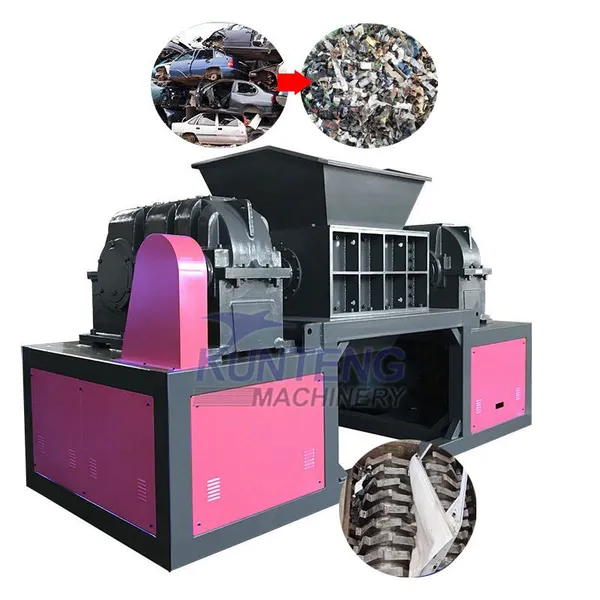
 Continuous Heavy Metals Shredder Damaged Cars Crusher HMS Heavy Melting Steel Scrap Wire MS Iron ShredderNegotiableMOQ: 1 Set
-
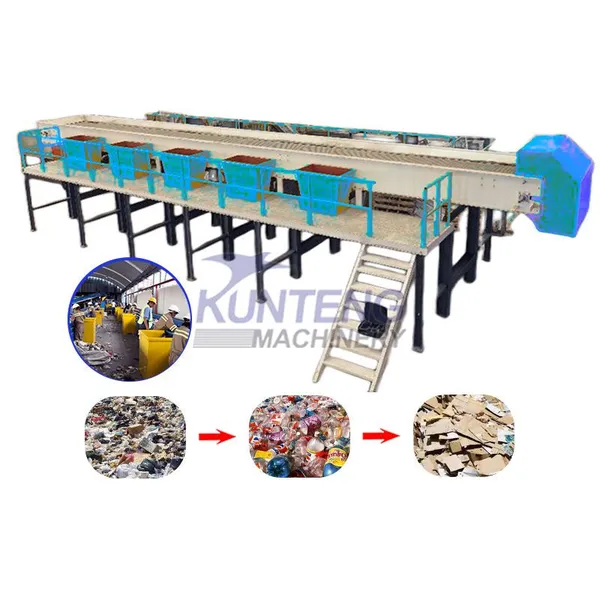
Large Dustbin for Sorting Table With Scrapshoot Hole Waste Segregation Machine Sorting LineNegotiableMOQ: 1 Set
-
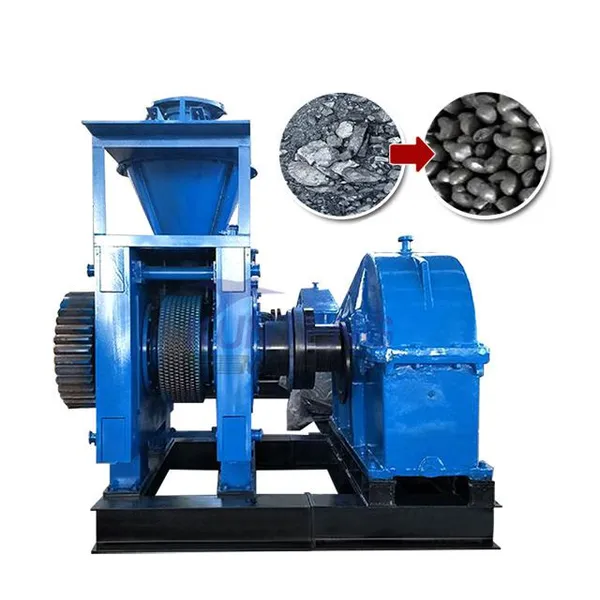
High Productivity Iron Ore Powder Ball Press Machine Mineral Soil Silicon Powder Briquetting MachineNegotiableMOQ: 1 Set
-
Eco-friendly Coconut Shell Charcoal Briquette Making Machine Charcoal Press Machine Bbq Charcoal Production LineNegotiableMOQ: 1 Set
-
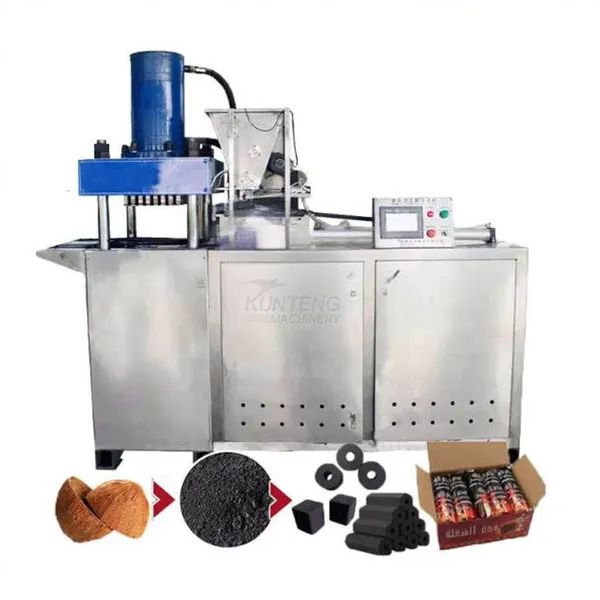
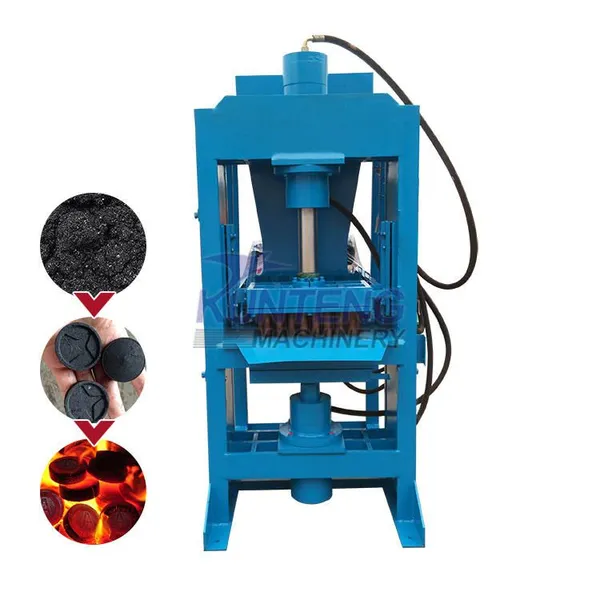
Full Automatic Coconut Charcoal Hydraulic Press Machines Sawdust Charcoal Briquette Machines Biomass Charcoal Briquette MachineNegotiableMOQ: 1 Set
-
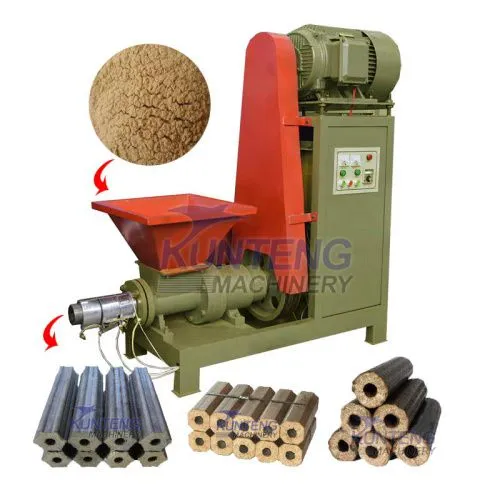
Corn Stalk Briquette Making Machine Chicken Manure Biomass Briquetting Extruder Press MachineNegotiableMOQ: 1 Set
-
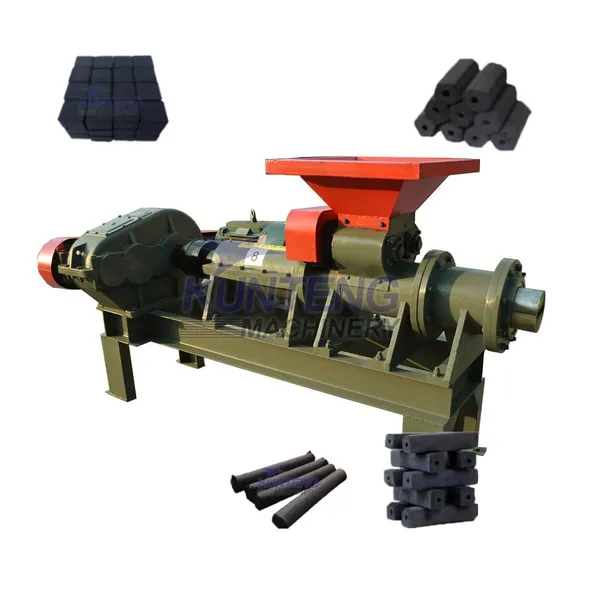
Small Scale Charcoal Briquette Making Machine Compressed Coal Industry Machines Automatic Extruder Production LineNegotiableMOQ: 1 Set
-
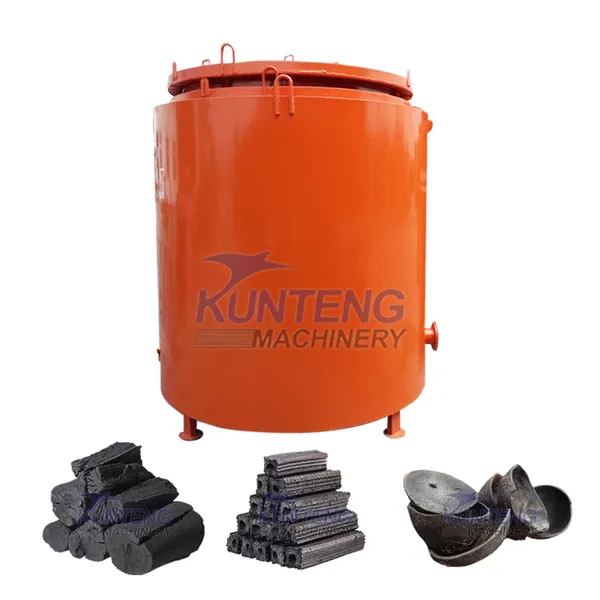
Automatic Eco-Friendly Vertical Hosting Carbonization Furnace Horizontal Sawdust Carbonizer FurnaceNegotiableMOQ: 1 Set
-
Eco-friendly Charcoal Making Machine Carbonization Furnace Continous Carbonization StoveNegotiableMOQ: 1 Set
-
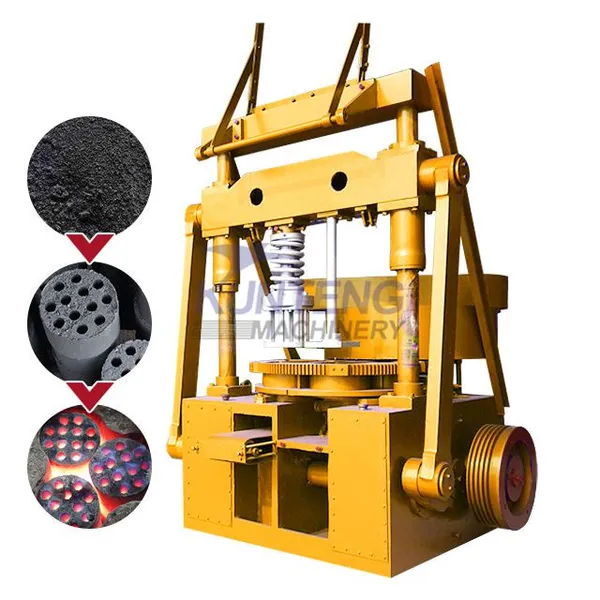
Coal Press Machine Can Customize Honeycomb Coal Forming Machine Commercial Forming MachineNegotiableMOQ: 1 Set
-
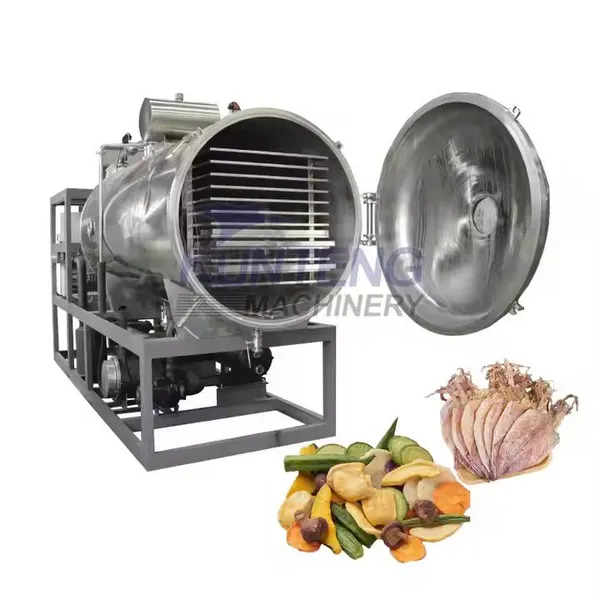
Large Commercial High Productivity Freeze Drier Dryer LyophilizerNegotiableMOQ: 1 Set
-
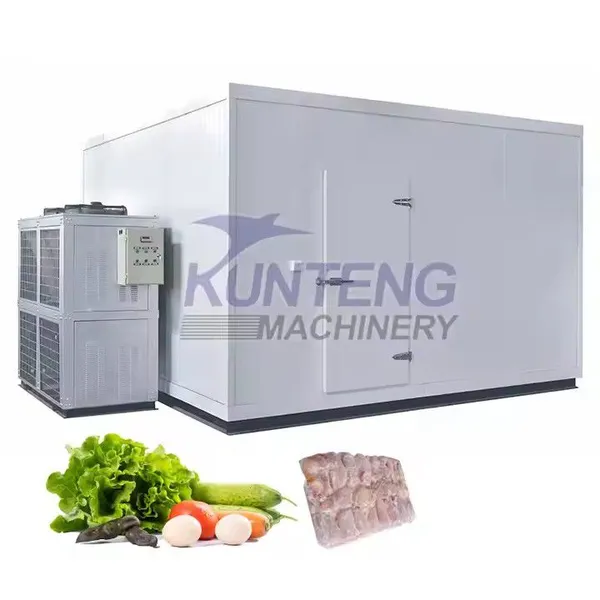
Monoblock Freezer Blower -18c Cold Storage Cold Room Kits CoolingNegotiableMOQ: 1 Set
-
Professional Air Flow Separation Machines Air Separation System for Waste SortingNegotiableMOQ: 1 Set
-
Smokeless Waste Incineration Machine Garbage IncineratorNegotiableMOQ: 1 Set
-
Fruit and Vegetable Drying Processing Machine Grape Raisin Drying Machine Mango Dryer MachineNegotiableMOQ: 1 Set
-
Trommel Screen Machine Construction Waste Sorting EquipmemtsNegotiableMOQ: 1 Set
-
Municipal Solid Waste Converts to RDF Machines Waste Plastic to Fuel Machine Waste Recycling PlantNegotiableMOQ: 1 Set
-
High Capacity Teak Drying Chamber Timber Formwork Dry Machine Wood Drying EquipmentNegotiableMOQ: 1 Set
-
Smart Waste Plastic Crusher and Baler Machine Recycling Machine for Plastic Waste to Make BricksNegotiableMOQ: 1 Set
-
New Design Waste Separation Machine Trommel Screen Machine for Rubbish Garbage Sorting Plant LineNegotiableMOQ: 1 Set