
 Business License
Heavy Duty Double Shaft Shredder: Cut Waste Costs
Cardboard, paper trim, textile offcuts and aluminium cans share a stubborn trait on the plant floor: they take up far more space than their weight justifies, and the cost of handling them grows with every truckload. A heavy duty double shaft shredder changes that economics at the first stage of size reduction, turning bulky, low-density waste into uniform output that packs tighter, transports cheaper and feeds downstream recycling or RDF lines without constant intervention. This guide explains where the operational bottlenecks actually sit, how an automatic paper wood waste shredder addresses them, and how to evaluate the return before committing capital.
The Recycling Volume Is There — The Handling Efficiency Is Not
The waste paper recycling market grew from $51.36 billion in 2025 to $54.72 billion in 2026, a compound annual growth rate of 6.5%, according to The Business Research Company’s 2026 market report. Global recovery rates, however, remain uneven. FAO data for 2024 place Europe at a 69% paper recovery rate and Northern America at 67%, while the Asia-Pacific region sits at 53%. The European Paper Recycling Council reports an even higher regional figure of 75.1% for all paper products in 2024, with paper packaging alone reaching 83.1%.-3-11-15
High collection rates do not automatically translate into high-value recycling. Three friction points persist for B2B processors:
Contamination slows downstream sorting. Cardboard mixed with metal impurities, plastic strapping or food residue requires additional removal steps before it can re-enter the fibre stream, and those steps add cost per tonne.-37
Bulky waste inflates logistics. Untreated cardboard and paper trim occupy storage and trailer space inefficiently, raising haulage and handling costs before any material value is recovered.
Mixed-material streams resist single-purpose machines. A facility handling cardboard cores alongside textile waste, wood offcuts or production reject cans needs size reduction that adapts to feedstock variation rather than one machine per material type.
The aluminium side reinforces the same logic. Aluminium can recycling saves up to 95% of the energy required for primary production, and dedicated can-to-can remelting can raise melt recovery rates by 18% while cutting energy use and emissions by 15% compared with mixed-alloy recycling, according to an International Aluminium Institute white paper released in November 2025. The constraint is rarely the recyclability of the material; it is whether the material reaches the furnace or pulper in a form the next process can accept.-32-34
How a Heavy Duty Double Shaft Shredder Changes the Cost Equation
A heavy duty double shaft shredder operates on low-speed, high-torque rotation. Two counter-rotating shafts grip bulky or irregular material and shear it against fixed counter-knives, producing a consistent particle size without the flywheel effect and knife wear patterns of high-speed single-shaft designs. Commercial configurations in this class handle throughput from 1 tonne per hour up to 50 tonnes per hour, with rotor diameters around 490 mm and power ratings in the 320 kW range for heavy industrial duty. Compact double-shaft models in the 800–1,300 kg/hour band serve mid-volume packaging and production-waste applications where floor space is tighter.-21-24
What matters for B2B buyers is not the headline tonnage figure but how the machine behaves across the material mix they actually generate. Three design choices separate a productive installation from a maintenance liability:
Counter-knife geometry and alloy selection determine whether the shredder can tolerate occasional metal contamination in cardboard bales without stopping the line. Shredders built for paper and cardboard streams are commonly specified with wear-resistant, high-alloy blades that can be repaired multiple times before replacement, lowering consumable cost per tonne.-21
Shaft configuration and screen changeover control output sizing. The same double-shaft platform can be configured for coarse pre-shredding ahead of a baler or finer secondary reduction ahead of an RDF or pulping line, using interchangeable screens rather than a second machine purchase.-60
Automation and dust management decide labour intensity. An automatic paper wood waste shredder in this category can accept loaded hoppers with minimal operator interaction, while integrated dust collection and fire-suppression options address the two most common safety and compliance concerns in paper-rich environments.-22
The material range extends beyond paper. The same double-shaft architecture is used to process textile waste, rubber, pallet wood, production reject cans and mixed industrial waste, which is why buyers evaluating a textile vegetable crinkle paper shredder machine for a specific packaging or agricultural application often discover that a heavy-duty double-shaft unit delivers greater long-term flexibility at comparable capital cost.-21
How to Reduce Cardboard Waste Volume by 50–70% with a Double Shaft Shredder
The long-tail operational question most frequently raised by plant managers is not “which shredder” but “how much volume can we actually remove, and what does the payback look like.” The following sequence reflects how successful installations move from evaluation to steady-state operation.
Step 1: Characterise the feedstock before sizing the machine. Separate the waste stream into three categories over a two-week period: (a) clean corrugated cardboard and paper trim, (b) contaminated or mixed paper with plastic or metal content, and (c) non-paper materials that would require the same shredder (textile, wood, cans, cores). Throughput calculations based on the heaviest and most contaminated fraction, not the cleanest, prevent under-sizing.
Step 2: Match output specification to the downstream process. If shredded material feeds a baler, coarser output reduces fines and improves bale integrity. If it feeds an RDF line, a finer, more uniform particle size supports consistent calorific value. If shredded cardboard is reused as void fill or cushioning, cutting geometry and output fluffiness become the primary specification criteria, not maximum tonnage.
Step 3: Plan the material flow around the shredder, not just the shredder itself. Installations that capture the full benefit position the shredder at the point where waste is generated — beside a die-cutter, corrugator or packaging line — and integrate pneumatic or belt transport to a baler, eliminating forklift movements and double handling. A Polish cardboard packaging manufacturer that replaced manual scrap handling with an automated shred-and-transport system reported improved air quality alongside reduced energy use and higher productivity.-40-44
Step 4: Quantify the two cost lines the shredder displaces. The payback case rests on (i) avoided haulage and disposal fees per tonne, and (ii) avoided purchase of void-fill or cushioning materials where shredded output is reused in-house. A cardboard core shredder installation processing 1,500–1,800 cores per month reached amortisation in under two years when waste-paper proceeds were offset against disposal costs. An EPA New South Wales Bin Trim case documented a furniture wholesaler diverting 6.1 tonnes of cardboard per year from landfill after installing an in-house shredder, with associated cost savings.-81-84
Step 5: Build a maintenance schedule around blade condition, not calendar intervals. Low-speed double-shaft shredders wear primarily at the knife edges and counter-knives. Inspecting blade clearance and screen condition every 250–300 operating hours, and rotating or repairing blades before throughput drops, avoids the cascade of higher amperage draw, irregular output and downstream jams that follows deferred maintenance.
What a Realistic Installation Looks Like
A packaging converter generating mixed corrugated trim, paper cores and occasional textile strapping waste cannot justify three separate machines. The workable configuration is a single heavy duty double shaft shredder positioned at the trim collection point, fitted with a coarse screen for baler feed and a magnetic separator or overband magnet ahead of the cutting chamber to capture stray metal. Output discharges to a horizontal baler through a pneumatic line, removing forklift traffic from the production hall. Blade inspection occurs on a fixed interval, and the reclaimed fibre enters the same baling stream as clean production scrap, preserving its value rather than downgrading it to general waste.
The operational gain is not only floor space. It is the conversion of a cost centre — waste handling — into a controlled, predictable material stream that meets the specification of the next buyer or process.
FAQ
What is the typical minimum order quantity and lead time for a heavy duty double shaft shredder? Most industrial suppliers quote one unit as the minimum order, with lead times commonly ranging from 30 to 60 days depending on shaft configuration, screen size and whether a feed conveyor or magnetic separator is included. Custom voltage and discharge-height requirements can extend the schedule; confirming those specifications before order placement avoids retrofits.
Can the same machine handle cardboard, aluminium cans and textile waste without compromising output quality? A correctly specified double-shaft shredder can process all three, but output sizing and knife configuration should be chosen for the dominant material. Facilities where paper and cardboard represent more than 70% of throughput typically optimise for paper first and accept coarser output on occasional can or textile batches; facilities with a genuinely mixed stream should specify a mid-range screen and a magnetic separation stage.
What information is needed to get an accurate quotation? Feedstock composition and approximate bulk density, required output particle size, hourly throughput target, available floor space and power supply, and whether shredded material will be baled, transported pneumatically or fed directly to a downstream process. Suppliers who ask for these details before quoting are more likely to specify a machine that performs at steady state rather than at the demonstration stage.
The gap between a recycling rate on a report and a cost saving on a plant’s P&L is closed at the point where material is first reduced in size. If your operation is still paying to haul air and void space, evaluating a heavy duty double shaft shredder against your actual feedstock mix is the logical next step — specify the material streams, the downstream process and the cost lines you intend to displace, and the sizing conversation becomes a financial exercise rather than a specification sheet comparison.
Recently Posted
-
Extruding Biomass Briquettes: Rice Husk Profit Guide
November 16, 2026Published on 16 November 2026Rice husk is one of the most abundant and problematic agricultural residues in Asia-Pacific. It is lo Read More
-
Animal Dung Pellet Maker: From Waste to Fuel
November 13, 2026Every poultry or dairy operation faces the same quiet arithmetic: the birds and cattle keep producing litter, and the disposal bil Read More
-
Mesh Belt Forage Grass Dryer: Cut Alfalfa Losses
November 12, 2026Every hour that cut alfalfa sits in the field, its most valuable fraction—the leaves—is disappearing. A raking pass alone can stri Read More
-
Coconut Shell Fiber Making Machine: Retting to ROI
November 11, 2026Published on 11 November 2026If your coir operation still depends on pond retting, the bottleneck is not labour or land—it is time Read More

Contact Us
Recommended Products
-
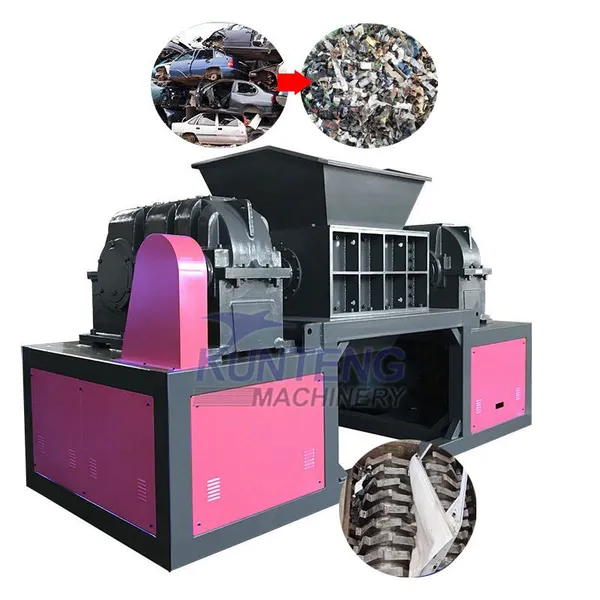
 Continuous Heavy Metals Shredder Damaged Cars Crusher HMS Heavy Melting Steel Scrap Wire MS Iron ShredderNegotiableMOQ: 1 Set
-
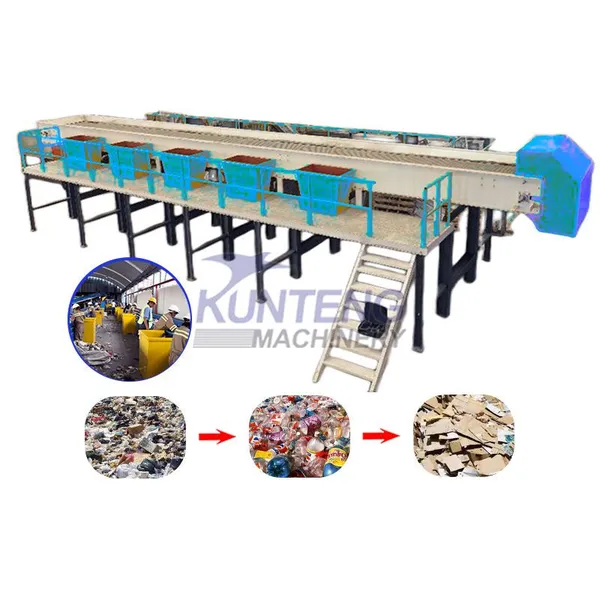
Large Dustbin for Sorting Table With Scrapshoot Hole Waste Segregation Machine Sorting LineNegotiableMOQ: 1 Set
-
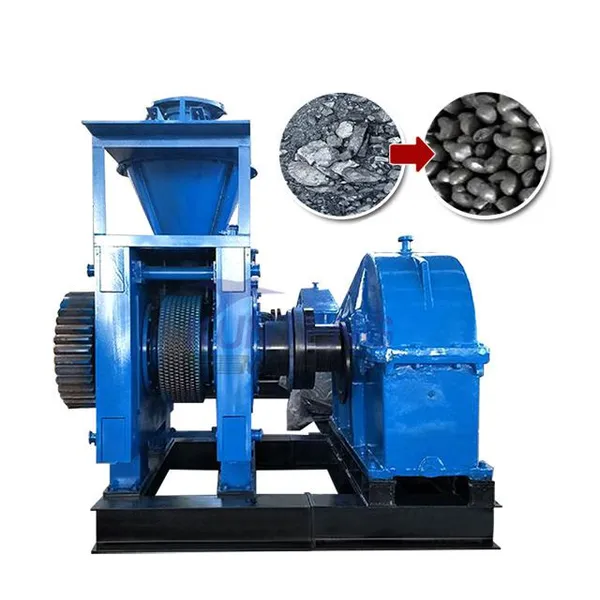
High Productivity Iron Ore Powder Ball Press Machine Mineral Soil Silicon Powder Briquetting MachineNegotiableMOQ: 1 Set
-
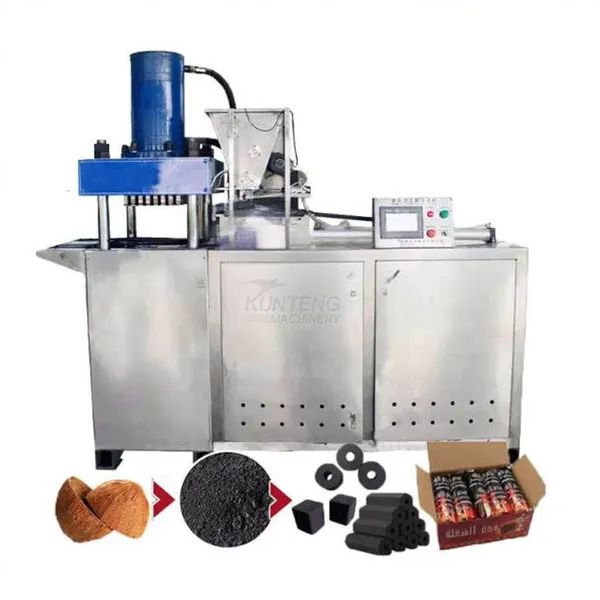
Eco-friendly Coconut Shell Charcoal Briquette Making Machine Charcoal Press Machine Bbq Charcoal Production LineNegotiableMOQ: 1 Set
-
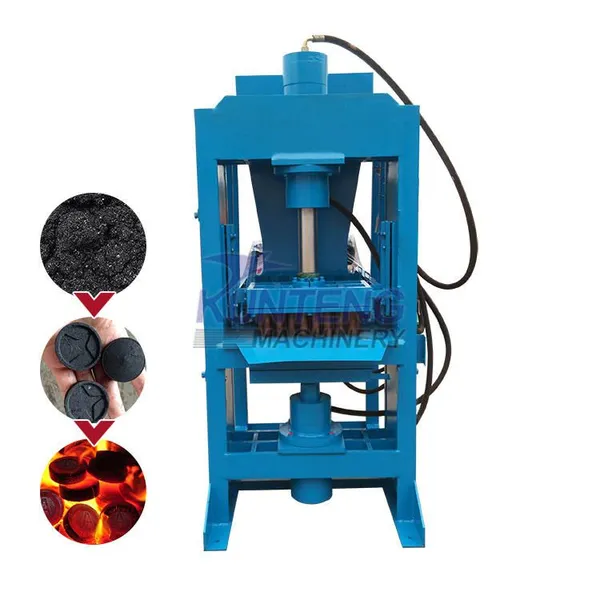
Full Automatic Coconut Charcoal Hydraulic Press Machines Sawdust Charcoal Briquette Machines Biomass Charcoal Briquette MachineNegotiableMOQ: 1 Set
-
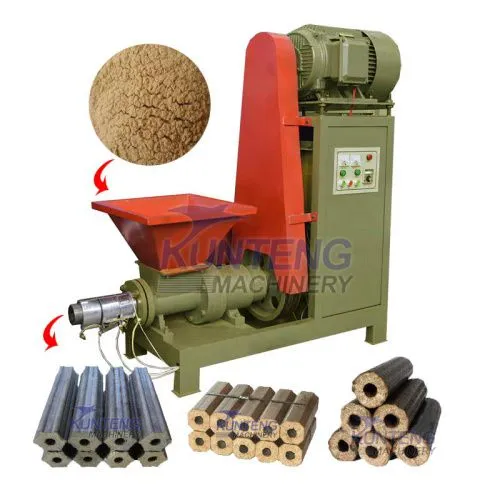
Corn Stalk Briquette Making Machine Chicken Manure Biomass Briquetting Extruder Press MachineNegotiableMOQ: 1 Set
-
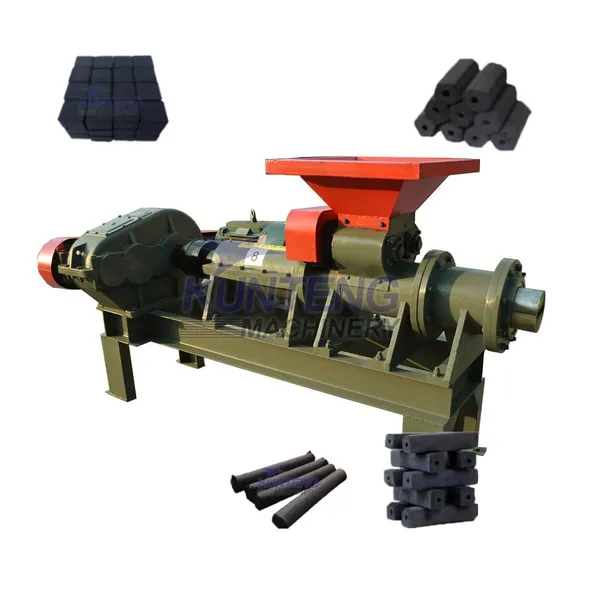
Small Scale Charcoal Briquette Making Machine Compressed Coal Industry Machines Automatic Extruder Production LineNegotiableMOQ: 1 Set
-
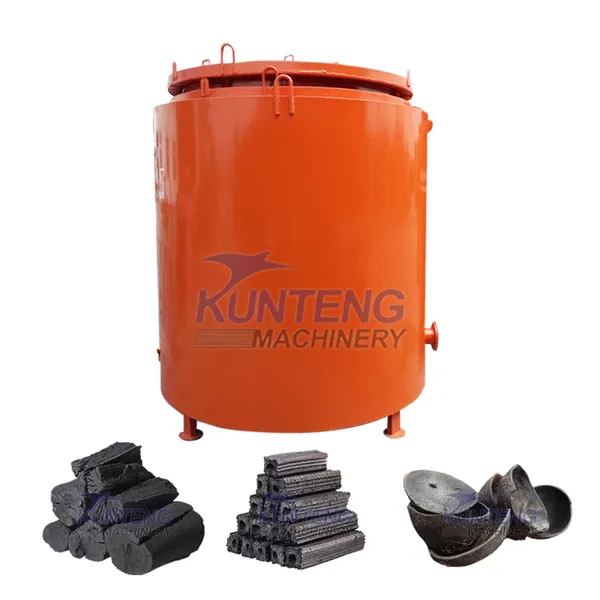
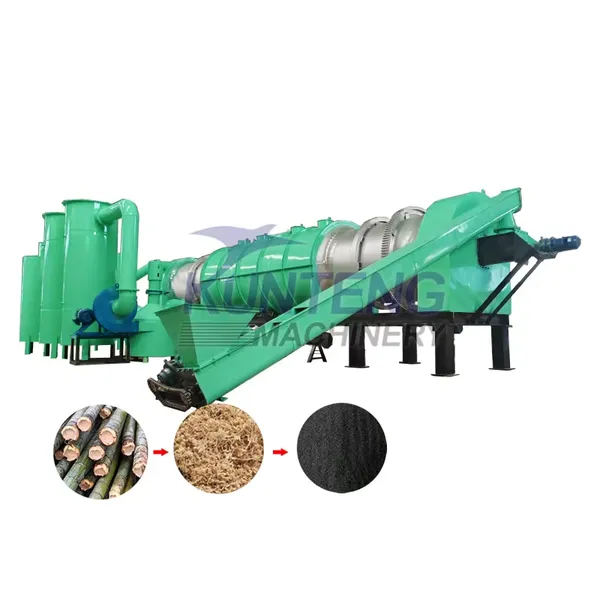
Automatic Eco-Friendly Vertical Hosting Carbonization Furnace Horizontal Sawdust Carbonizer FurnaceNegotiableMOQ: 1 Set
-
Eco-friendly Charcoal Making Machine Carbonization Furnace Continous Carbonization StoveNegotiableMOQ: 1 Set
-
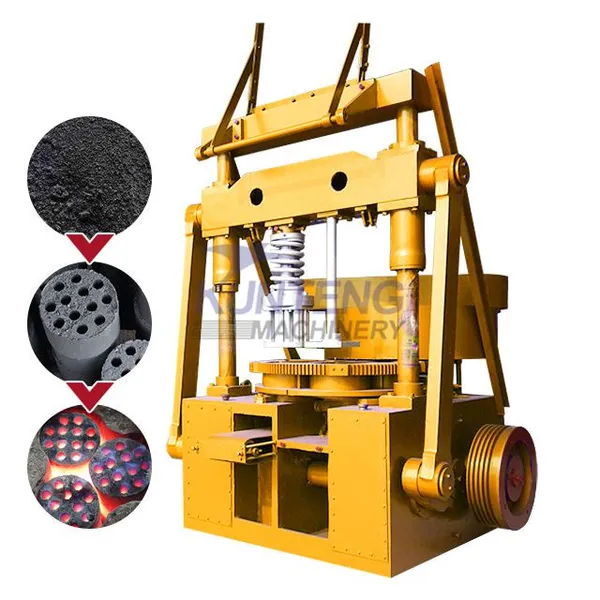
Coal Press Machine Can Customize Honeycomb Coal Forming Machine Commercial Forming MachineNegotiableMOQ: 1 Set
-
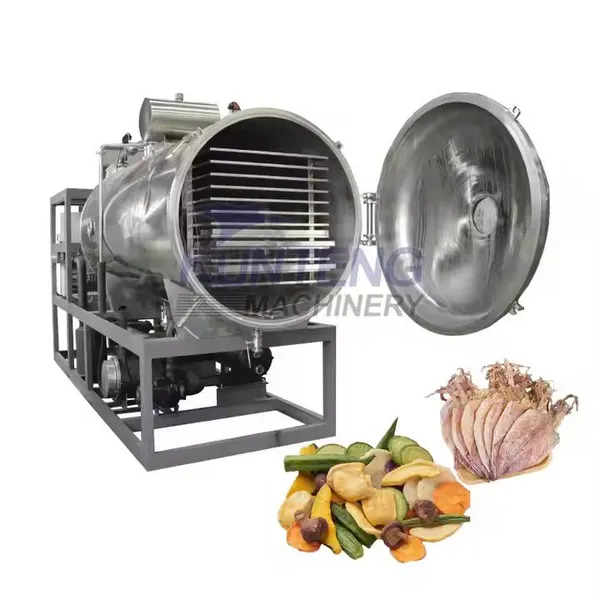
Large Commercial High Productivity Freeze Drier Dryer LyophilizerNegotiableMOQ: 1 Set
-
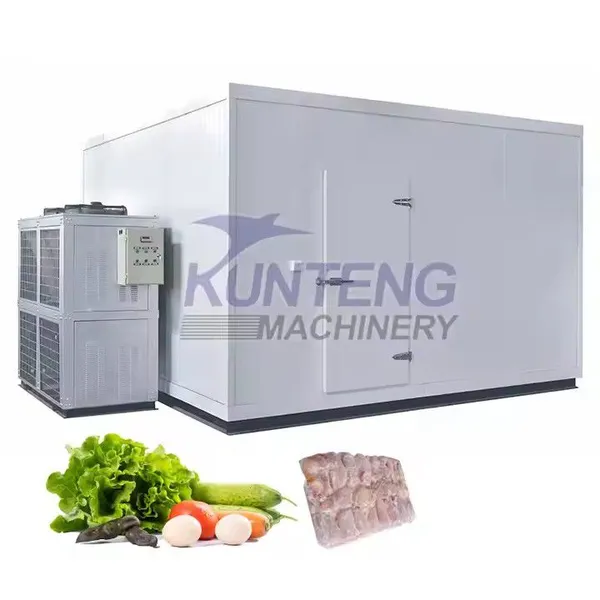
Monoblock Freezer Blower -18c Cold Storage Cold Room Kits CoolingNegotiableMOQ: 1 Set
-
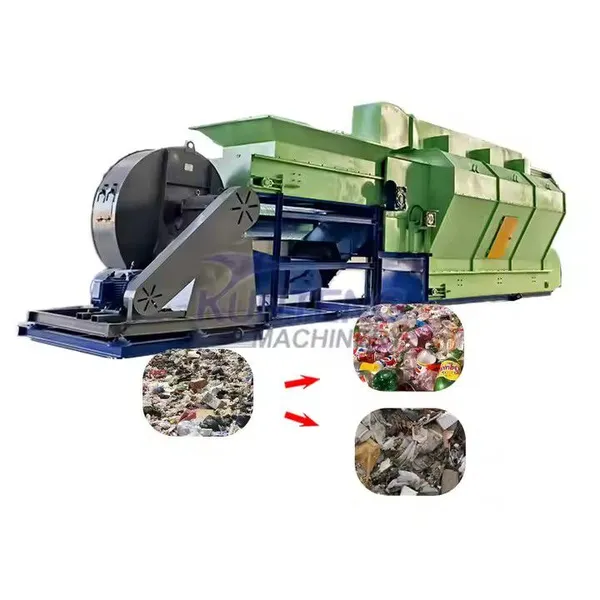
Professional Air Flow Separation Machines Air Separation System for Waste SortingNegotiableMOQ: 1 Set
-
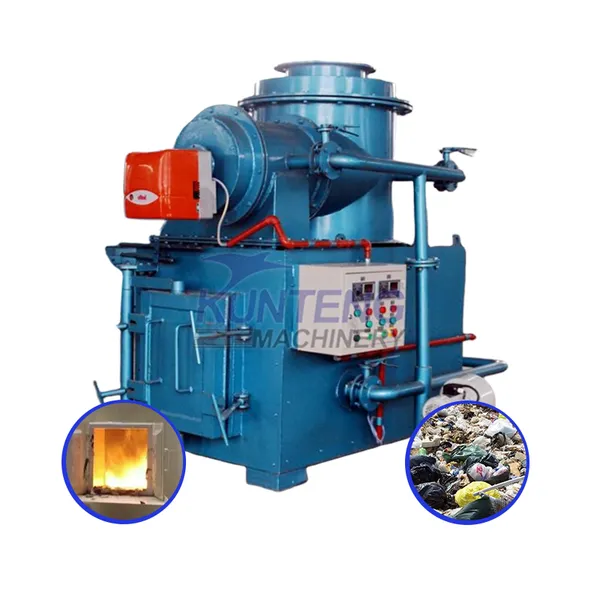
Smokeless Waste Incineration Machine Garbage IncineratorNegotiableMOQ: 1 Set
-
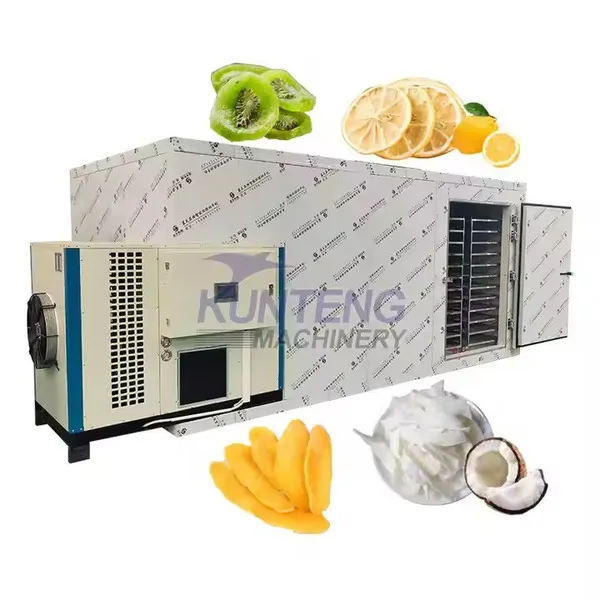
Fruit and Vegetable Drying Processing Machine Grape Raisin Drying Machine Mango Dryer MachineNegotiableMOQ: 1 Set
-
Trommel Screen Machine Construction Waste Sorting EquipmemtsNegotiableMOQ: 1 Set
-
Municipal Solid Waste Converts to RDF Machines Waste Plastic to Fuel Machine Waste Recycling PlantNegotiableMOQ: 1 Set
-
High Capacity Teak Drying Chamber Timber Formwork Dry Machine Wood Drying EquipmentNegotiableMOQ: 1 Set
-
Smart Waste Plastic Crusher and Baler Machine Recycling Machine for Plastic Waste to Make BricksNegotiableMOQ: 1 Set
-
New Design Waste Separation Machine Trommel Screen Machine for Rubbish Garbage Sorting Plant LineNegotiableMOQ: 1 Set