
 Business License
RDF Briquette Machine: From Waste to Kiln-Ready Fuel
Cement producers and industrial energy users face a tightening squeeze: landfill restrictions are shrinking disposal options, while coal-based thermal energy carries rising carbon costs. The practical answer for many operators is not simply “burn waste,” but converting non-recyclable residues into a specification-compliant fuel through an Industrial Waste Shredding to RDF Forming Production Line. This guide explains how Refuse Derived Fuel Equipment turns mixed commercial and municipal waste into densified RDF, why the RDF Briquette Machine stage is where most projects succeed or fail, and how to evaluate a line before committing capital.
Why RDF Demand Is Outgrowing Basic Shredding Capacity
The global RDF market was estimated at USD 7.34 billion in 2025 and is projected to reach USD 10.12 billion by 2031, growing at a 5.56% CAGR, according to Mordor Intelligence’s Refuse-Derived Fuel Market Report (2026–2031). Europe alone accounted for 46.7% of global market share in 2025, driven by landfill diversion rules and carbon pricing. The EU now targets limiting municipal landfill disposal to 10% by 2035, and several member states remain far above that threshold—Romania and Croatia reported landfill rates of 73% and 71%, respectively, in 2021.-1
Cement is the anchor demand segment. European cement plants already substitute 53% of kiln fuel with waste-derived alternatives, compared with a global average of just 6%. JSW Cement co-processed 157,000 tonnes of RDF in FY2024–25, reaching a 16.5% thermal substitution rate and reporting 120,000 tonnes of avoided CO₂.-1
But demand growth has exposed a quality gap. Unprocessed mixed waste can contain over 35% moisture, pulling net calorific value down from a target of 18 MJ/kg to below 11 MJ/kg. Loose RDF fluff has a bulk density of only 70–150 kg/m³, meaning operators are effectively paying to transport air. A shredder alone does not solve this. A forming line does.-1-59
How the Production Line Closes the Quality and Density Gap
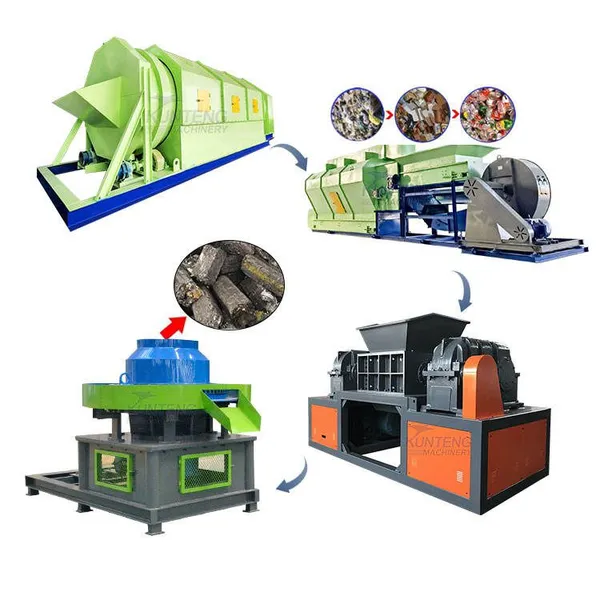
A complete Industrial Waste Shredding to RDF Forming Production Line is a sequence of mechanical and thermal steps, each targeting a specific fuel property that cement kilns or boilers will reject if left unmanaged.
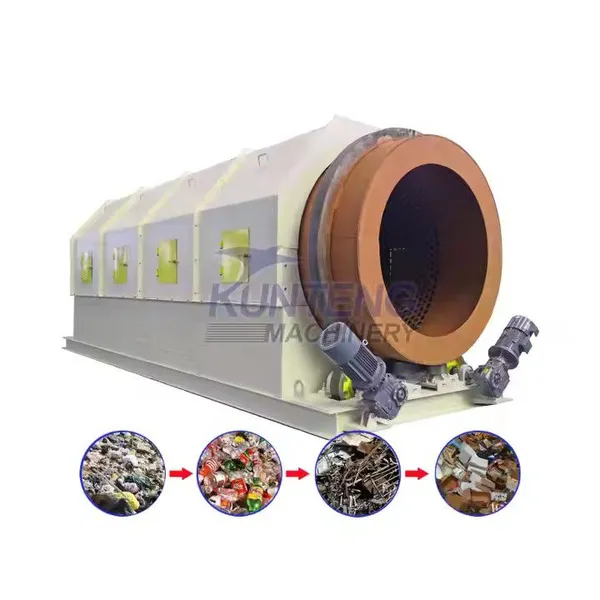
Step 1 — Primary shredding. Bulky commercial and municipal waste is reduced to a manageable size, typically opening bags and liberating materials for downstream separation. A primary shredder breaks down bulky fractions before screening and metal removal.-43
Step 2 — Ferrous and non-ferrous separation. Overbelt magnets remove ferrous metals, while eddy current separators extract aluminium and other non-ferrous fractions. Skipping this stage accelerates wear on the briquetting press and contaminates the final fuel.-42-44
Step 3 — Secondary shredding to kiln-acceptable particle size. The material is reduced to a consistent particle size—often below 50–60 mm—which governs combustion stability in the kiln.-43-45
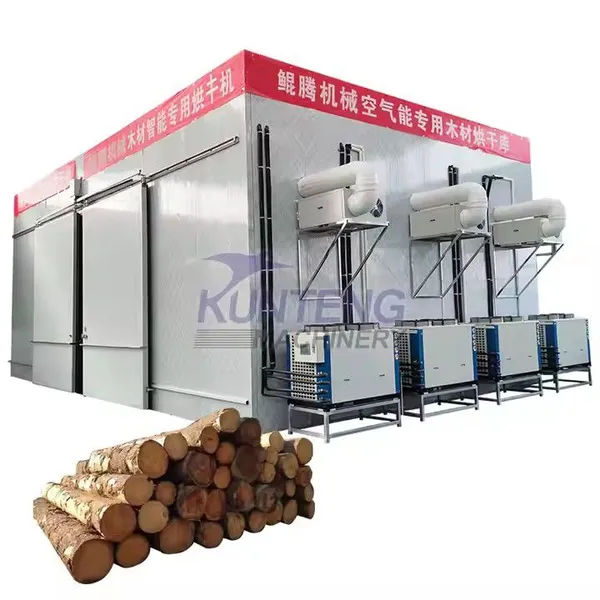
Step 4 — Drying and homogenisation. Moisture control is non-negotiable. European emissions rules impose chlorine and moisture limits that can lead to rejection of poor-quality RDF loads. EN 15359:2025 tightened the chlorine limit from 0.9% to 0.6%, with premium Class 1–2 grades requiring chlorine below 0.2% by weight.-1-19-52
Step 5 — RDF briquette forming. This is where the economics shift decisively. High-pressure densification raises bulk density from fluff levels of 70–150 kg/m³ to over 700 kg/m³, cutting regional fuel transportation costs by more than 70% in some documented cases. A high-pressure briquetting system can reduce logistics costs by nearly 40% compared with loose fluff. Densified RDF is also easier to store and feed into co-firing systems than fluffy material.-60-61-63
How to Select an RDF Briquette Machine Without Over- or Under-Sizing
The long-tail decision most buyers actually face is this: how to choose an RDF briquette machine capacity that matches your waste intake and offtake contract without creating a bottleneck elsewhere in the line. Capacity ratings on supplier datasheets range widely—from 1–2 t/h at 75 kW to 4–5 t/h at 280 kW, with some industrial units reaching 1,500–10,000 kg/h. Use the following evaluation sequence.-37-38
Start from the kiln or boiler’s thermal demand, not from the shredder’s throughput. A cement kiln’s alternative fuel feeding system accepts a specific particle size and density; the briquetting press must match that specification before capacity is discussed.
Confirm the chlorine ceiling for your end user. Class 3 EN 15359 material tolerates chlorine under roughly 1%, while premium Class 1–2 applications require below 0.2%. If your feedstock contains PVC film or chlorinated plastics, an optical sorting or NIR separation step is required upstream—the briquetting machine cannot fix chlorine chemistry.-52-53
Size drying capacity before briquetting capacity. If incoming waste exceeds 30–35% moisture, the dryer becomes the rate-limiting step. A press rated at 4 t/h will not deliver 4 t/h of specification fuel if upstream drying cannot keep pace.-1
Validate total connected power against site infrastructure. A 4–5 t/h line may require 280 kW or more for the forming stage alone; electrical supply upgrades are a common hidden cost in retrofits.-37
Ask for a material test on your actual waste, not a generic sample. RDF calorific value can range from 12 to 23 MJ/kg depending on plastics and paper content, and press performance varies with feedstock tenacity.-27
What the Evidence Says About RDF Co-Processing Outcomes
The case for densified RDF is supported by independent technical and life-cycle research, not only supplier claims.
A CFD study of RDF co-firing in a full-scale cement precalciner, published in Fuel (Elsevier, 2026), found that a 15% RDF substitution ratio maintained burnout and raw-meal decomposition above 95% and 90% respectively, while reducing outlet CO₂ and NO by 1.69% and 7.06%.-10
A cradle-to-gate life cycle assessment in Sci (December 2025) modelled 20% thermal substitution in South African and Ethiopian cement production and found a 3.3–4.2% reduction in global warming potential per kg of cement, rising to 6.7% when avoided landfill methane was included. The study recommended substitution rates of 15–30% as a scalable mitigation pathway.-11
Votorantim Cimentos reported that its Alconera cement site reached a 54% thermal substitution rate in December 2024 using olive pomace and RDF, demonstrating that high substitution is operationally achievable with consistent fuel quality.-14
These results depend on fuel consistency. A production line that delivers uniform particle size, controlled moisture, and stable density is the precondition for reaching those substitution rates without kiln instability.
FAQ
What is the typical minimum order quantity for an RDF forming production line?
Most industrial-scale lines are configured per project rather than sold from catalogue stock. Entry configurations handling 1–2 t/h are available, while 4–5 t/h and larger lines are engineered around feedstock analysis and offtake specification. Buyers should expect a material test and layout study before a firm quotation.
How long is delivery and commissioning for a complete line?
Lead times vary with the number of separation and drying stages. A line including primary shredding, magnetic and eddy current separation, secondary shredding, drying, and briquetting typically requires several months for manufacture and shipment, followed by on-site installation and commissioning. Projects specifying EN 15359-compliant chlorine control add engineering and quality-assurance time upstream of the press.
Can the line be customised for high-moisture or high-chlorine waste streams?
Yes, but the customisation happens before the briquetting stage. High-moisture streams require additional drying capacity; high-chlorine streams require optical or NIR sorting to isolate PVC and chlorinated film. The RDF Briquette Machine itself is selected for density and throughput, while upstream modules determine whether the final fuel meets the target chlorine class.-52
Next Step
If you are evaluating an RDF project for a cement kiln, industrial boiler, or waste-to-energy facility, the most useful starting point is a feedstock and offtake specification review—not a generic equipment list. Share your waste composition, target calorific value, and chlorine ceiling, and request a line configuration and material test proposal built around those numbers.
Recently Posted
-
Frozen Storage Cold Rooms: A B2B Energy Playbook
November 7, 2026Published on 27 October 2026A frozen storage cold room is no longer just a box that holds temperature. For B2B buyers evaluating a Read More
-
Rectangular Hay Baler: Automation & Density Guide
November 5, 2026Published on November 5, 2026If you run a commercial hay or contracting operation, the bottleneck is rarely the field—it is the ba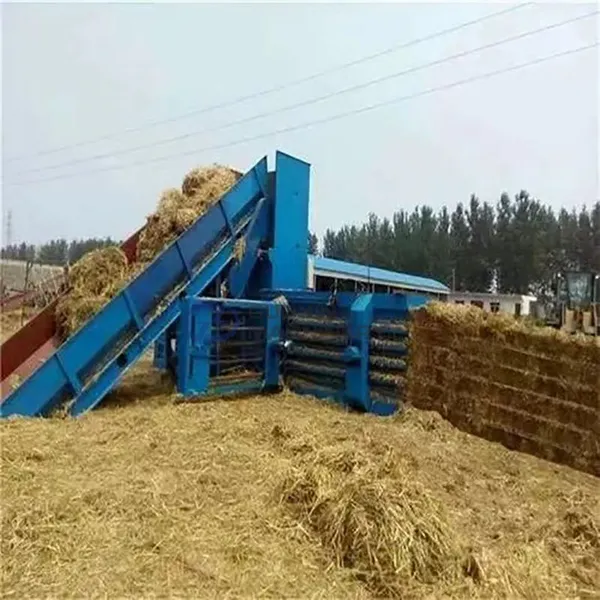 Read More
-
Drying Ovens for Charcoal Briquettes: Cut Cracks
November 4, 2026Charcoal briquette producers lose margin at the final stage of production: the drying room. Briquettes leave the press at roughly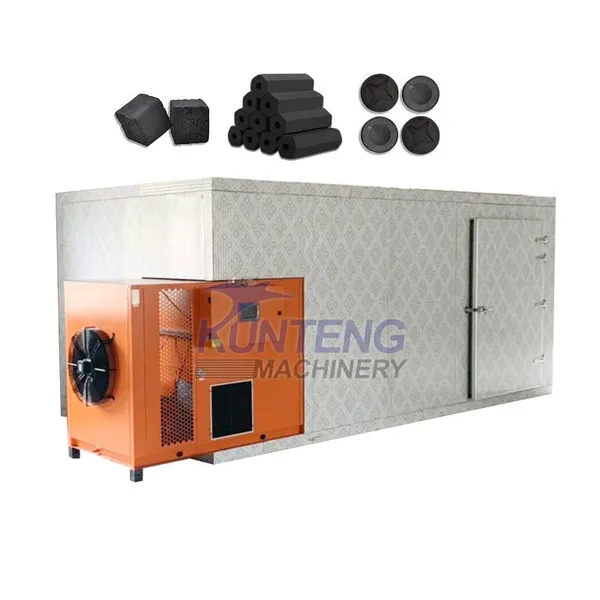 Read More
-
Microwave Sterilize Dryer: Cut Nut & Grain Rejections
November 3, 2026Every container of nuts or grains that fails aflatoxin or microbial testing at the port is a direct write-off—and a recurring one.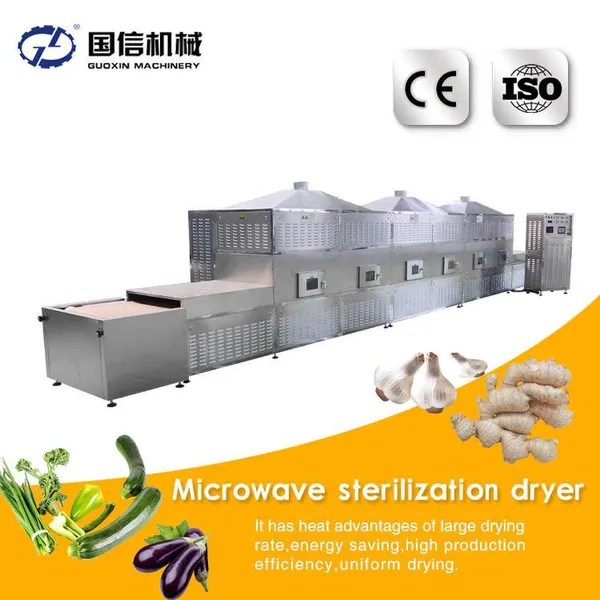 Read More

Contact Us
Recommended Products
-
 Continuous Heavy Metals Shredder Damaged Cars Crusher HMS Heavy Melting Steel Scrap Wire MS Iron ShredderNegotiableMOQ: 1 Set
-
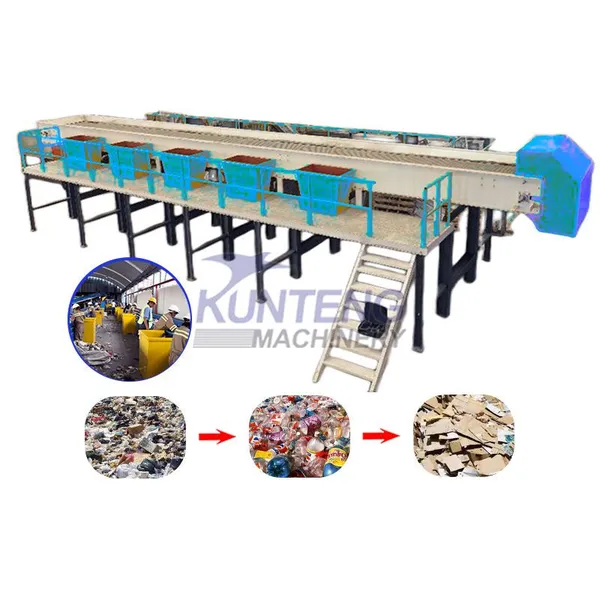
Large Dustbin for Sorting Table With Scrapshoot Hole Waste Segregation Machine Sorting LineNegotiableMOQ: 1 Set
-
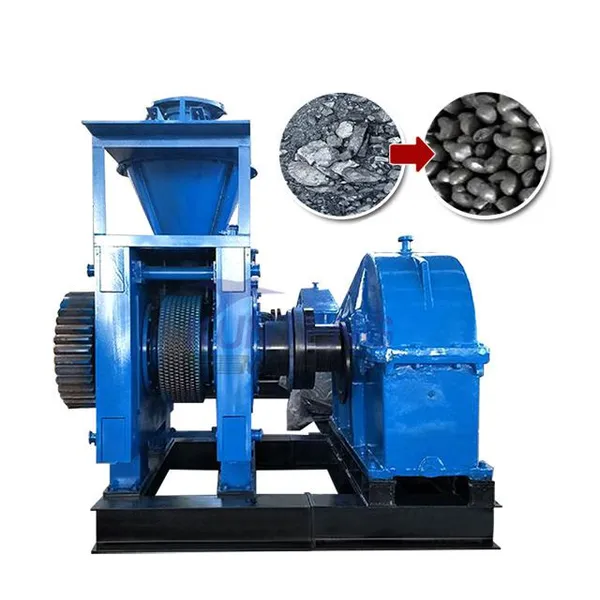
High Productivity Iron Ore Powder Ball Press Machine Mineral Soil Silicon Powder Briquetting MachineNegotiableMOQ: 1 Set
-
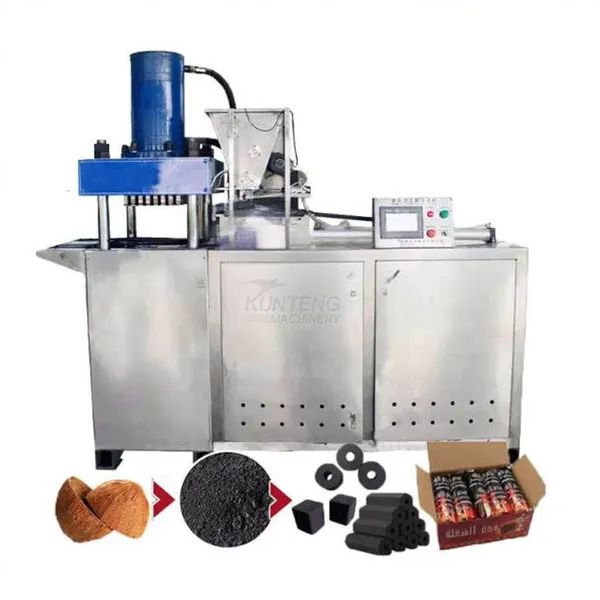
Eco-friendly Coconut Shell Charcoal Briquette Making Machine Charcoal Press Machine Bbq Charcoal Production LineNegotiableMOQ: 1 Set
-
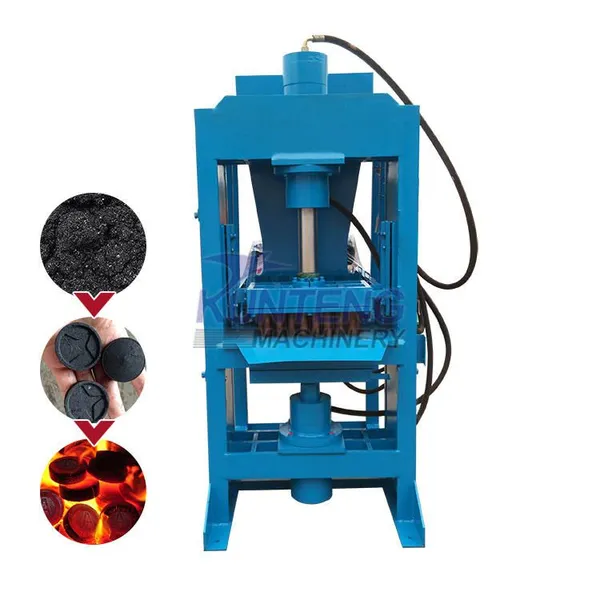
Full Automatic Coconut Charcoal Hydraulic Press Machines Sawdust Charcoal Briquette Machines Biomass Charcoal Briquette MachineNegotiableMOQ: 1 Set
-
Corn Stalk Briquette Making Machine Chicken Manure Biomass Briquetting Extruder Press MachineNegotiableMOQ: 1 Set
-
Small Scale Charcoal Briquette Making Machine Compressed Coal Industry Machines Automatic Extruder Production LineNegotiableMOQ: 1 Set
-
Automatic Eco-Friendly Vertical Hosting Carbonization Furnace Horizontal Sawdust Carbonizer FurnaceNegotiableMOQ: 1 Set
-
Eco-friendly Charcoal Making Machine Carbonization Furnace Continous Carbonization StoveNegotiableMOQ: 1 Set
-
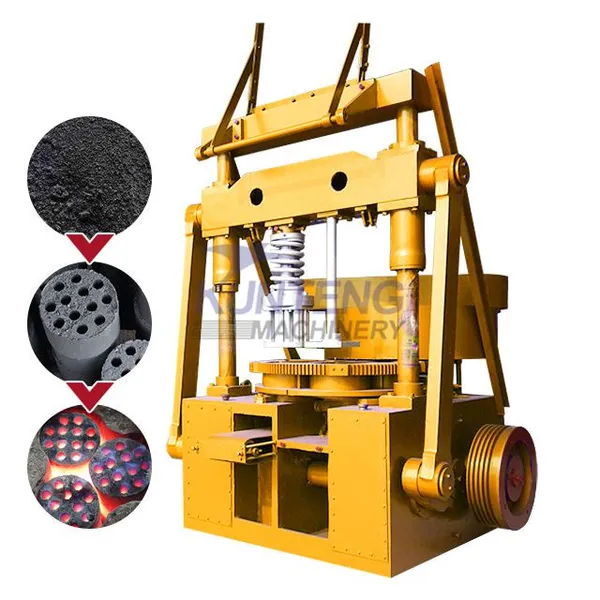
Coal Press Machine Can Customize Honeycomb Coal Forming Machine Commercial Forming MachineNegotiableMOQ: 1 Set
-
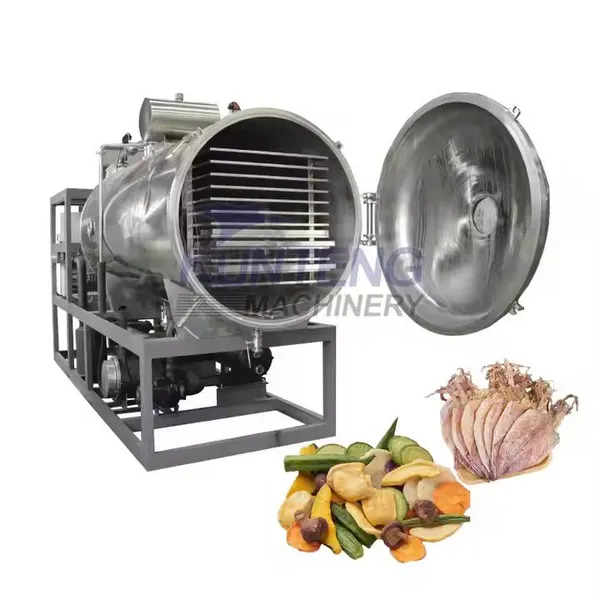
Large Commercial High Productivity Freeze Drier Dryer LyophilizerNegotiableMOQ: 1 Set
-
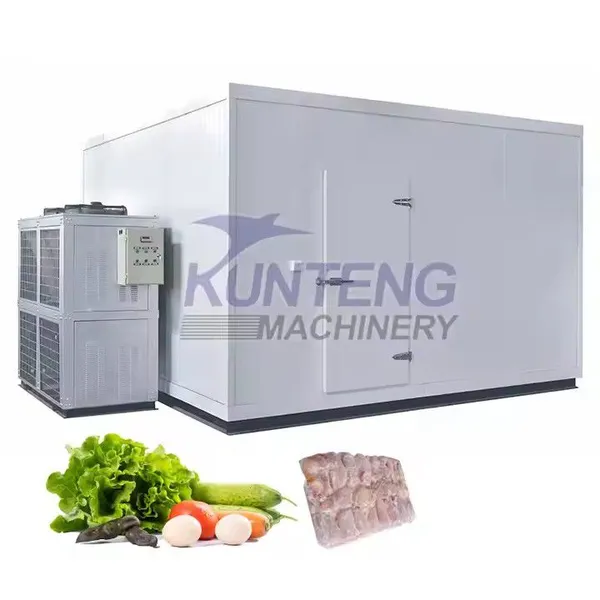
Monoblock Freezer Blower -18c Cold Storage Cold Room Kits CoolingNegotiableMOQ: 1 Set
-
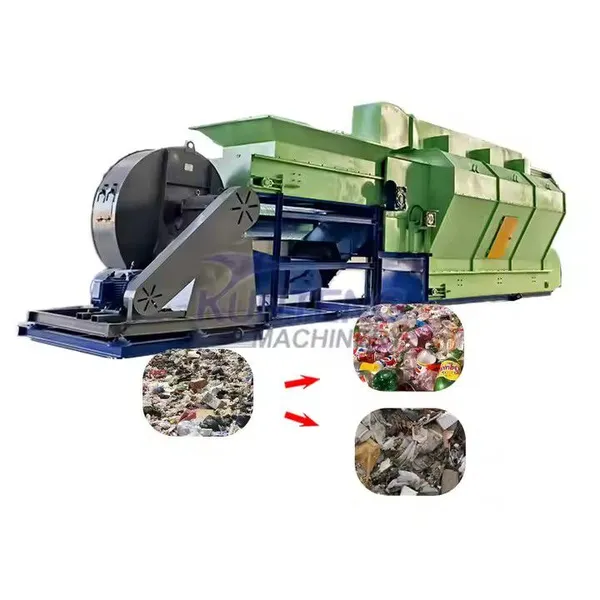
Professional Air Flow Separation Machines Air Separation System for Waste SortingNegotiableMOQ: 1 Set
-
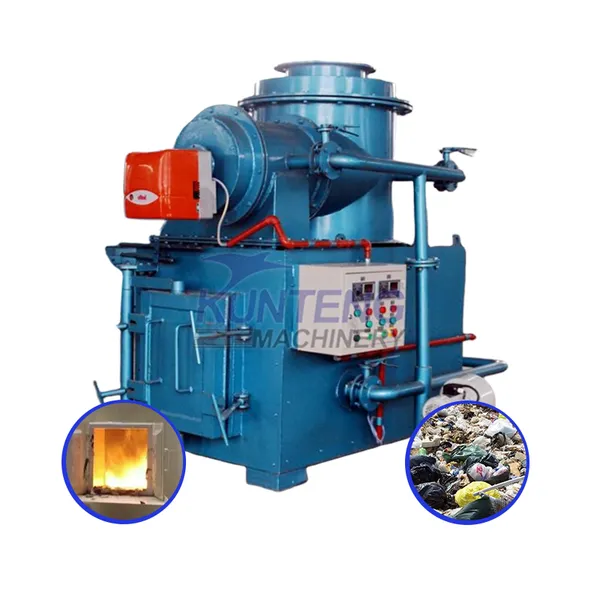
Smokeless Waste Incineration Machine Garbage IncineratorNegotiableMOQ: 1 Set
-
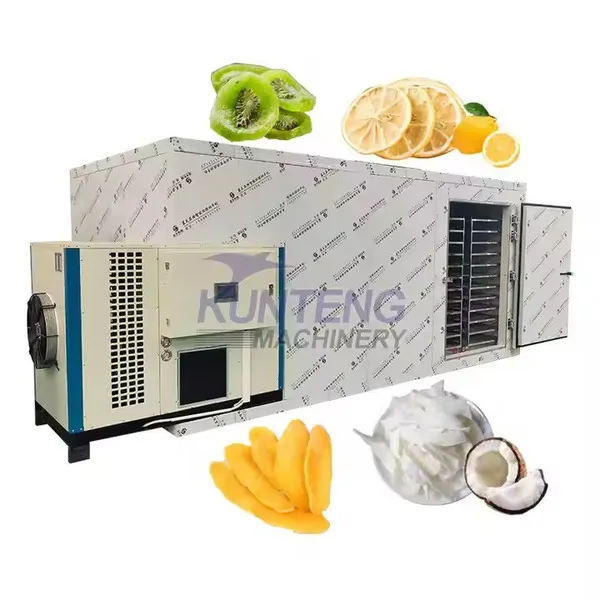
Fruit and Vegetable Drying Processing Machine Grape Raisin Drying Machine Mango Dryer MachineNegotiableMOQ: 1 Set
-
Trommel Screen Machine Construction Waste Sorting EquipmemtsNegotiableMOQ: 1 Set
-
Municipal Solid Waste Converts to RDF Machines Waste Plastic to Fuel Machine Waste Recycling PlantNegotiableMOQ: 1 Set
-
High Capacity Teak Drying Chamber Timber Formwork Dry Machine Wood Drying EquipmentNegotiableMOQ: 1 Set
-
Smart Waste Plastic Crusher and Baler Machine Recycling Machine for Plastic Waste to Make BricksNegotiableMOQ: 1 Set
-
New Design Waste Separation Machine Trommel Screen Machine for Rubbish Garbage Sorting Plant LineNegotiableMOQ: 1 Set