
 Business License
Olive Pomace Screw Press Briquette Machine: A Buyer’s Guide
Published on 2026-11-26
Olive oil mills produce fuel, not just oil — but most of that fuel is thrown away. Every season, the global olive sector generates millions of tonnes of pomace, a moist, oily residue that landfills, rots, or burns inefficiently in the open. For mill owners and biomass entrepreneurs, the question is no longer whether pomace can be turned into a sellable solid fuel. It is whether the equipment on the market can handle pomace’s specific density, moisture, and oil content without constant downtime. This guide examines how an olive pomace screw press briquette machine fits into that decision, what the real operating numbers look like, and where the commercial case is strongest for B2B buyers.
The Scale of the Olive Pomace Problem — and the Opportunity
Olive pomace is not a niche waste stream. In the 2024/25 harvest season, global olive pomace generation reached approximately 14.4 million tonnes, making it the most abundant solid by-product of olive oil extraction. For every litre of olive oil produced, roughly 5 kilograms of pomace remain. In Tunisia alone — the world’s third-largest olive oil producer in 2024/25 with an estimated 340,000 tonnes of oil — the same season generated around 600,000 tonnes of olive waste.-4-13-46
The disposal side of this equation is costly and increasingly regulated. Current management routes — composting, landfilling, and specialised treatment — can consume up to 10% of total production expenses, according to the EU-funded OLinWASTE biorefinery project. Inadequate disposal carries further liabilities: olive pomace contains phenolic compounds and organic acids that can degrade soil and contaminate groundwater.-54-55
At the same time, the energy value of pomace is well documented. Briquettes made from 100% olive pomace typically reach a calorific value of around 20 MJ/kg (≈4,500–5,000 kcal/kg), with ash content in the 5–7% range under standard combustion conditions. For buyers evaluating a biomass briquette making machine, the commercial logic is straightforward: a material that currently costs money to dispose of can be densified into a fuel product with a defined calorific specification and a growing export market.-13
How a Screw Press Briquette Machine Responds to Pomace’s Specific Challenges
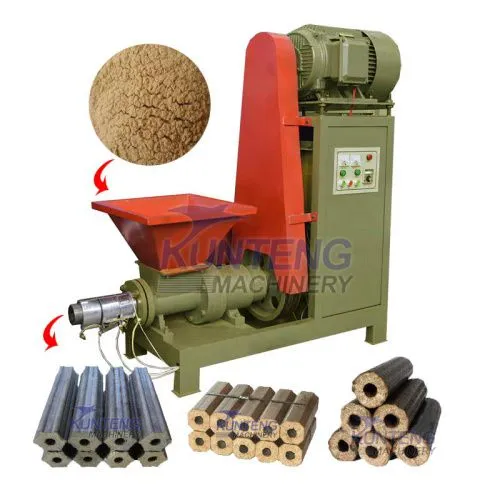
Not every densification technology handles olive pomace well. Pellet mills demand finely ground, consistently dry feedstock and impose high wear on dies when oil-bearing material passes through. A screw wood/rice husk biomass briquette press making machine, by contrast, operates on a different principle: a tapered screw forces material through a heated die, and the combination of pressure and temperature releases natural lignin, which acts as an internal binder. For olive pomace, this creates three practical advantages.-60
No external binder required. The lignin in pomace and residual oil contributes to binding under screw extrusion, eliminating binder cost and the handling complexity it introduces.-64
Wider moisture tolerance. Screw briquette presses typically accept feedstock in the 8–15% moisture range, with 10% documented as an ideal operating point for olive pomace. This reduces drying energy compared with pelletising routes that require tighter moisture control.-20-62
Lower energy and capital intensity per tonne. Briquetting uses 20–50% less energy per tonne than pelletising, and a comparable briquetting machine typically costs 30–50% less than a pellet mill of similar throughput. For an agriculture waste briquette making machine deployed at a mill site, that gap in upfront capital and running cost materially changes payback maths.-21
On the output side, a mid-range screw press unit in the 15 kW class can produce 1,000–1,500 kg/h of cylindrical briquettes at a density of 1.0–1.2 g/cm³, with diameters commonly set between 50 and 80 mm by interchangeable extrusion sleeves. The briquettes burn more slowly than pellets because of their larger mass and denser form — a characteristic that suits stove, boiler, and export fuel applications where burn duration matters.-12-24
How to Turn Olive Pomace into Market-Ready Briquettes with a Screw Press
The long-tail question that drives qualified enquiries is not “what is a briquette machine” but “how to turn olive pomace into heating fuel with a screw press briquette machine” at a commercial scale. The sequence below reflects the operating logic documented in screw-press deployments and pomace briquetting research.
Step 1 — Characterise the incoming pomace. Fresh pomace varies in moisture, oil content, and pit fraction depending on the extraction system (two-phase or three-phase) and the olive variety. Target a feed moisture of roughly 8–12% before extrusion; above 15%, drying or blending with drier material becomes necessary.-20
Step 2 — Size reduction and homogenisation. Pomace contains pit fragments and fibrous pulp. A hammer mill or shredder brings the material to a consistent particle size, which improves screw feeding stability and briquette surface quality.
Step 3 — Set the extrusion parameters. Screw speed, die temperature, and die geometry are the three levers. The heated die softens lignin; too low a temperature produces weak, crumbly briquettes, while excessive temperature can scorch the surface. Most suppliers provide a starting parameter set matched to olive pomace and adjust after a trial run.
Step 4 — Cut to length and cool. Briquettes exit the die at elevated temperature and are cut to the target length. Air cooling on a conveyor allows the lignin bond to set before bagging or bulk loading.
Step 5 — Test the finished fuel. Verify calorific value, ash content, moisture, and mechanical durability against the specification your buyer requires. Independent laboratory testing at this stage protects both the sale and the machine’s reputation in the field.
A Real-World Reference: Bioheat in Tunisia
The most concrete commercial validation of pomace briquetting comes from Tunisia, where the startup Bioheat — founded by engineer Yassine Khelifi in 2022 — converts olive waste into cylindrical heating briquettes. By 2025, Bioheat had reached 600 tonnes of annual briquette production, with 60% exported to France and Canada. The briquettes carry a residual moisture content of 8%, roughly half that of firewood, and are sold to households, restaurants, guesthouses, and schools in northwestern Tunisia.-1
The downstream economics are equally instructive. Selim Sahli, a guesthouse owner who switched from firewood to Bioheat briquettes, reported reducing his heating costs by one third. A pizzeria owner cited lower smoke emissions as the deciding operational benefit. On the production side, the business case for briquetting extends beyond the fuel itself: research published in Scientific Reports found that marketing biochar in briquette form, rather than as loose powder, raised monthly revenue from the same feedstock by a factor of more than ten. That does not mean every mill should add a biochar line, but it confirms that densification is where the value step-change occurs in olive-waste processing.-4-28
FAQ
What is the minimum order quantity for a screw press briquette machine?
Entry-level configurations are available from one unit, which makes the technology accessible to single-mill operators and pilot projects as well as multi-line industrial buyers. Capacity and motor size are the main variables that change the quotation, not the minimum order threshold.-39
How long is delivery, and can the machine be customised for olive pomace?
Standard screw press units typically ship in around 15 days, with longer lead times for custom die configurations or complete production lines that include drying and cooling. Customisation for olive pomace is routine: extrusion sleeve diameter, briquette shape (solid or hollow), and motor configuration can be specified to match the mill’s throughput and target market.-38-42
Does a screw press require a binder for olive pomace?
No external binder is needed under normal operating conditions. The lignin naturally present in pomace is released under the heat and pressure of screw extrusion and functions as the binding agent. If pomace is blended with a low-lignin material, a small binder addition may be evaluated during trials, but 100% pomace briquetting is commercially established.-60-64
Next Step: Match the Machine to Your Pomace Stream
The difference between a briquetting project that reaches 600 tonnes a year and one that stalls at the trial stage usually comes down to feedstock preparation and die configuration — not the brand plate on the motor. If you are evaluating an olive pomace screw press briquette machine for a mill, a cooperative, or a biomass trading operation, the most useful starting point is a straightforward comparison of your pomace volume, moisture profile, and target briquette specification against available screw-press configurations. Request a configuration review with your feedstock data to see which capacity class and die setup fit your operation before committing capital.
Recently Posted
-
Hot Air Fruit Dryer: From Batch Tool to Profit Line
November 24, 2026Published on 24 November 2026Market data referenced from 2025–2026 reports; figures current as of publication.If you already run a Read More
-
Charcoal Drying Machine: Continuous Mesh Belt Solution
November 23, 2026If your barbecue charcoal briquettes leave the press at 25–35% moisture, every hour they sit waiting for the sun is an hour of los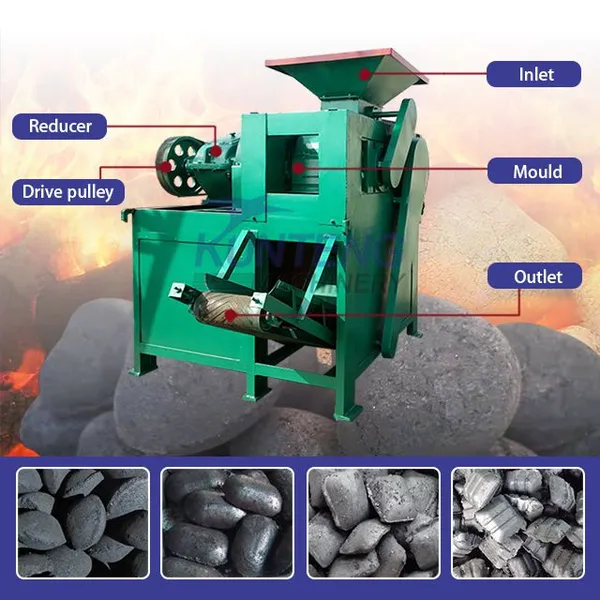 Read More
-
Continuous Rotary Carbonization Furnace: A Buyer's Guide
November 19, 2026If your operation is still relying on intermittent drum kilns or batch retorts, the bottleneck is no longer just labor or fuel—it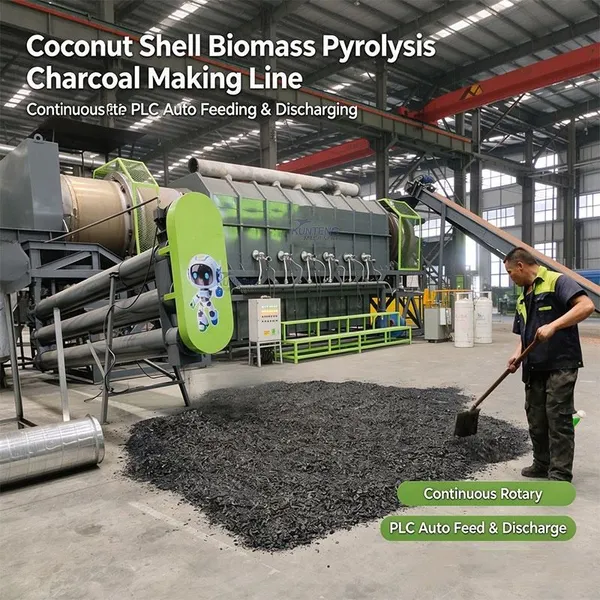 Read More
-
Large Capacity Charcoal Ball Briquette Machine: Cut Binder Cost
November 18, 2026Binder cost is the single line item most likely to decide whether a coal powder briquette making machine pays for itself. In coal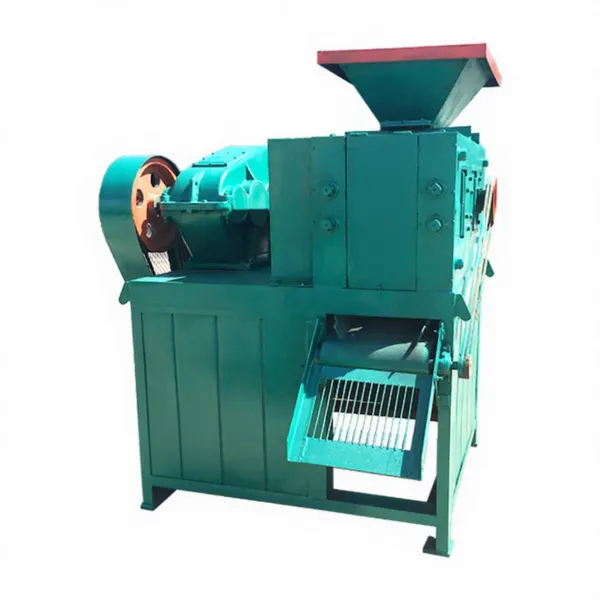 Read More

Contact Us
Recommended Products
-
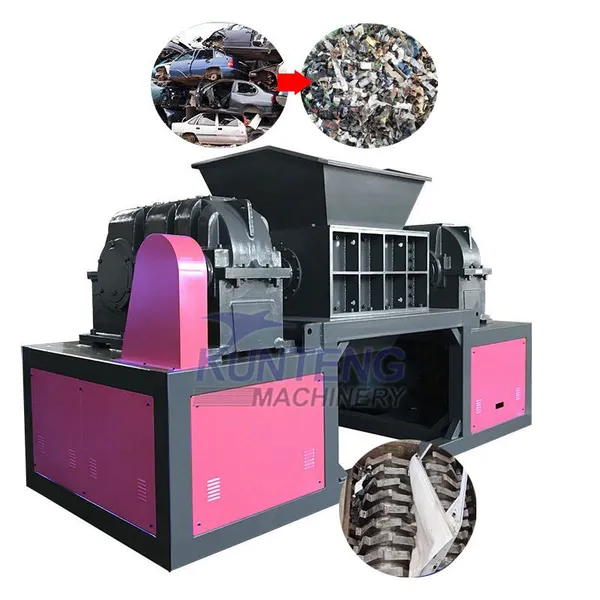
 Continuous Heavy Metals Shredder Damaged Cars Crusher HMS Heavy Melting Steel Scrap Wire MS Iron ShredderNegotiableMOQ: 1 Set
-
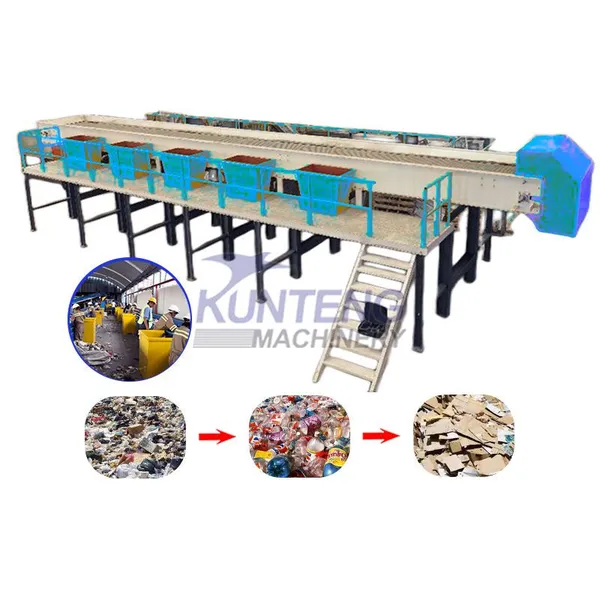
Large Dustbin for Sorting Table With Scrapshoot Hole Waste Segregation Machine Sorting LineNegotiableMOQ: 1 Set
-
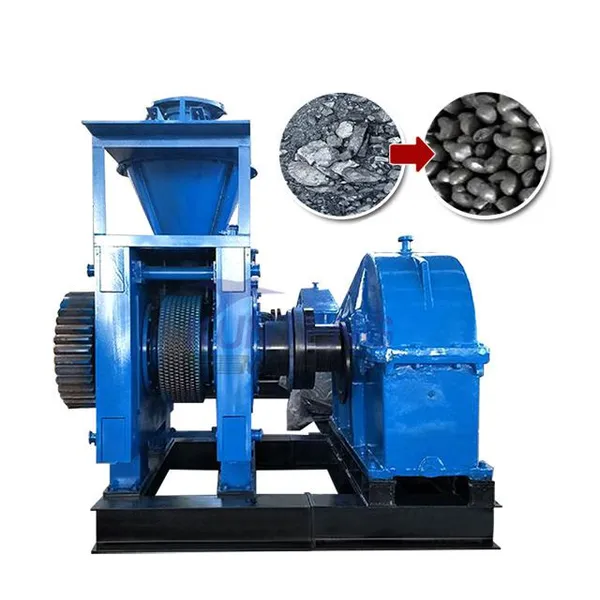
High Productivity Iron Ore Powder Ball Press Machine Mineral Soil Silicon Powder Briquetting MachineNegotiableMOQ: 1 Set
-
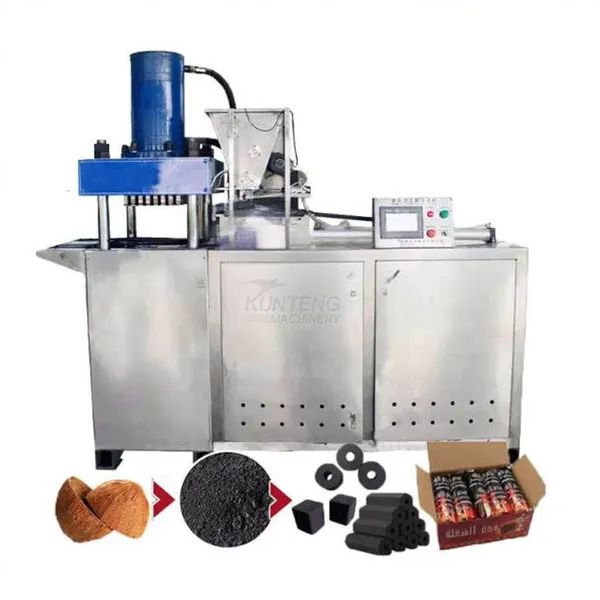
Eco-friendly Coconut Shell Charcoal Briquette Making Machine Charcoal Press Machine Bbq Charcoal Production LineNegotiableMOQ: 1 Set
-
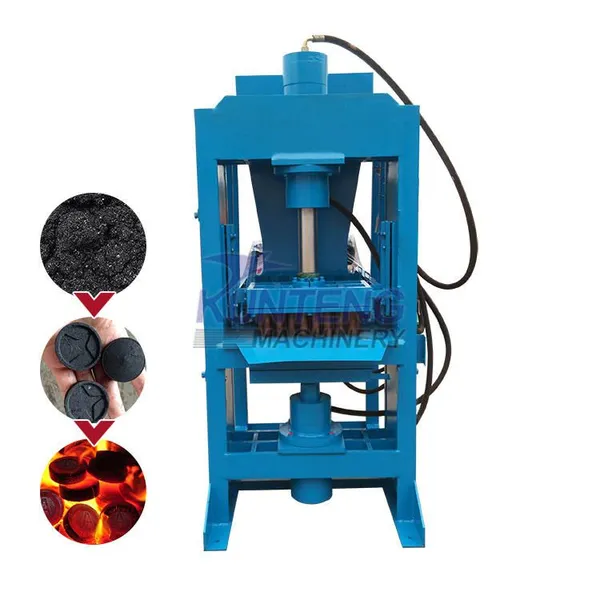
Full Automatic Coconut Charcoal Hydraulic Press Machines Sawdust Charcoal Briquette Machines Biomass Charcoal Briquette MachineNegotiableMOQ: 1 Set
-
Corn Stalk Briquette Making Machine Chicken Manure Biomass Briquetting Extruder Press MachineNegotiableMOQ: 1 Set
-
Small Scale Charcoal Briquette Making Machine Compressed Coal Industry Machines Automatic Extruder Production LineNegotiableMOQ: 1 Set
-
Automatic Eco-Friendly Vertical Hosting Carbonization Furnace Horizontal Sawdust Carbonizer FurnaceNegotiableMOQ: 1 Set
-
Eco-friendly Charcoal Making Machine Carbonization Furnace Continous Carbonization StoveNegotiableMOQ: 1 Set
-
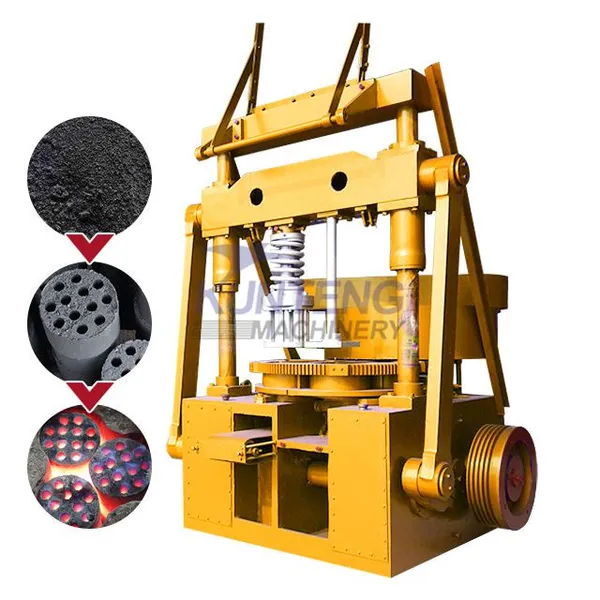
Coal Press Machine Can Customize Honeycomb Coal Forming Machine Commercial Forming MachineNegotiableMOQ: 1 Set
-
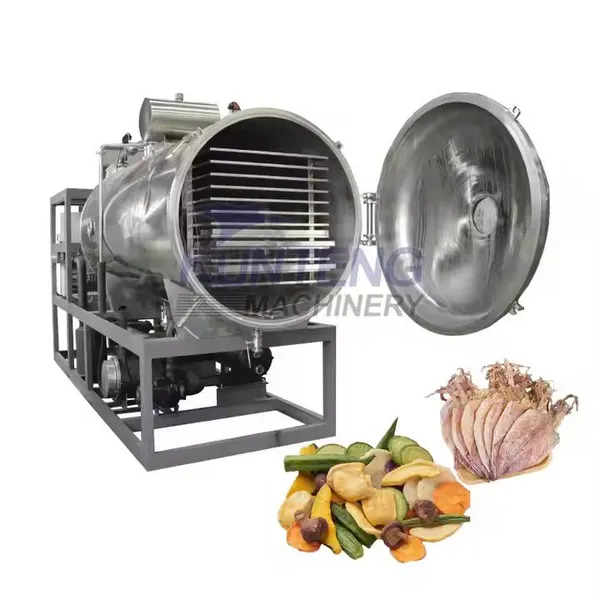
Large Commercial High Productivity Freeze Drier Dryer LyophilizerNegotiableMOQ: 1 Set
-
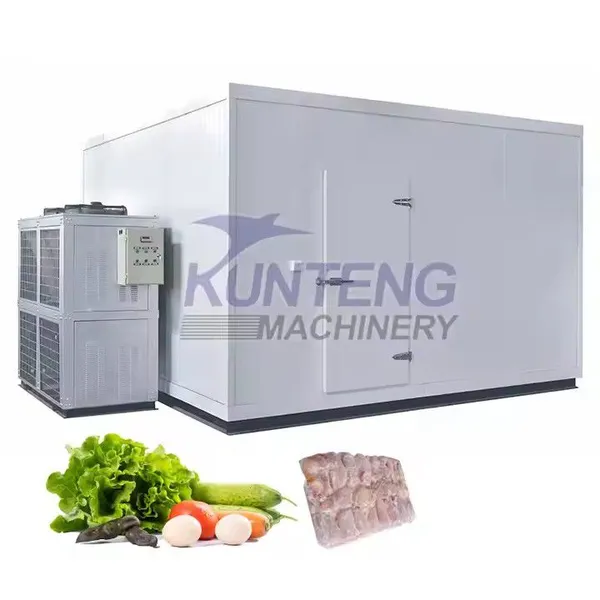
Monoblock Freezer Blower -18c Cold Storage Cold Room Kits CoolingNegotiableMOQ: 1 Set
-
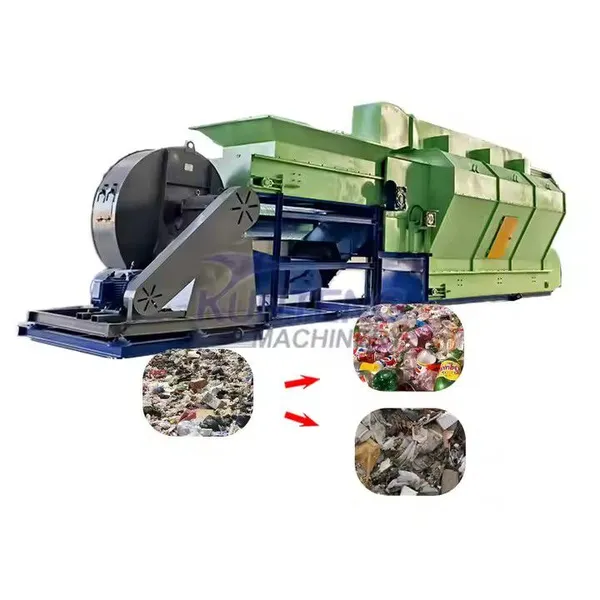
Professional Air Flow Separation Machines Air Separation System for Waste SortingNegotiableMOQ: 1 Set
-
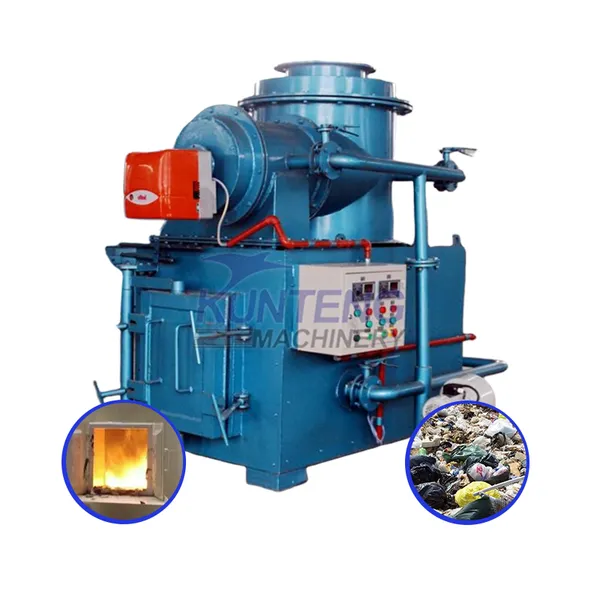
Smokeless Waste Incineration Machine Garbage IncineratorNegotiableMOQ: 1 Set
-
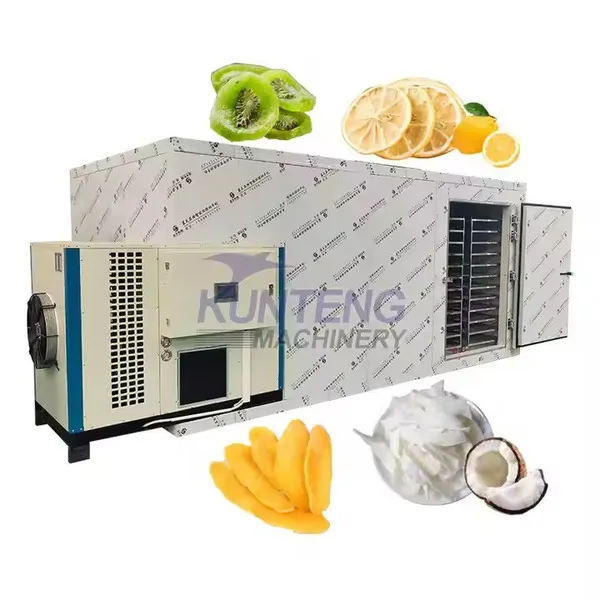
Fruit and Vegetable Drying Processing Machine Grape Raisin Drying Machine Mango Dryer MachineNegotiableMOQ: 1 Set
-
Trommel Screen Machine Construction Waste Sorting EquipmemtsNegotiableMOQ: 1 Set
-
Municipal Solid Waste Converts to RDF Machines Waste Plastic to Fuel Machine Waste Recycling PlantNegotiableMOQ: 1 Set
-
High Capacity Teak Drying Chamber Timber Formwork Dry Machine Wood Drying EquipmentNegotiableMOQ: 1 Set
-
Smart Waste Plastic Crusher and Baler Machine Recycling Machine for Plastic Waste to Make BricksNegotiableMOQ: 1 Set
-
New Design Waste Separation Machine Trommel Screen Machine for Rubbish Garbage Sorting Plant LineNegotiableMOQ: 1 Set