
 Business License

Hot Air Fruit Dryer: From Batch Tool to Profit Line
Published on 24 November 2026
Market data referenced from 2025–2026 reports; figures current as of publication.
If you already run a Professional Food Drying Machine but still treat drying as a bottleneck rather than a profit centre, the problem is rarely the machine itself. It is the gap between batch operation and line-integrated throughput. This guide is written for B2B buyers—processors, co-packers, and fruit exporters—who need to move from “we dry fruit” to “we run a drying operation that pays for itself.” It covers where the market is heading, how a Multi-Purpose Fruits Drying Room fits into a commercial line, and what it actually takes to get consistent colour, retention, and payback from a Complete Dehydrated Tomato Processing Equipment configuration.
The Dried Fruit Market Is Growing Faster Than Most Processing Lines Can Keep Up
The global dried fruits market grew from $10.12 billion in 2025 to an estimated $11.06 billion in 2026, a compound annual growth rate (CAGR) of 9.3%, according to Dried Fruits Market Report 2026 published by The Business Research Company (Research and Markets, January 2026). That report projects the market reaching $16 billion by 2030 at a CAGR of 9.7%. Growth drivers listed include rising demand for shelf-stable fruit, expansion of plant-based food applications, and “growing investments in advanced dehydration technologies”.
For B2B buyers, the implication is straightforward: demand for dehydrated fruit is not a niche trend. But the same report flags a constraint that shows up on the plant floor—many suppliers are still using drying methods that cannot deliver the consistency, throughput, or food-safety control that export buyers now expect.
The technical challenge is measurable. A comparative study published in PMC (2025) analysed drying methods for peach and found that hot air drying consumed 3.8–4.2 kWh/kg, while freeze drying consumed 7.5–8.5 kWh/kg. Freeze drying retains more nutrients (80–92% versus 65–72% for hot air), but the energy penalty is roughly double. The commercially relevant question is not “which method is best in a laboratory” but “which method delivers acceptable quality at a cost structure that supports wholesale margins.” For most fruit processors selling to wholesale, bakery, and ingredient channels, hot air circulation is the only method that meets both sides of that equation.
Tomato processing adds a second layer of complexity. Work indexed by FAO AGRIS evaluated drying tomato at 55°C, 65°C, 75°C, and 85°C and found that increasing drying temperature to 75°C was associated with higher concentrations of phenolic compounds and lycopene, though ascorbic acid decreased significantly during drying. The same study concluded that conventional hot-air drying at 75°C was “the most recommended” among the conditions tested. A separate two-stage drying study reported that high temperatures speed drying but cause greater browning—up to 200% more—while low temperatures preserve physical characteristics but extend drying time by 189%. In other words, tomato dehydration is not a single setpoint. It is a staging problem, and the equipment has to support staging.
What a Multi-Purpose Fruits Drying Room Actually Does on a Commercial Line
A Multi-Purpose Fruits Drying Room is not a scaled-up cabinet. It is a controlled environment where air temperature, humidity, and airflow are managed by zone, so the same chamber can run tomato halves at 75°C for lycopene retention, mango slices at 60–65°C to avoid sugar scorching, and apple rings at 70°C for firm texture—without rebuilding the line between SKUs. Equipment specifications from commercial suppliers list hot air circulation dryers in the 50–80°C range, with heat-pump drying rooms running 35–65°C for heat-sensitive fruit.
The operational logic that separates a production-grade room from an entry-level dryer comes down to three controllable variables:
Zone-level temperature profiling. A continuous mesh-belt dryer with independently controlled heating zones lets the product start warmer and finish cooler. This is the standard engineering answer to surface case hardening, where a crust forms early and traps moisture inside the piece. For tomato, a two-stage profile—higher initial temperature for surface moisture removal, lower finishing temperature for moisture equilibration—directly addresses the browning-versus-time trade-off documented in the two-stage drying literature.
Airflow through the bed, not across it. In a properly configured hot air circulating system, heated air is forced through the product bed so moisture moves from the inside of the piece outward, rather than simply drying the surface. This distinction matters for diced and sliced products where internal moisture migration determines final texture and rehydration performance.
Humidity control as a quality lever. Drying is not only about temperature. Relative humidity setpoints determine the moisture gradient between the product and the air. A room that can hold 30–40% RH during the main drying phase and drop to 15% during finishing gives the operator a second control axis beyond heat alone.
For a Complete Dehydrated Tomato Processing Equipment layout, the drying room is one module in a sequence: washing, sorting, halving or slicing, blanching or anti-browning pretreatment, de-watering, hot air drying, tempering, and packaging. The room’s value is not that it dries tomatoes. It is that it dries tomatoes to a specification that holds across batches—and then switches to another fruit without a full teardown.
How to Reduce Browning and Lycopene Loss in Dehydrated Tomato Processing
The long-tail question that matters most to tomato processors is not “what temperature should I use” but how to reduce browning and lycopene loss in dehydrated tomato processing without extending the cycle into unprofitable territory. The published evidence points to a staged approach rather than a single setpoint.
Prevent enzymatic browning before the dryer. Polyphenol oxidase (PPO) is the enzyme responsible for rapid browning in cut tomato tissue. Blanching—steam at approximately 95°C for around 90 seconds—is a standard industrial step to deactivate PPO before drying. If blanching is not compatible with the final product form, a colour-protection dip (citric acid plus ascorbic acid and calcium chloride) is an alternative pretreatment route.
Stage the temperature profile rather than running one setpoint. The two-stage drying study found that a process using two temperatures reduced drying time without the quality penalty of a single high-temperature run or the time penalty of a single low-temperature run. For tomato, a practical starting point is a higher first-stage temperature to drive off surface moisture, followed by a lower second-stage temperature to equalise internal moisture and limit non-enzymatic browning.
Target the lycopene window. The FAO AGRIS study’s finding that lycopene and phenolic compounds increased up to 75°C—while ascorbic acid declined—means the “best” temperature depends on whether the buyer is selling for colour and antioxidant claims (lycopene) or for vitamin C content. Most industrial tomato dehydration for ingredient and wholesale channels prioritises colour and solids over ascorbic acid, which is why 75°C appears in the literature as the recommended conventional hot-air condition.
Control humidity in the finishing stage. Non-enzymatic browning accelerates when product temperature rises while moisture is still present. Dropping RH in the final phase shortens the time the product spends in the temperature-and-moisture window where browning reactions are fastest. A room with programmable humidity staging handles this without operator intervention.
Verify with measurement, not appearance. Colour difference (ΔE) and moisture content are the two metrics that tell you whether the profile is working. A hot air system that logs zone temperature and humidity gives the operator the data to adjust the profile batch by batch, rather than discovering a colour problem after packaging.
What Payback Looks Like When the Dryer Is Sized to the Product Mix
The case for a Professional Food Drying Machine is strongest when the numbers are product-specific. A strawberry drying room installation reported by Jinlu Machinery illustrates the mechanism: a family farm moved from sun drying (2–3 days, weather-dependent) to a hot air circulating room running 50–65°C, reducing drying time to 10–12 hours and cutting power consumption to one-third of traditional electric heaters. The dried strawberries retained over 90% of nutritional content and sold at more than 100 yuan per jin versus 20 yuan per jin for fresh fruit—a 3-to-4-fold value increase—allowing the equipment cost to be recovered in less than six months.
A separate techno-economic analysis of hot air drying for apple reported a payback period of 1.16 years and a positive net present value of $11,339 under the modelled assumptions. A commercial mango drying line with a 5-tonne-per-day output and a heat-pump-assisted configuration was modelled with a payback period of approximately 8 months, based on a 4:1 fresh-to-dried yield and an export price of €12–15/kg.
These are not universal figures—raw material cost, energy price, and selling price vary by region and product. But the pattern is consistent across the case data: payback is driven less by the dryer’s sticker price than by throughput utilisation and the value uplift from moving out of sun drying into a controlled, food-safe process. A room that runs one product for eight weeks a year has a different ROI than a room that runs tomato, mango, apple, and strawberry on a rotating schedule. That is why Multi-Purpose Fruits Drying Room sizing should start from the product calendar, not from a catalogue capacity number.
FAQ for B2B Buyers Evaluating Hot Air Fruit Dryers
What is the minimum order quantity for a commercial hot air fruit drying room?
For standard continuous mesh-belt hot air dryers, the minimum order is typically one machine. Customised or line-integrated configurations are quoted individually and may involve a larger scope of supply.
What is the lead time for a customised dehydrated tomato processing line?
Standard single machines ship in 30–40 working days from drawing approval. Customised or line-integrated dryers typically require 30–60 working days, counted from the same approval milestone. Quotation turnaround for a configured proposal is commonly within 24 hours when product, throughput, and moisture targets are provided.
Can the drying room be customised for different fruit and vegetable products?
Yes. The practical customisation levers are temperature range, humidity control, airflow configuration, belt or tray format, and zone count. A room specified for tomato at 75°C will also run mango at 60–65°C and apple at 70°C, provided the control system supports staged profiles and the airflow is matched to the product form. The specification conversation should start with the full product mix and annual operating calendar, not a single SKU.
The next step is not to request a generic price list. It is to define the product mix, the target moisture and colour specification, and the annual operating hours. From those three inputs, a dryer configuration—belt versus room, single-stage versus multi-zone, standard versus line-integrated—can be sized to the actual production plan rather than a catalogue page. If you are evaluating a move from batch drying to a line-integrated Complete Dehydrated Tomato Processing Equipment setup, the most useful first deliverable is a configuration proposal tied to your product calendar and throughput target.
Recently Posted
-
Charcoal Drying Machine: Continuous Mesh Belt Solution
November 23, 2026If your barbecue charcoal briquettes leave the press at 25–35% moisture, every hour they sit waiting for the sun is an hour of los Read More
-
Continuous Rotary Carbonization Furnace: A Buyer's Guide
November 19, 2026If your operation is still relying on intermittent drum kilns or batch retorts, the bottleneck is no longer just labor or fuel—it Read More
-
Large Capacity Charcoal Ball Briquette Machine: Cut Binder Cost
November 18, 2026Binder cost is the single line item most likely to decide whether a coal powder briquette making machine pays for itself. In coal Read More
-
Extruding Biomass Briquettes: Rice Husk Profit Guide
November 16, 2026Published on 16 November 2026Rice husk is one of the most abundant and problematic agricultural residues in Asia-Pacific. It is lo Read More

Contact Us
Recommended Products
-
 Continuous Heavy Metals Shredder Damaged Cars Crusher HMS Heavy Melting Steel Scrap Wire MS Iron ShredderNegotiableMOQ: 1 Set
-
Large Dustbin for Sorting Table With Scrapshoot Hole Waste Segregation Machine Sorting LineNegotiableMOQ: 1 Set
-
High Productivity Iron Ore Powder Ball Press Machine Mineral Soil Silicon Powder Briquetting MachineNegotiableMOQ: 1 Set
-
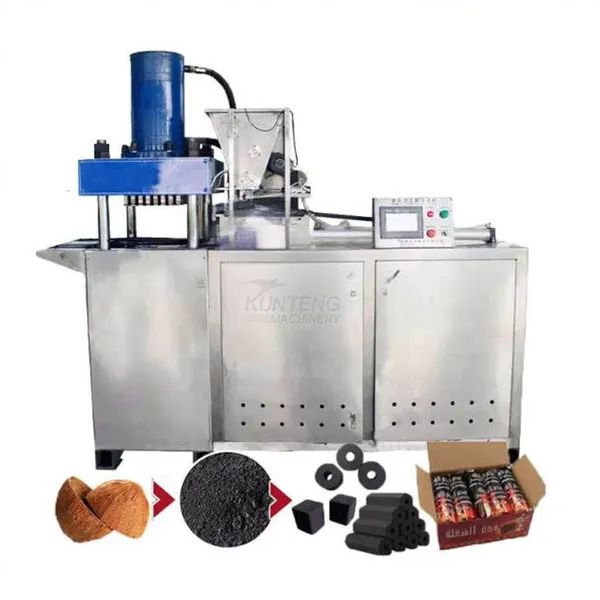
Eco-friendly Coconut Shell Charcoal Briquette Making Machine Charcoal Press Machine Bbq Charcoal Production LineNegotiableMOQ: 1 Set
-
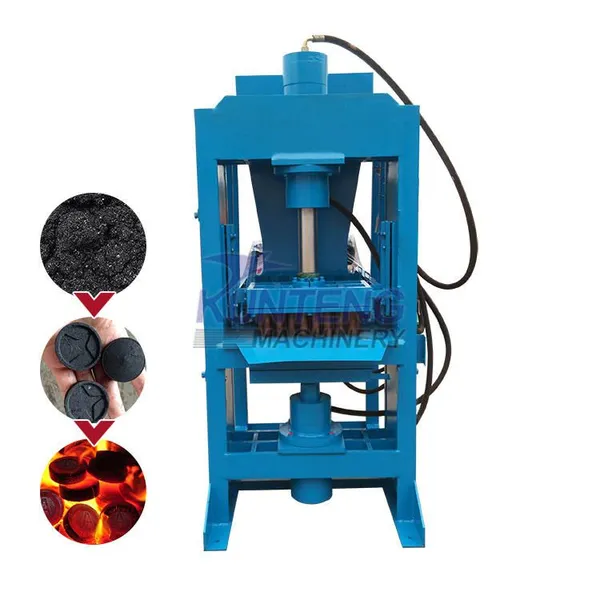
Full Automatic Coconut Charcoal Hydraulic Press Machines Sawdust Charcoal Briquette Machines Biomass Charcoal Briquette MachineNegotiableMOQ: 1 Set
-
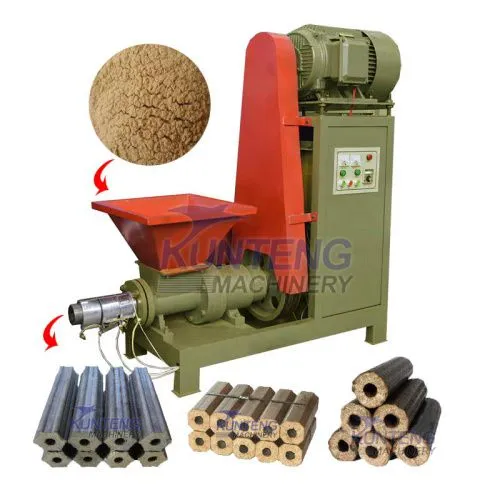
Corn Stalk Briquette Making Machine Chicken Manure Biomass Briquetting Extruder Press MachineNegotiableMOQ: 1 Set
-
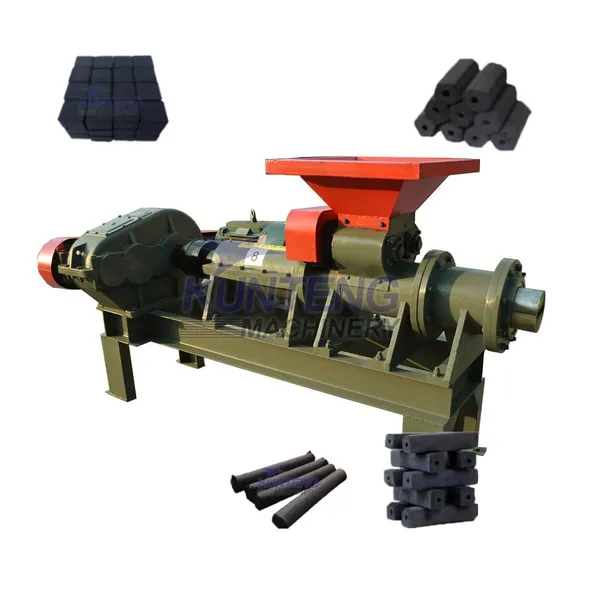
Small Scale Charcoal Briquette Making Machine Compressed Coal Industry Machines Automatic Extruder Production LineNegotiableMOQ: 1 Set
-
Automatic Eco-Friendly Vertical Hosting Carbonization Furnace Horizontal Sawdust Carbonizer FurnaceNegotiableMOQ: 1 Set
-
Eco-friendly Charcoal Making Machine Carbonization Furnace Continous Carbonization StoveNegotiableMOQ: 1 Set
-
Coal Press Machine Can Customize Honeycomb Coal Forming Machine Commercial Forming MachineNegotiableMOQ: 1 Set
-
Large Commercial High Productivity Freeze Drier Dryer LyophilizerNegotiableMOQ: 1 Set
-
Monoblock Freezer Blower -18c Cold Storage Cold Room Kits CoolingNegotiableMOQ: 1 Set
-
Professional Air Flow Separation Machines Air Separation System for Waste SortingNegotiableMOQ: 1 Set
-
Smokeless Waste Incineration Machine Garbage IncineratorNegotiableMOQ: 1 Set
-
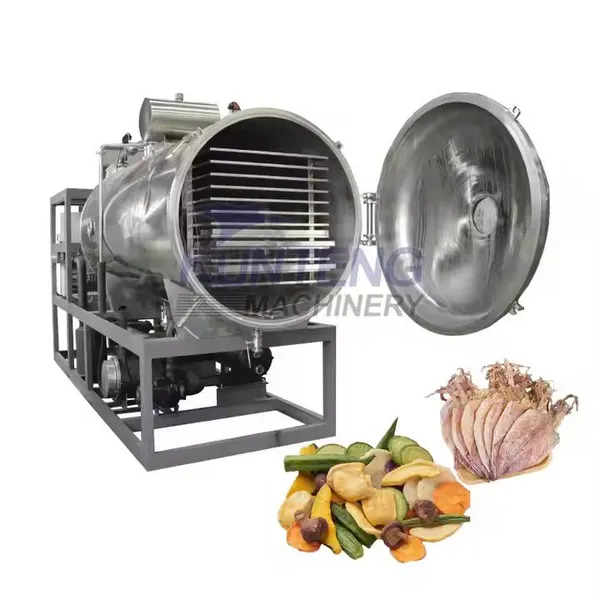
Fruit and Vegetable Drying Processing Machine Grape Raisin Drying Machine Mango Dryer MachineNegotiableMOQ: 1 Set
-
Trommel Screen Machine Construction Waste Sorting EquipmemtsNegotiableMOQ: 1 Set
-
Municipal Solid Waste Converts to RDF Machines Waste Plastic to Fuel Machine Waste Recycling PlantNegotiableMOQ: 1 Set
-
High Capacity Teak Drying Chamber Timber Formwork Dry Machine Wood Drying EquipmentNegotiableMOQ: 1 Set
-
Smart Waste Plastic Crusher and Baler Machine Recycling Machine for Plastic Waste to Make BricksNegotiableMOQ: 1 Set
-
New Design Waste Separation Machine Trommel Screen Machine for Rubbish Garbage Sorting Plant LineNegotiableMOQ: 1 Set