
 Business License
Continuous Rotary Carbonization Furnace: A Buyer's Guide
If your operation is still relying on intermittent drum kilns or batch retorts, the bottleneck is no longer just labor or fuel—it is the structural inability to turn biomass waste into consistent, saleable carbon at industrial scale. The global biomass carbonizer market was valued at approximately US$182 million in 2025 and is projected to reach US$376 million by 2032, expanding at a CAGR of 10.8%. A Biomass Wood Carbonization Furnace built on continuous rotary architecture is no longer a niche upgrade; it is the baseline for buyers who need predictable output, verifiable emissions compliance, and a product that qualifies for carbon-credit markets.
The Industry Shift: Why Batch Carbonization No Longer Fits
The carbonization sector is moving away from “make charcoal when the kiln is ready” toward continuous, measurable, and auditable production. Three forces are driving this transition.
Volume demand is scaling. GEP Research estimates the global straw carbonization market alone at US$4.87 billion in 2025, with a 9.4% CAGR through 2026, driven by biochar applications in soil amendment, water treatment, and increasingly, battery anode precursors.
Carbon markets reward consistency. High fixed-carbon biochar with a controlled porous structure is what qualifies for carbon sequestration and credit verification. Batch kilns produce variable char—continuous systems produce a repeatable specification.
Emissions scrutiny is tightening. Traditional kilns emit dense smoke and operate intermittently, which is incompatible with modern environmental permitting. A Charcoal Carbonization Smokeless Carbon Production Line integrates flue-gas recycling and purification, converting combustible syngas back into process heat rather than releasing it.
The practical consequence: buyers who stay on batch equipment face rising unit costs, inconsistent product quality, and increasing difficulty qualifying for premium or carbon-linked offtake agreements.
How a Continuous Rotary Furnace Solves the Operational Gap
A continuous rotary carbonization furnace is not a scaled-up batch kiln. It is a different production logic. The reactor rotates under sealed, oxygen-limited conditions, while material moves through heating, carbonization, and discharge zones without stopping.
Four operational differences matter to a B2B buyer:
24-hour uninterrupted production. Feeding and discharging occur simultaneously. There is no heat-up/cool-down cycle between batches, which means energy is not spent reheating the reactor after every cycle.
Energy self-sufficiency after startup. Pyrolysis gas produced inside the reactor is captured and burned to sustain the process. Once the system reaches operating temperature, external fuel input is largely eliminated, lowering the per-ton energy cost.
Uniform carbonization for mixed feedstocks. Sealed rotary heating distributes heat evenly across particles, reducing under-carbonized cores and over-burned fines. This matters when you are running an Agricultural Waste Charcoal Making Machine Production Line with variable feed—rice husk, coconut shell, palm kernel shell, sawdust, or sugarcane bagasse.
Smokeless operation as a design outcome, not an add-on. Flue-gas recycling, dust removal, and purification are integrated into the gas path. The result is a smokeless carbon production line that meets emissions requirements without relying on downstream dilution.
Capacity is customizable, typically from 0.5 t/h to 10 t/h, allowing a single supplier to match pilot-scale validation and full industrial output within the same equipment platform.
How to Maintain a Continuous Carbonization Line for Stable Yield
The question that separates buyers who achieve rated capacity from those who struggle is not the furnace specification—it is how to prevent unplanned downtime in an agricultural waste charcoal making machine production line. Continuous operation means wear and fouling accumulate silently. A preventive routine built around five checkpoints protects yield and extends reactor life.
Follow this sequence weekly and after every feedstock change:
Inspect the feeding system first. Check conveyors, screw feeders, and seals for blockage or air leakage. Oxygen ingress at the feed point disrupts the oxygen-limited environment and lowers fixed carbon.
Monitor reactor shell and lining. Look for cracks, deformation, or discoloration from localized overheating. Damaged insulation raises fuel consumption before it shows up in output quality.
Clean the condensation and tar path. Tar accumulation in condensers and gas lines reduces cooling efficiency and can raise system pressure. Routine cleaning also improves by-product recovery.
Verify burner and syngas lines. If the system recycles pyrolysis gas, blocked nozzles or unstable flame directly affect temperature stability inside the reactor.
Calibrate temperature and pressure sensors. Continuous operation depends on automated control. Drifting sensors erode the temperature profile that determines carbon yield and volatile content.
A disciplined maintenance schedule is not overhead—it is the mechanism that converts a continuous furnace’s rated capacity into actual monthly output.
Real Deployment: What Continuous Carbonization Delivers
Specifications describe potential; deployments show what the equipment actually produces under commercial conditions.
Bamboo processing waste, China. A continuous carbonization system designed for a bamboo products manufacturer increased carbonization efficiency by 40% and reached an annual processing capacity of 1,500 tons, converting what was previously a disposal burden into a revenue-generating carbon product.
5 t/h agricultural residue project, Ghana. A continuous biomass carbonization machine was configured for 24-hour uninterrupted feeding and discharge, with temperature and oxygen control targeted at high fixed-carbon biochar suitable for international carbon-credit project standards. The client’s objective was not charcoal volume alone—it was entry into carbon sequestration markets through consistent, verifiable biochar output.
The pattern across deployments is consistent: the value of a continuous line is not just higher throughput. It is the ability to commit to a product specification, a delivery schedule, and an emissions profile that batch equipment cannot guarantee.
FAQ: What Buyers Ask Before Committing
Q: What is the minimum order quantity for a continuous rotary carbonization furnace?
A single set is sufficient for most configurations. Continuous carbonization equipment is built to order around the buyer’s feedstock, target capacity, and site conditions, so the “MOQ” is one engineered production line rather than a container-load of standardized units.
Q: What is the typical delivery lead time?
Lead time depends on capacity and customization scope. Standard configurations can ship within approximately 15 working days when components are in stock; larger or customized lines—particularly those requiring feedstock-specific reactor design or extended flue-gas treatment—typically require 1 to 3 months for engineering, fabrication, and pre-shipment testing.
Q: Can the furnace be customized for a specific feedstock or output specification?
Yes. Continuous rotary furnace suppliers routinely customize reactor geometry, temperature profile, residence time, and gas-handling configuration for different biomass inputs—coconut shell, palm kernel shell, rice husk, bamboo, sawdust, and mixed agricultural residue—as well as for target carbon specifications such as fixed-carbon content or intended end use.
Next Step: Specify the Line Around Your Feedstock, Not a Generic Catalog
The decision that determines whether a continuous carbonization project succeeds is not the brand of the furnace—it is whether the reactor, gas path, and discharge system are matched to what you will actually feed it and what you need to sell. A Biomass Wood Carbonization Furnace configured without that alignment becomes an expensive source of downtime.
If you are evaluating a continuous line, begin with three inputs: your dominant feedstock and its variability, your target output specification (fixed carbon, intended application, carbon-credit eligibility), and your site’s emissions and utility constraints. Those three parameters determine the reactor design, the capacity range, and the level of gas purification required—and they are the basis on which a supplier can provide a meaningful technical proposal rather than a generic quotation.
Recently Posted
-
Large Capacity Charcoal Ball Briquette Machine: Cut Binder Cost
November 18, 2026Binder cost is the single line item most likely to decide whether a coal powder briquette making machine pays for itself. In coal Read More
-
Extruding Biomass Briquettes: Rice Husk Profit Guide
November 16, 2026Published on 16 November 2026Rice husk is one of the most abundant and problematic agricultural residues in Asia-Pacific. It is lo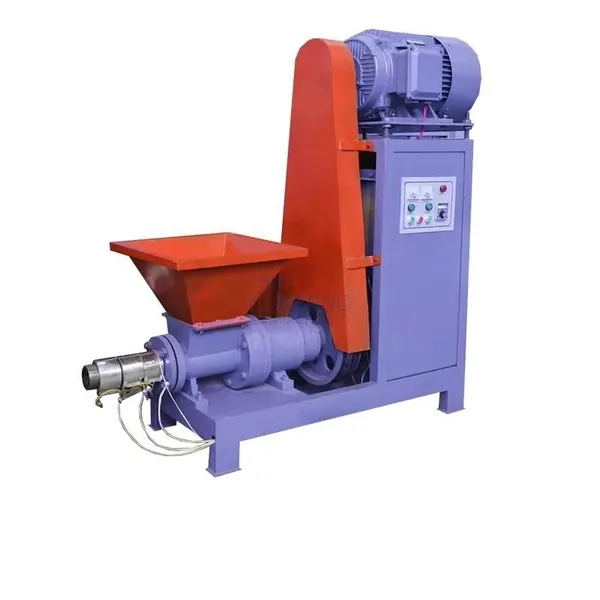 Read More
-
Animal Dung Pellet Maker: From Waste to Fuel
November 13, 2026Every poultry or dairy operation faces the same quiet arithmetic: the birds and cattle keep producing litter, and the disposal bil Read More
-
Mesh Belt Forage Grass Dryer: Cut Alfalfa Losses
November 12, 2026Every hour that cut alfalfa sits in the field, its most valuable fraction—the leaves—is disappearing. A raking pass alone can stri Read More

Contact Us
Recommended Products
-
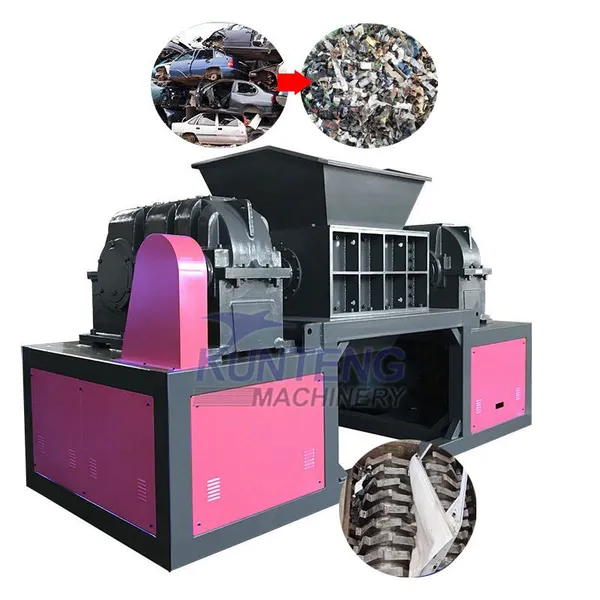
 Continuous Heavy Metals Shredder Damaged Cars Crusher HMS Heavy Melting Steel Scrap Wire MS Iron ShredderNegotiableMOQ: 1 Set
-
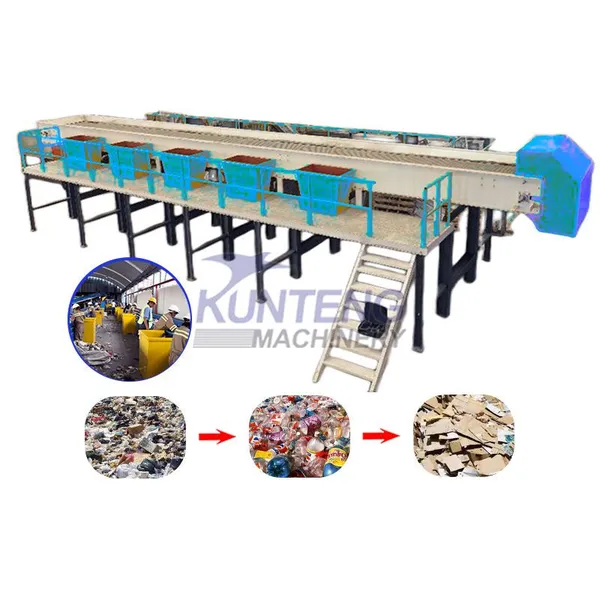
Large Dustbin for Sorting Table With Scrapshoot Hole Waste Segregation Machine Sorting LineNegotiableMOQ: 1 Set
-
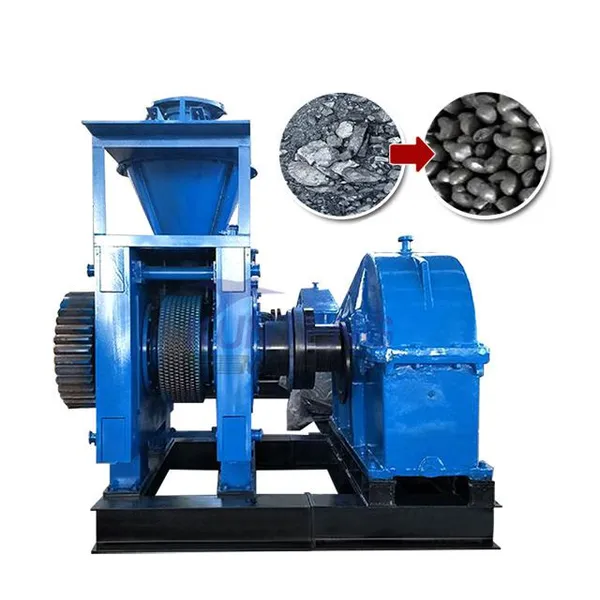
High Productivity Iron Ore Powder Ball Press Machine Mineral Soil Silicon Powder Briquetting MachineNegotiableMOQ: 1 Set
-
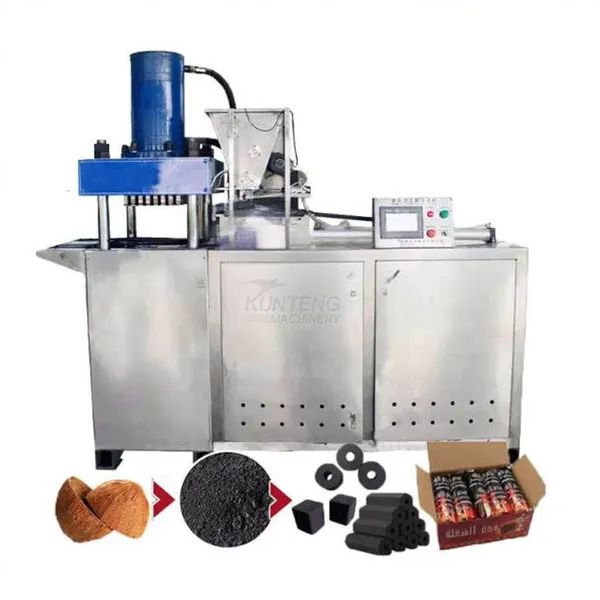
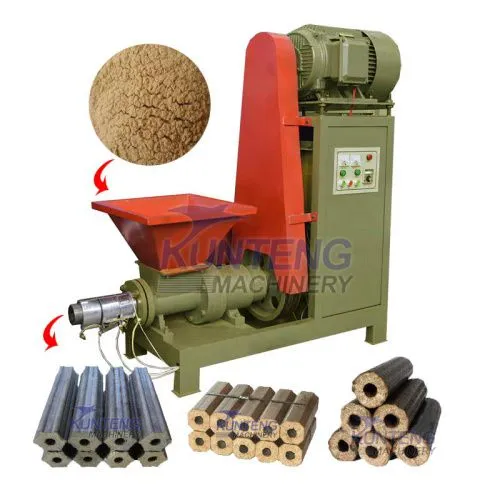
Eco-friendly Coconut Shell Charcoal Briquette Making Machine Charcoal Press Machine Bbq Charcoal Production LineNegotiableMOQ: 1 Set
-
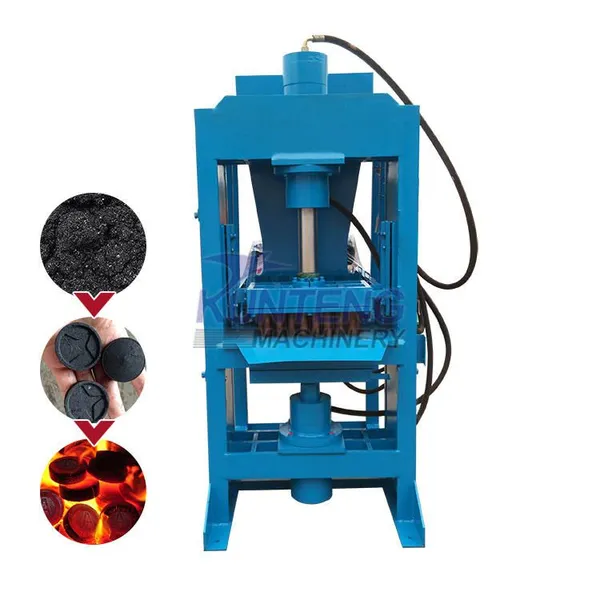
Full Automatic Coconut Charcoal Hydraulic Press Machines Sawdust Charcoal Briquette Machines Biomass Charcoal Briquette MachineNegotiableMOQ: 1 Set
-
Corn Stalk Briquette Making Machine Chicken Manure Biomass Briquetting Extruder Press MachineNegotiableMOQ: 1 Set
-
Small Scale Charcoal Briquette Making Machine Compressed Coal Industry Machines Automatic Extruder Production LineNegotiableMOQ: 1 Set
-
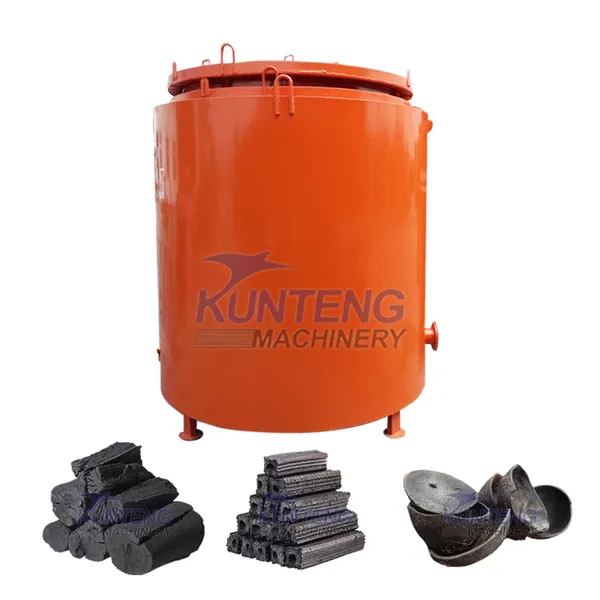
Automatic Eco-Friendly Vertical Hosting Carbonization Furnace Horizontal Sawdust Carbonizer FurnaceNegotiableMOQ: 1 Set
-
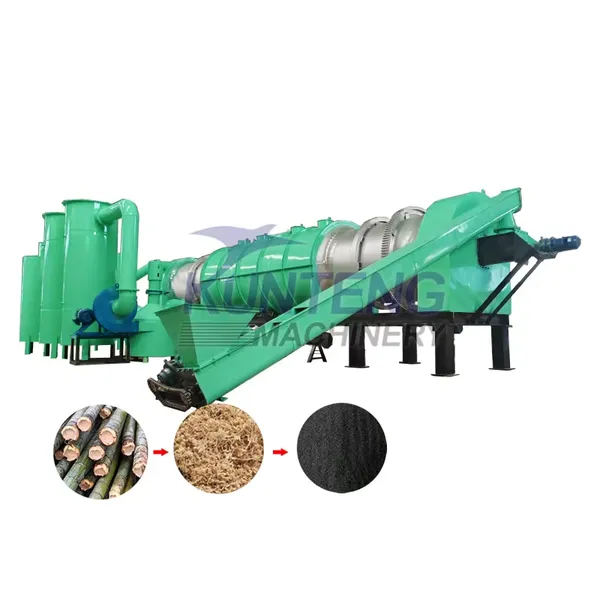
Eco-friendly Charcoal Making Machine Carbonization Furnace Continous Carbonization StoveNegotiableMOQ: 1 Set
-
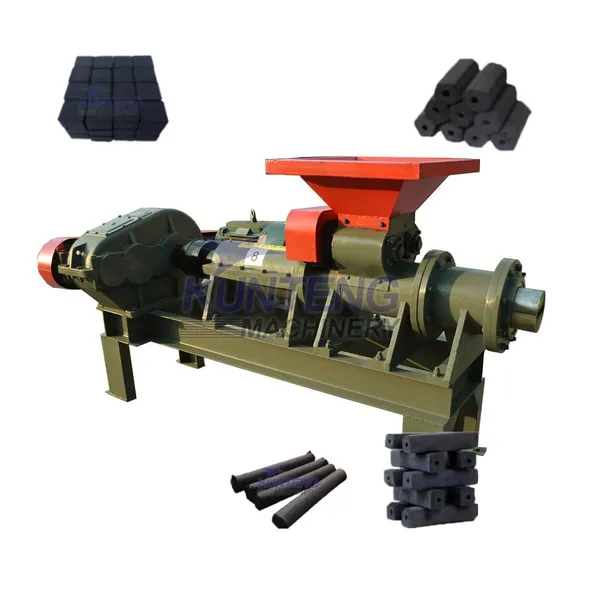
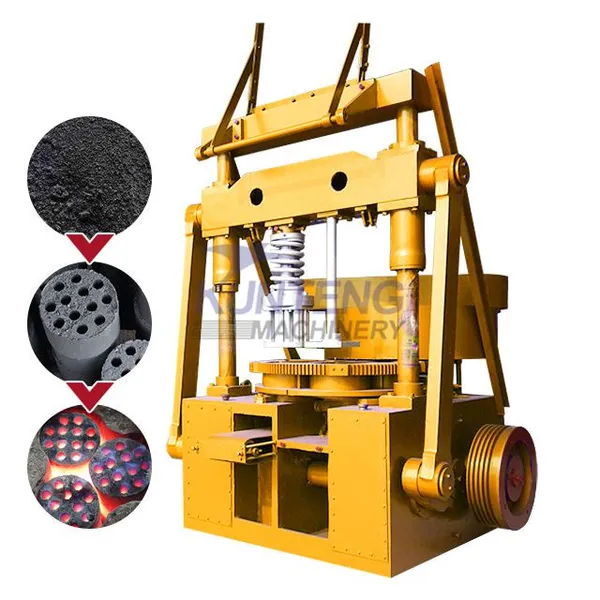
Coal Press Machine Can Customize Honeycomb Coal Forming Machine Commercial Forming MachineNegotiableMOQ: 1 Set
-
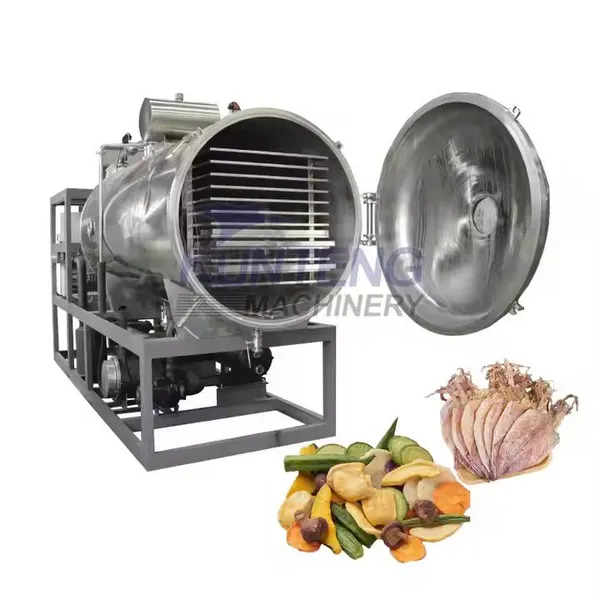
Large Commercial High Productivity Freeze Drier Dryer LyophilizerNegotiableMOQ: 1 Set
-
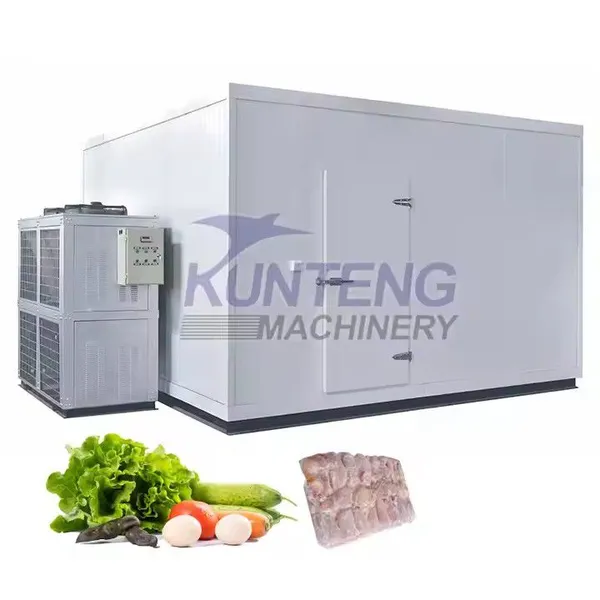
Monoblock Freezer Blower -18c Cold Storage Cold Room Kits CoolingNegotiableMOQ: 1 Set
-
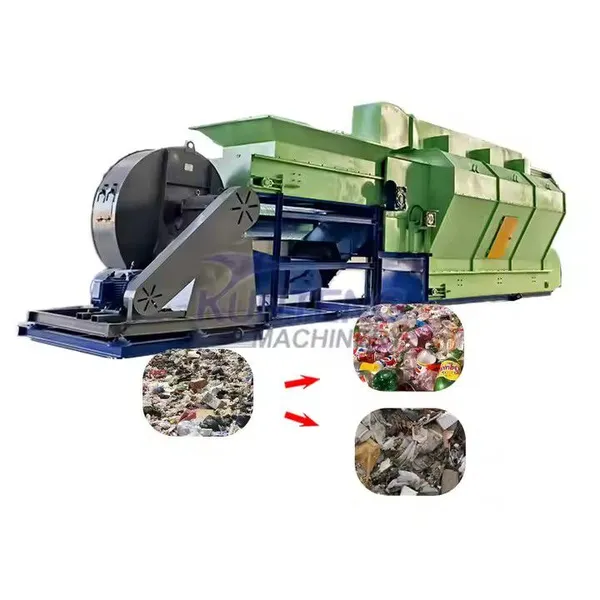
Professional Air Flow Separation Machines Air Separation System for Waste SortingNegotiableMOQ: 1 Set
-
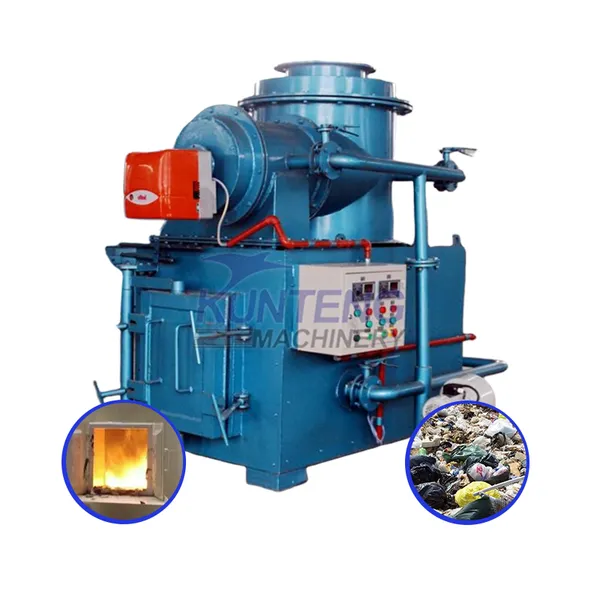
Smokeless Waste Incineration Machine Garbage IncineratorNegotiableMOQ: 1 Set
-
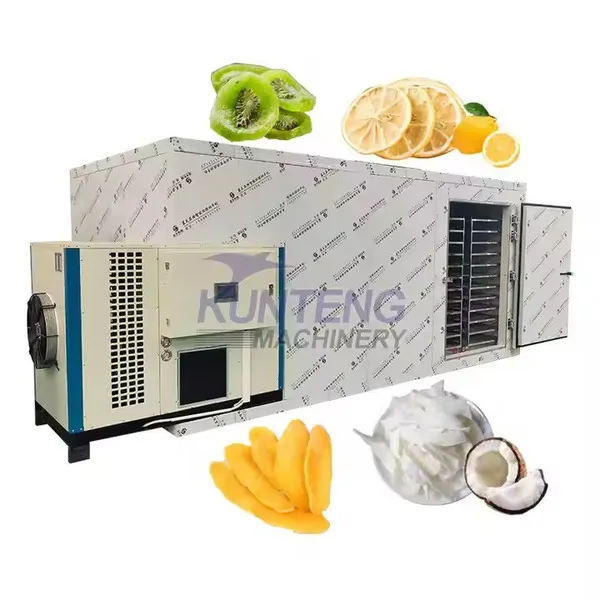
Fruit and Vegetable Drying Processing Machine Grape Raisin Drying Machine Mango Dryer MachineNegotiableMOQ: 1 Set
-
Trommel Screen Machine Construction Waste Sorting EquipmemtsNegotiableMOQ: 1 Set
-
Municipal Solid Waste Converts to RDF Machines Waste Plastic to Fuel Machine Waste Recycling PlantNegotiableMOQ: 1 Set
-
High Capacity Teak Drying Chamber Timber Formwork Dry Machine Wood Drying EquipmentNegotiableMOQ: 1 Set
-
Smart Waste Plastic Crusher and Baler Machine Recycling Machine for Plastic Waste to Make BricksNegotiableMOQ: 1 Set
-
New Design Waste Separation Machine Trommel Screen Machine for Rubbish Garbage Sorting Plant LineNegotiableMOQ: 1 Set