
 Business License
Horizontal Carbonization Furnace: Log & Bamboo Guide
Published on 26 October 2026
If you process logs, bamboo, or bulk woody biomass and still rely on traditional brick kilns or makeshift earth mounds, the bottleneck is rarely the raw material—it is the carbonization step itself. A horizontal carbonization furnace sits at the center of this decision: it is the batch-batch option built specifically for long, irregular feedstock that vertical cages and continuous pipelines cannot handle cleanly. This guide breaks down where the smokeless carbon making machine category fits in the 2026 charcoal supply chain, how a multifunctional horizontal log wood carbonization machine equipment compares against alternatives, and the operational checks that determine whether a high capacity charcoal stove pays for itself on schedule.
Why the Charcoal Supply Chain Is Shifting Toward Controlled Carbonization
The global charcoal market was valued at $5.86 billion in 2025 and is projected to reach $6.27 billion in 2026, growing at a CAGR of 7%, according to The Business Research Company's Charcoal Market Report 2026. Growth is not the problem. The problem is how that charcoal is made.-1
Research and Markets' 2026–2031 charcoal analysis notes that traditional earth kilns and informal production methods are “progressively being challenged by improved kilns, retort systems, and continuous carbonization technologies that enhance yield and reduce smoke, particulate emissions, and volatile organic compound release”. Buyers are increasingly specifying certified feedstock, controlled carbonization technologies, and low-ash charcoal, which pushes producers toward equipment with measurable process control rather than open-air burning.
Three pressures hit log-and-bamboo processors hardest:
Yield loss. Traditional kilns typically deliver charcoal yields of only 25–30 mass%—for every ton of wood loaded, roughly 70% of raw material value is lost as gas, tar, and unburned residue.-30
Labor intensity. A traditional batch kiln may require five or more workers across a 6-to-24-hour cycle, with idle time between batches that erodes margin.-30
Regulatory exposure. Fugitive smoke, carbon monoxide, methane, and volatile organic compounds are regulated in many jurisdictions; a single complaint or inspection can halt an operation that lacks controlled combustion and gas handling.-30
For producers whose feedstock is whole logs, thick branches, bamboo segments, or whole coconut shells, the equipment choice narrows quickly: continuous furnaces demand particles under 10 cm, while vertical hoist kilns work but require crane loading and tighter headroom. That is the gap a horizontal furnace fills.-14
How a Horizontal Carbonization Furnace Solves the Log-and-Bamboo Problem
A horizontal furnace is a jacketed batch oven on its side. Loading cages slide in and out at ground level, which removes the need for a crane and reduces lifting labor on sites with low ceilings or small crews. The multifunctional horizontal log wood carbonization machine equipment design accepts feedstock that would choke a continuous line: logs, bamboo stalks, coconut shells, peanut shells, and fruit pits can all be charged directly.-14
The capacity envelope is the key operational variable. Current horizontal models process 900–3,000 kg per 12–14-hour charge, depending on chamber diameter: an SL-1300 handles roughly 900–1,200 kg, an SL-1500 takes 1,500–2,000 kg, and an SL-1900 reaches 2,500–3,000 kg per batch. For a producer targeting 1–3 tonnes of finished charcoal per day from logs or bulk bamboo, this batch profile maps more directly onto feedstock reality than either vertical or continuous alternatives.-14
The smokeless dimension is not a marketing label—it is a gas-loop design. Once the charge passes roughly 280 °C, combustible gases released during carbonization are piped back and burned as the furnace's own heat source, so later hours of the cycle consume very little external fuel. A separate gas recovery and combustion path, combined with seal integrity at the furnace door and flue interface, is what separates a controlled smokeless carbon making machine from a batch kiln that vents visible smoke.-14
Performance data from horizontal installations supports the quality case. A horizontal furnace project in Brazil reported an apparent yield of 32.5% from raw woody biomass, rising to 34.9% with fixed carbon at 73.5% under optimized operation. A Bhutan client using a horizontal unit measured fixed carbon readings of 78–83% depending on feedstock, with lump charcoal output showing consistent color and low ash.
How to Match a Horizontal Furnace to Your Feedstock and Site
Choosing the right horizontal configuration is a sequence of site-and-material decisions, not a catalog lookup. The following steps reflect the selection logic used across batch carbonization projects.
Step 1: Confirm your feedstock qualifies for horizontal processing.
Horizontal furnaces are the correct batch choice when the material is long, bulky, or irregular—logs, thick branches, bamboo segments, whole coconut shells, or large fruit pits. If your feedstock is already below 10 cm and dry (rice husk, sawdust, palm shell fragments), a continuous furnace will typically outpace a batch unit on daily tonnage. If whole logs are the primary input, horizontal is the starting point.-14
Step 2: Size the chamber against your daily charcoal target, not raw material tonnage.
A horizontal batch runs 12–14 hours per charge. To estimate daily output, divide your target finished charcoal by the expected yield from your wood species and moisture level, then match the chamber volume to the resulting raw charge weight. A 1–3 tonne-per-day log operation sits squarely in the SL-1300 to SL-1900 range; a smaller operation can step down to a compact chamber without losing the ground-level loading advantage.-14
Step 3: Verify the gas loop and seal specification before price comparison.
The carbonization gas return line, door gasket material, and flue interface seal determine both smoke performance and fuel consumption. High-temperature rock wool door sealing is used on horizontal units to prevent air ingress, which protects yield and reduces the risk of uncontrolled combustion. A furnace that lacks a functioning gas return path will burn external fuel through the entire cycle and emit more visible smoke.
Step 4: Build a maintenance schedule around the three highest-failure components.
Sealing system. Check furnace door, inlet, and outlet seals at least quarterly; daily checks of door and flue gaskets can prevent a large share of sudden failures.
Burner and fuel line. Inspect the burner for blockage or damage and verify fuel piping and valves on a routine basis; a fouled burner distorts the heating curve and extends batch time.
Refractory and interior. Clean ash and charcoal residue monthly, and inspect liner plates and welds for cracks during scheduled shutdowns; quarterly replacement of refractory crack filler protects the shell from progressive corrosion.
Step 5: Confirm customization dimensions before placing the order.
Horizontal furnace suppliers commonly accept MOQ of 1 set, with customizable chamber volume, voltage, and discharge configuration. For log and bamboo operations, chamber length and internal diameter are the two dimensions that must match your longest feedstock and batch weight target. Stock configurations ship faster; customized voltage or chamber geometry typically adds production time.-42
What a Horizontal Furnace Delivers in Practice
A Brazil-based horizontal carbonization project illustrates the batch profile in operation. The client needed to process eucalyptus logs and bamboo stalks without crane infrastructure. The ground-level rail loading allowed the charge to be built directly at the chamber mouth, and the gas return loop carried the heating load after the initial warm-up. Measured yield reached 34.9% with fixed carbon at 73.5% on the optimized run—figures that sit well above the 25–30% yield band associated with traditional kilns.-30
For buyers modeling payback, horizontal batch equipment sits in the broader carbonization investment picture rather than at the extreme low end. Equipment budgets for carbonization systems commonly fall in the USD 12,000–95,000 range, and payback on machine investment is typically 12–30 months where feedstock is cheap and locally sourced. A separate India rice-husk carbonization project—continuous rather than horizontal—projected a 14–18 month payback through biochar sales and waste-disposal savings, which shows the order of magnitude that controlled carbonization can unlock when output finds a reliable buyer.-52
The operational difference buyers report most consistently is loading simplicity. Because the horizontal chamber sits close to the ground and uses sliding cages, the crane dependency and vertical lifting labor that define hoist kiln operation disappear from the batch cycle. That matters on sites where skilled operators are scarce or where the building height cannot accommodate a hoist frame.-14
Frequently Asked Questions from B2B Buyers
What is the minimum order quantity for a horizontal carbonization furnace?
Most manufacturers list MOQ at 1 set, and single-unit orders are standard for pilot or first-phase production lines. Customization of chamber size, voltage, and discharge arrangement is available at the single-unit level, though custom builds extend production time.-42
What is the typical lead time, and how does customization affect it?
Stock configurations commonly ship in 15 days, while customized chamber dimensions or electrical specifications can extend the production window to 25–45 days depending on factory scheduling. Buyers should confirm whether the quoted lead time includes factory testing and accessory matching, not just fabrication.-42
Can a horizontal furnace handle both logs and bamboo in the same unit?
Yes. The horizontal chamber accepts logs, bamboo segments, coconut shells, and fruit pits without a feedstock change, provided the chamber dimensions accommodate the longest material. The practical constraint is batch weight and loading geometry, not material type. A supplier should confirm the maximum piece length and recommend chamber diameter against your specific mix.-14
Next Step: Match the Furnace to Your Feedstock, Not the Other Way Around
A horizontal carbonization furnace is not the right answer for every biomass stream—but for log, bamboo, and whole-shell processors working at 1–3 tonnes per day, it is the batch format that aligns with how the feedstock actually arrives. The selection work belongs upstream of the purchase order: confirm the material size envelope, calculate the daily charcoal target from realistic yield, and specify the gas-return and sealing package that keeps smoke and fuel consumption under control.
If you are comparing furnace formats for a specific raw material and daily output, start by mapping your feedstock dimensions and moisture level against the horizontal capacity bands above. That single step separates a furnace that runs to its rated cycle from one that sits half-loaded or extended past its economic batch time.
Recently Posted
-
How to Choose a Walk-in Cold Room That Cuts Downtime
October 23, 2026A Walk-in Cold Room is no longer a passive box at the back of a warehouse. For food distributors, processors, and cold-chain opera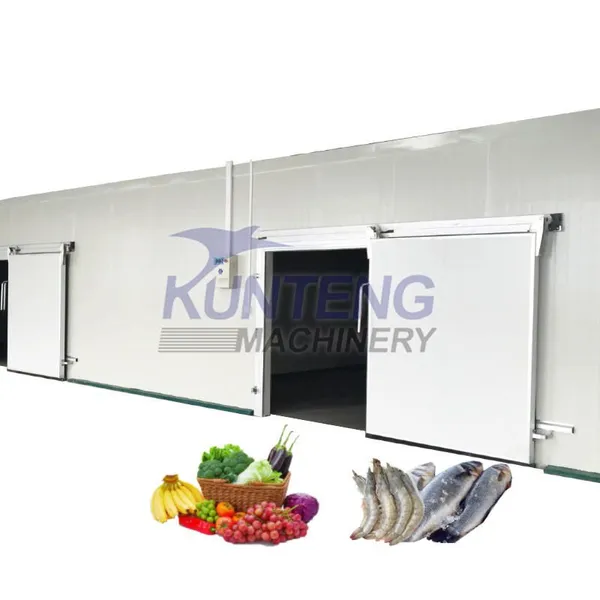 Read More
-
Stainless Steel Hydraulic Briquette Machine: A B2B Buyer’s Guide
October 22, 2026Published on October 22, 2026If you produce charcoal fines, coal dust, or shisha cubes, inconsistent briquette density and frequen Read More
-
Municipal Waste Compost Sieve Machine Guide
October 21, 2026Published on 21 October 2026Municipal Waste Compost Sieve Machine GuideMunicipal composting operations face a narrowing margin for Read More
-
Manual Sorting Platform for MSW Recycling Lines
October 21, 2026Published on 21 October 2026Incoming contamination at material recovery facilities often hovers around 15%, while outgoing bale sp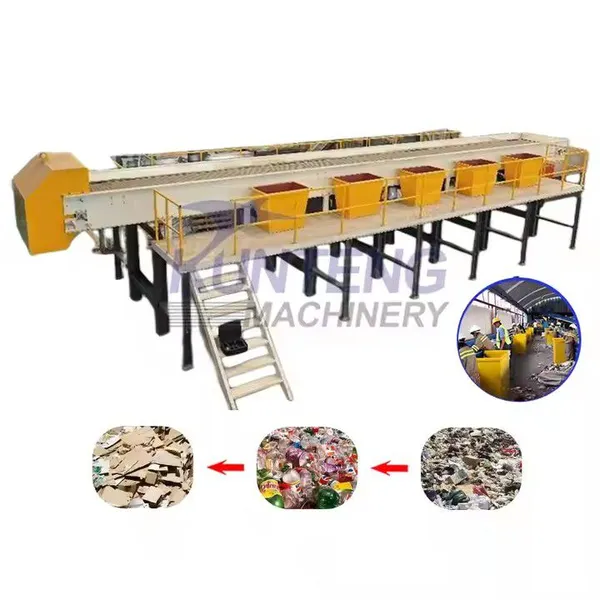 Read More

Contact Us
Recommended Products
-
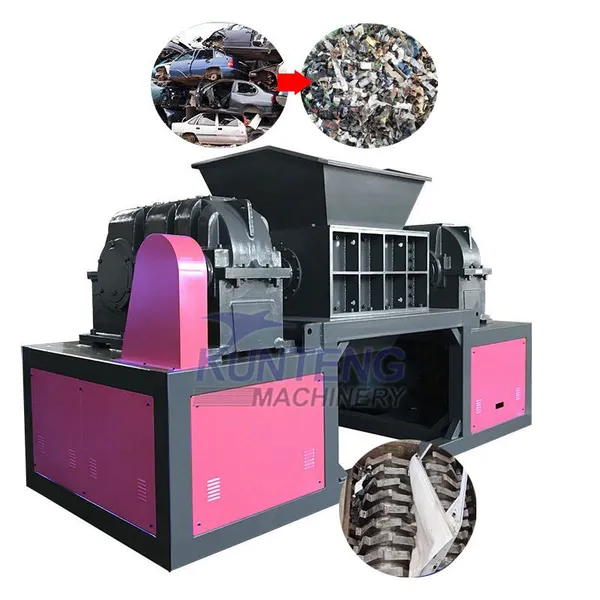
 Continuous Heavy Metals Shredder Damaged Cars Crusher HMS Heavy Melting Steel Scrap Wire MS Iron ShredderNegotiableMOQ: 1 Set
-
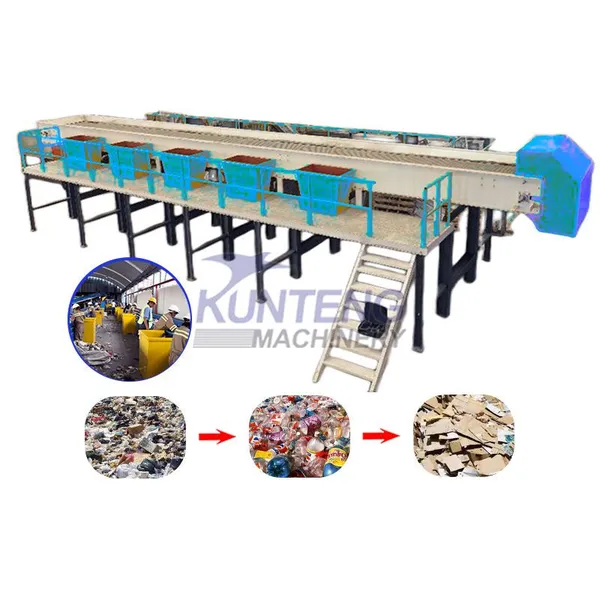
Large Dustbin for Sorting Table With Scrapshoot Hole Waste Segregation Machine Sorting LineNegotiableMOQ: 1 Set
-
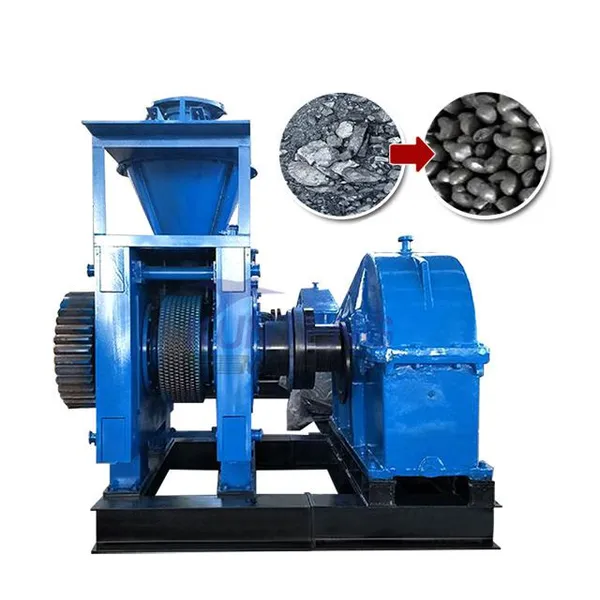
High Productivity Iron Ore Powder Ball Press Machine Mineral Soil Silicon Powder Briquetting MachineNegotiableMOQ: 1 Set
-
Eco-friendly Coconut Shell Charcoal Briquette Making Machine Charcoal Press Machine Bbq Charcoal Production LineNegotiableMOQ: 1 Set
-
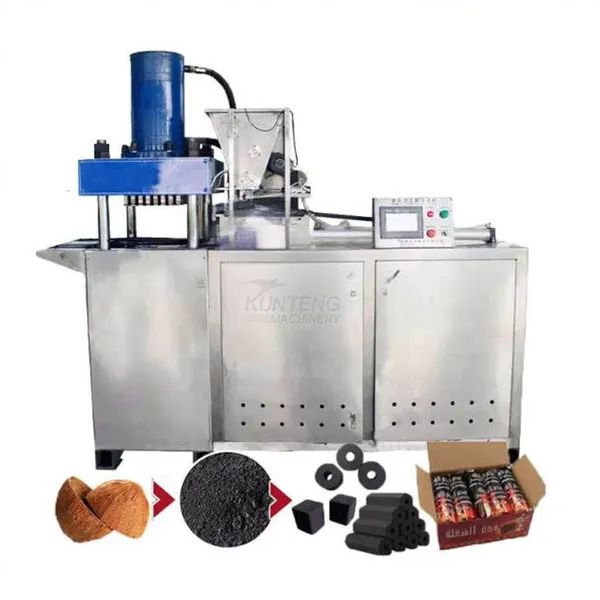
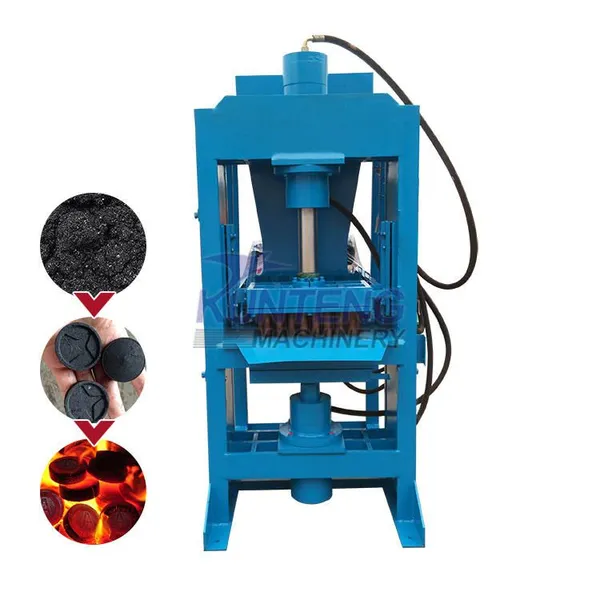
Full Automatic Coconut Charcoal Hydraulic Press Machines Sawdust Charcoal Briquette Machines Biomass Charcoal Briquette MachineNegotiableMOQ: 1 Set
-
Corn Stalk Briquette Making Machine Chicken Manure Biomass Briquetting Extruder Press MachineNegotiableMOQ: 1 Set
-
Small Scale Charcoal Briquette Making Machine Compressed Coal Industry Machines Automatic Extruder Production LineNegotiableMOQ: 1 Set
-
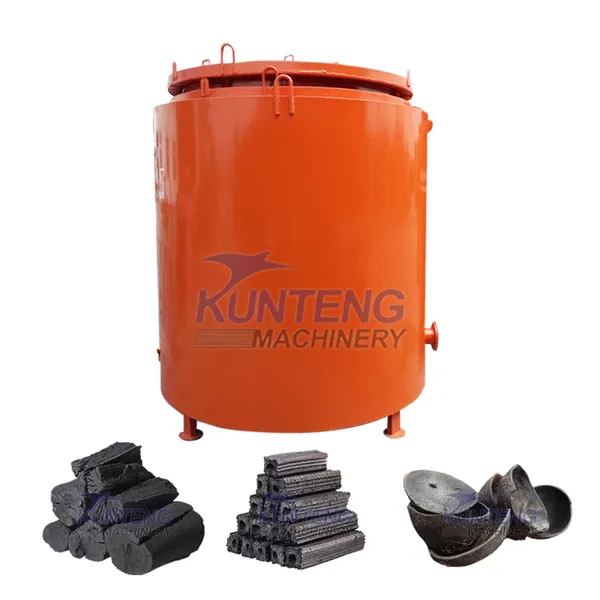
Automatic Eco-Friendly Vertical Hosting Carbonization Furnace Horizontal Sawdust Carbonizer FurnaceNegotiableMOQ: 1 Set
-
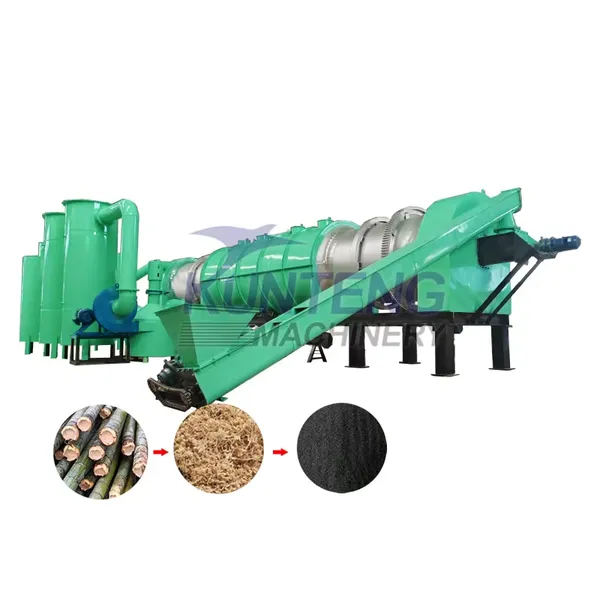
Eco-friendly Charcoal Making Machine Carbonization Furnace Continous Carbonization StoveNegotiableMOQ: 1 Set
-
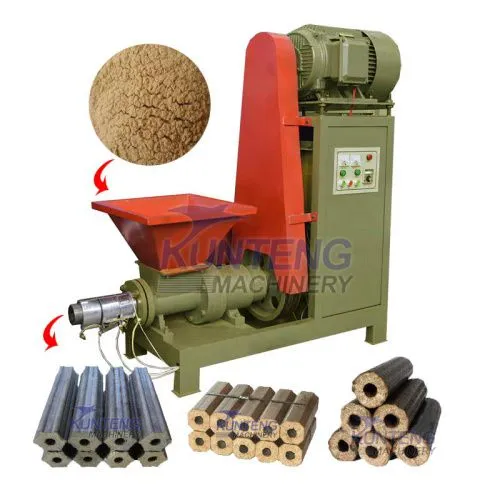
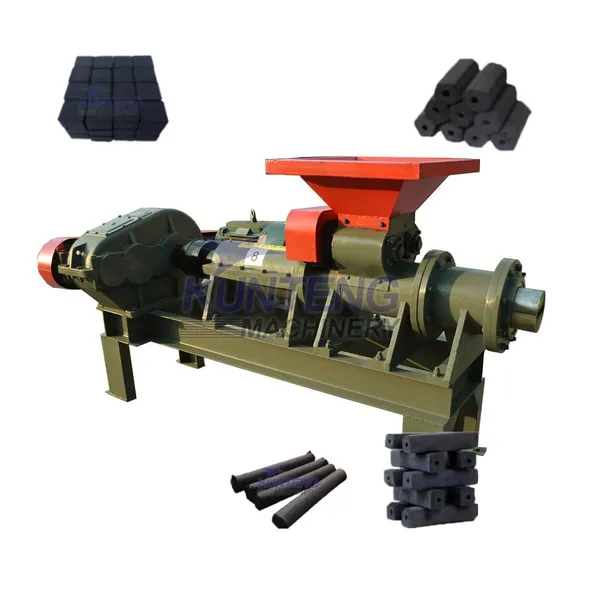
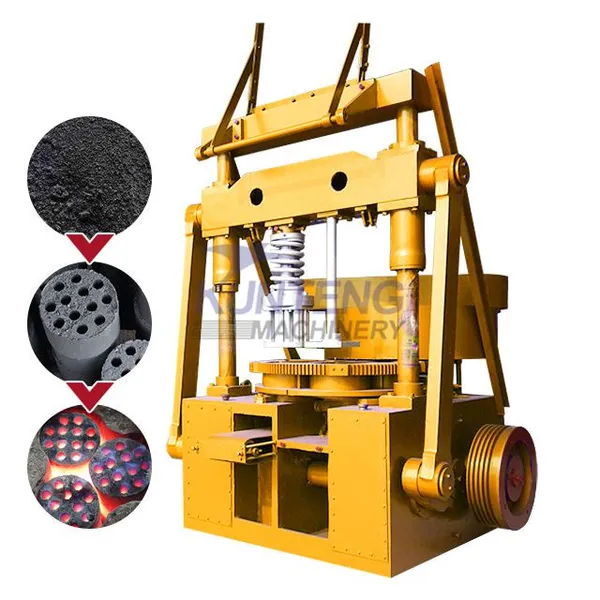
Coal Press Machine Can Customize Honeycomb Coal Forming Machine Commercial Forming MachineNegotiableMOQ: 1 Set
-
Large Commercial High Productivity Freeze Drier Dryer LyophilizerNegotiableMOQ: 1 Set
-
Monoblock Freezer Blower -18c Cold Storage Cold Room Kits CoolingNegotiableMOQ: 1 Set
-
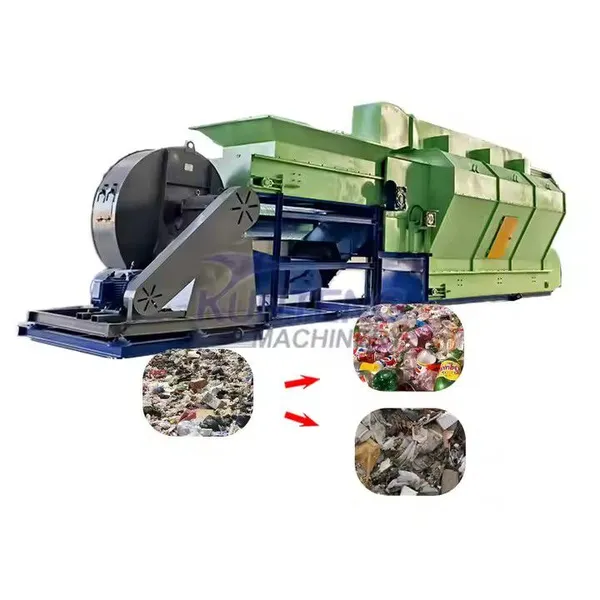
Professional Air Flow Separation Machines Air Separation System for Waste SortingNegotiableMOQ: 1 Set
-
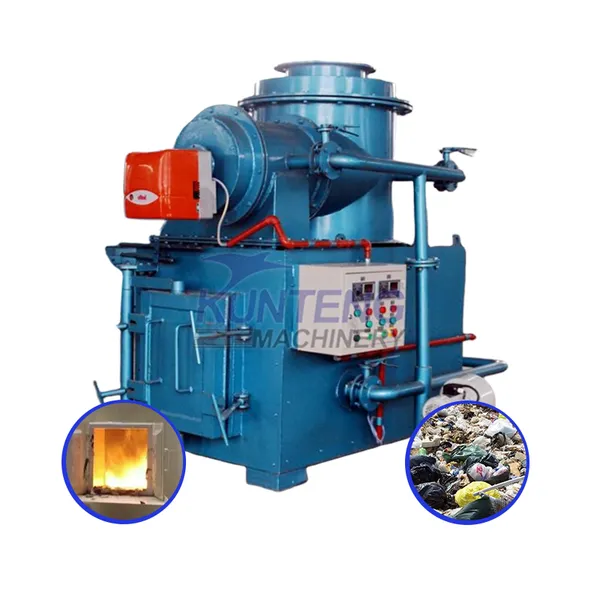
Smokeless Waste Incineration Machine Garbage IncineratorNegotiableMOQ: 1 Set
-
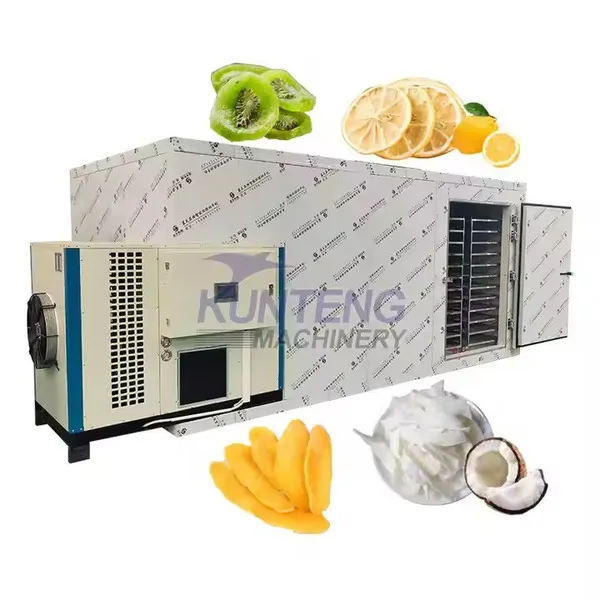
Fruit and Vegetable Drying Processing Machine Grape Raisin Drying Machine Mango Dryer MachineNegotiableMOQ: 1 Set

-
Trommel Screen Machine Construction Waste Sorting EquipmemtsNegotiableMOQ: 1 Set
-
Municipal Solid Waste Converts to RDF Machines Waste Plastic to Fuel Machine Waste Recycling PlantNegotiableMOQ: 1 Set
-
High Capacity Teak Drying Chamber Timber Formwork Dry Machine Wood Drying EquipmentNegotiableMOQ: 1 Set
-
Smart Waste Plastic Crusher and Baler Machine Recycling Machine for Plastic Waste to Make BricksNegotiableMOQ: 1 Set
-
New Design Waste Separation Machine Trommel Screen Machine for Rubbish Garbage Sorting Plant LineNegotiableMOQ: 1 Set