
 Business License

How to Choose a Walk-in Cold Room That Cuts Downtime
A Walk-in Cold Room is no longer a passive box at the back of a warehouse. For food distributors, processors, and cold-chain operators, it is a compliance asset, an energy cost center, and a speed-to-market decision rolled into one. The wrong specification locks a buyer into refrigerant technologies that face phase-out, energy bills that erode margin, and installation timelines measured in months rather than weeks. The right Prefabricated Frozen Room does the opposite: it compresses project schedules, aligns with current efficiency rules, and scales with volume without a full teardown. This guide walks through the regulatory and economic forces reshaping Walk in Freezers, the specification choices that separate a compliant room from a liability, and a step-by-step framework for choosing a prefabricated system that delivers measurable payback.
The Regulatory and Economic Forces Reshaping Cold Storage
The cold storage market is growing at a pace that leaves little room for slow procurement. The Business Research Company's Cold Storage Market Report 2026 puts the global market at $38.65 billion in 2025, rising to $41.78 billion in 2026 at an 8.1% compound annual growth rate, with a projected $58.45 billion by 2030. Grand View Research's separate analysis estimates a larger equipment-inclusive market of $185.75 billion in 2025, expanding at 11.8% CAGR through 2033, driven by organized retail expansion and warehouse automation. Growth of this magnitude does not simply reward capacity; it rewards capacity that can be deployed quickly and operated at a defensible cost.-1-3
Two regulatory fronts make that distinction urgent.
Refrigerant transition. Under the EU F-gas Regulation, since January 1, 2025, self-contained refrigeration equipment containing fluorinated greenhouse gases with a GWP of 150 or more has been restricted from the market. A 2025 technology brief from UNEP and the International Institute of Refrigeration confirms that virtually all walk-in cold room suppliers now offer low- or ultra-low-GWP alternatives such as R-290 and R-600a, but notes that hydrocarbon refrigerants require design restrictions and technician training because of flammability. A Walk-in Cold Room specified with a legacy high-GWP refrigerant in 2026 is a stranded asset in slow motion.-13
Energy performance. In the United States, 10 CFR 431.306 sets federal energy conservation standards for walk-in coolers and freezers, including wall, ceiling, and door insulation minimums of R-25 for coolers and R-32 for freezers, along with automatic door closer requirements. Energy intensity is not marginal: refrigerated warehouses consume roughly 24.9 kWh per square foot per year, about four times a dry warehouse, according to TCG's 2026 construction benchmark. Every specification decision—panel thickness, door gasket quality, defrost strategy—compounds over a ten-to-fifteen-year asset life.-21
The practical challenge for B2B buyers is therefore not simply finding a Prefabricated Frozen Room that holds temperature. It is finding one that satisfies current refrigerant rules, meets efficiency thresholds without over-engineering, and arrives on a timeline that matches commercial commitments.
How a Prefabricated Frozen Room Responds to These Pressures
A Prefabricated Frozen Room built from factory-controlled insulated panels changes the risk profile of a cold storage project in three concrete ways.
Factory quality control replaces site variability. The FAO's cold store evaluation notes that prefabricated panels offer homogeneous walls, a continuous vapour barrier, and erection by labor under supervision that does not require specialist construction trades on site—factors that reduce the risk of moisture ingress and insulation gaps that plague site-built rooms. For a freezer operating at -18°C or colder, a compromised vapour barrier is not a cosmetic defect; it is a future frost-heave and compressor-overload event.-20
Schedule compression. A mid-size site-built IMP freezer room typically takes five to eight months from survey to pulldown, whereas a standard prefabricated walk-in is measured in weeks. The FAO's comparative assessment reaches the same conclusion: prefabricated stores have a shorter erection time than those constructed on site. For a distributor expanding into a new region or replacing a failed room during peak season, the difference between weeks and months is the difference between capturing demand and losing it.-20-21
Scalability without capital lock-in. The UNEP/IIR brief identifies pre-assembled cold rooms, prefabricated kits, refrigerated ISO containers, and custom-built rooms as the four main walk-in formats in use, with prefabricated kits offering a middle path between turnkey assembly and fully bespoke construction. A Walk-in Cold Room that can be expanded panel by panel—or relocated if a lease ends—preserves optionality that a poured-floor, site-built room cannot.-13
On refrigerant compliance, a credible prefabricated supplier should document the refrigerant GWP and confirm design provisions for low-GWP alternatives. The UNEP/IIR brief notes that while R-404A and other HFCs were historically common, the market has shifted toward R-290 and R-600a; buyers should ask for the refrigerant designation and the safety documentation that accompanies hydrocarbon systems.-13
How to Choose a Walk-in Freezer for Food Distribution Without Costly Downtime
The long-tail question that separates serious buyers from catalog browsers is this: how do you choose a Walk-in Freezer for food distribution without locking in months of construction downtime? The answer is a sequence, not a single specification.
Define the temperature class before the footprint. A cooler holds product roughly between 1.7°C and 5°C (35°F to 41°F), while a freezer holds at -18°C (0°F) or colder. A dual-temperature or blast-freeze requirement changes panel thickness, door hardware, and defrost strategy. Starting with the room size instead of the thermal duty is the most common specification error.
Size the room from throughput, not from available floor space. Pallet dimensions, loading direction, and handling equipment determine aisle width and door size. A room that stores the right pallet count but cannot be loaded with the actual forklift or pallet jack in use is a room that will be underutilized.
Confirm the panel and door specification against the applicable efficiency rule. For U.S.-bound projects under 3,000 square feet, confirm that wall and ceiling insulation meet R-25 for coolers and R-32 for freezers, and that doors have automatic closers. For EU-bound projects, confirm the refrigerant GWP is below 150 for self-contained commercial refrigeration equipment. These are pass/fail items, not upgrade options.
Separate the refrigeration package from the box. A monobloc or split system can be specified independently of the panel envelope. This matters because refrigeration technology is evolving faster than panel technology; a modular approach allows the condensing unit to be upgraded or replaced without touching the room structure. The UNEP/IIR brief notes that monobloc and split units using direct expansion circuits are the dominant configurations for small walk-in rooms.-13
Build the commissioning and handover protocol into the purchase order. A prefabricated room is only as good as its pull-down test. Require a documented cool-down period—at least 48 hours without door openings is a common benchmark in institutional specifications—and a handover checklist that includes door alignment, gasket seal verification, and defrost termination settings.
Ask for the maintenance schedule in writing. Door gaskets are the single most overlooked energy leak in a Walk-in Cold Room. State energy program guidance recommends replacing worn gaskets to reduce infiltration load, and EU efficiency guidance notes that walk-in freezer doors should be fitted with heater tape and a double-profile gasket for greater energy efficiency. A supplier who cannot provide a gasket replacement schedule is selling a box, not a cold chain asset.
Real-World Result: Restoring Critical Cold Storage Without a Shutdown
The operational value of a prefabricated approach is clearest when the alternative is a full shutdown. In March 2025, KPS Global completed a repair and insulation upgrade for a membership club wholesaler in Aruba facing severe panel damage from humidity and forklift impact, compounded by zoning restrictions that blocked construction of a new warehouse. Shutting down the freezers was not an option: warm, moist air seeping into damaged floors would freeze and expand on restart, risking floor failure.-29
The project used over 17,000 square feet of thermal liner panels installed over the existing panels, reinforced with batten strips at compromised seams. Refrigeration remained on throughout installation. The documented outcomes included no refrigeration downtime, a three-person installation crew instead of a larger site team, and completion in five weeks versus the ten weeks a conventional rebuild would have required—an almost 50% schedule reduction.-29
The lesson for B2B buyers is not that every project requires a restoration approach. It is that a Prefabricated Frozen Room or modular panel system creates a path to capacity that does not force a binary choice between “operate as-is” and “shut down and rebuild.” For distributors evaluating expansion or replacement, that optionality has a measurable value in avoided lost sales and avoided emergency procurement premiums.
FAQ
What is the typical lead time for a prefabricated walk-in cold room?
Lead times vary by specification and refrigerant package, but the schedule advantage of prefabrication is consistent: a standard prefabricated walk-in can be installed in weeks, while a site-built IMP freezer room typically runs five to eight months from survey to pulldown. Custom sizes, dual-temperature configurations, and non-standard door hardware extend the timeline. Buyers should request a written lead-time breakdown that separates panel production, refrigeration package delivery, and site installation.-21
Can a prefabricated frozen room be expanded later?
Yes, and this is one of the structural advantages of panel-based construction. The FAO notes that prefabricated stores can be increased in size fairly readily if required at a later date, and can be transferred to another site if needed. The practical constraint is the refrigeration package: a condensing unit sized for the original room may not carry the added load, so expansion planning should include a refrigeration capacity review, not just additional panels.-20
How do I verify refrigerant compliance for my destination market?
Ask the supplier for the refrigerant designation, its GWP value, and the applicable regulatory framework for the destination. For EU-bound self-contained commercial refrigeration equipment, the GWP threshold is below 150 as of January 1, 2025. For U.S.-bound projects, efficiency standards under 10 CFR 431.306 apply to walk-in equipment below 3,000 square feet, including insulation R-values and automatic door closer requirements. A supplier who cannot state the refrigerant GWP in writing is not a compliant-supply-chain partner.
Next Step
The specification decisions that determine whether a Walk-in Cold Room becomes a compliance-safe, energy-efficient asset are made before the purchase order, not after installation. If your next project involves a Prefabricated Frozen Room for food distribution, pharmaceutical storage, or cold-chain expansion, start with a documented requirement brief: temperature class, throughput per day, destination market refrigerant rules, and a target installation window. That brief is the difference between comparing boxes on price and comparing cold storage systems on total cost of ownership.
Recently Posted
-
Stainless Steel Hydraulic Briquette Machine: A B2B Buyer’s Guide
October 22, 2026Published on October 22, 2026If you produce charcoal fines, coal dust, or shisha cubes, inconsistent briquette density and frequen Read More
-
Municipal Waste Compost Sieve Machine Guide
October 21, 2026Published on 21 October 2026Municipal Waste Compost Sieve Machine GuideMunicipal composting operations face a narrowing margin for Read More
-
Manual Sorting Platform for MSW Recycling Lines
October 21, 2026Published on 21 October 2026Incoming contamination at material recovery facilities often hovers around 15%, while outgoing bale sp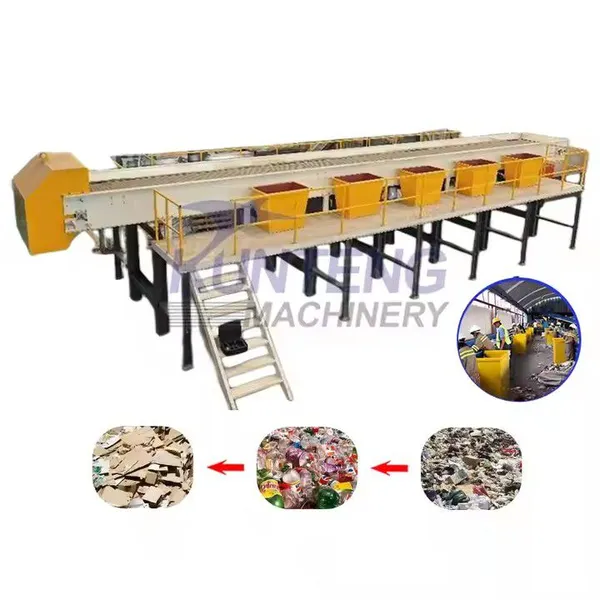 Read More
-
Mobile Industrial Paper Shredder: On-Site C&D Waste Guide
October 20, 2026Published on October 20, 2026If your construction or demolition operation still hauls raw, bulky debris to a third-party processor Read More

Contact Us
Recommended Products
-
 Continuous Heavy Metals Shredder Damaged Cars Crusher HMS Heavy Melting Steel Scrap Wire MS Iron ShredderNegotiableMOQ: 1 Set
-
Large Dustbin for Sorting Table With Scrapshoot Hole Waste Segregation Machine Sorting LineNegotiableMOQ: 1 Set
-
High Productivity Iron Ore Powder Ball Press Machine Mineral Soil Silicon Powder Briquetting MachineNegotiableMOQ: 1 Set
-
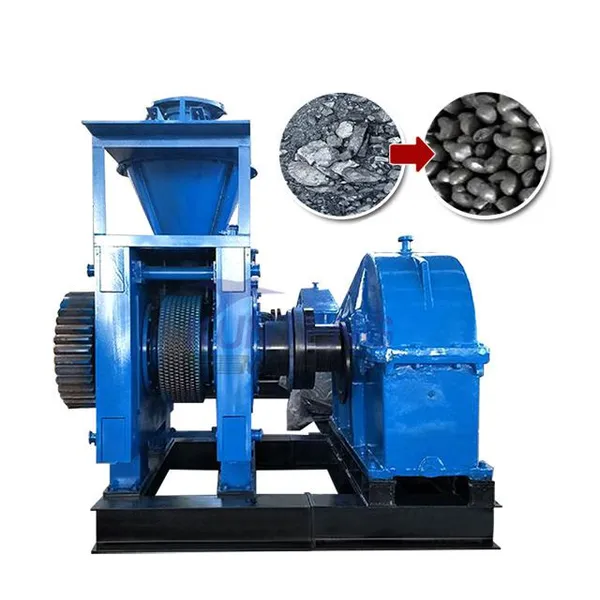
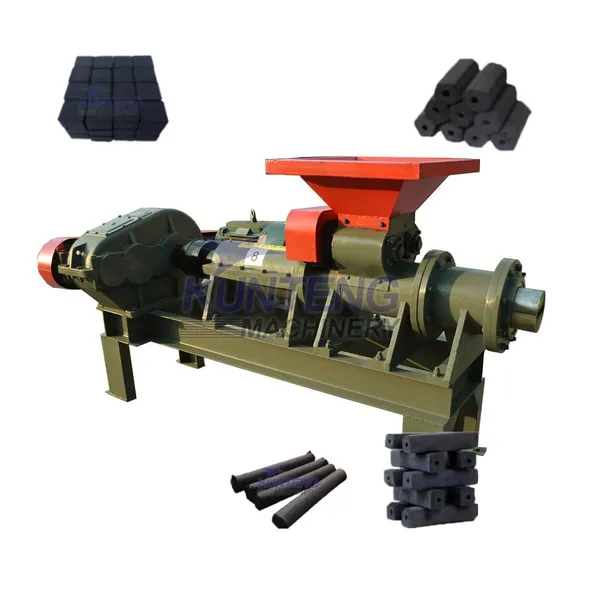
Eco-friendly Coconut Shell Charcoal Briquette Making Machine Charcoal Press Machine Bbq Charcoal Production LineNegotiableMOQ: 1 Set
-
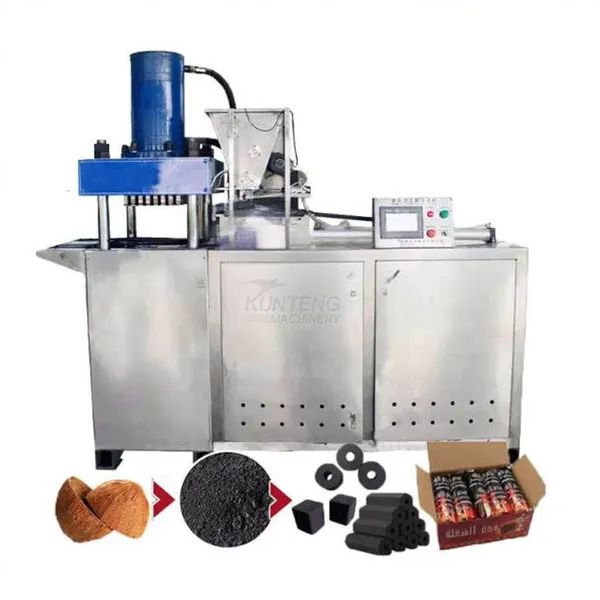
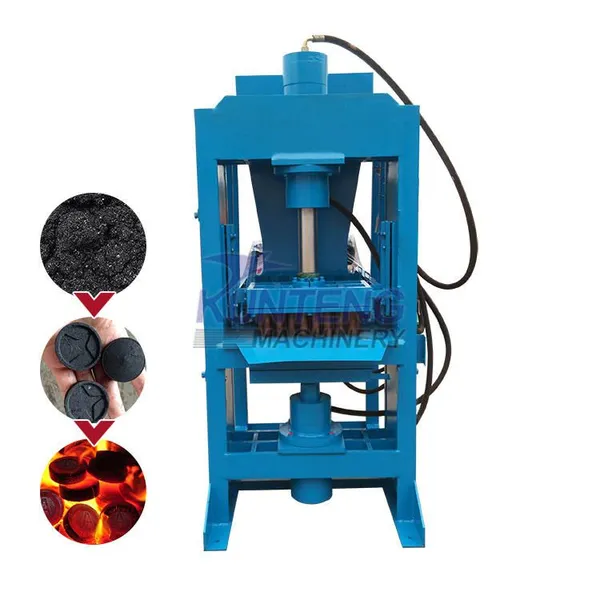
Full Automatic Coconut Charcoal Hydraulic Press Machines Sawdust Charcoal Briquette Machines Biomass Charcoal Briquette MachineNegotiableMOQ: 1 Set
-
Corn Stalk Briquette Making Machine Chicken Manure Biomass Briquetting Extruder Press MachineNegotiableMOQ: 1 Set
-
Small Scale Charcoal Briquette Making Machine Compressed Coal Industry Machines Automatic Extruder Production LineNegotiableMOQ: 1 Set
-
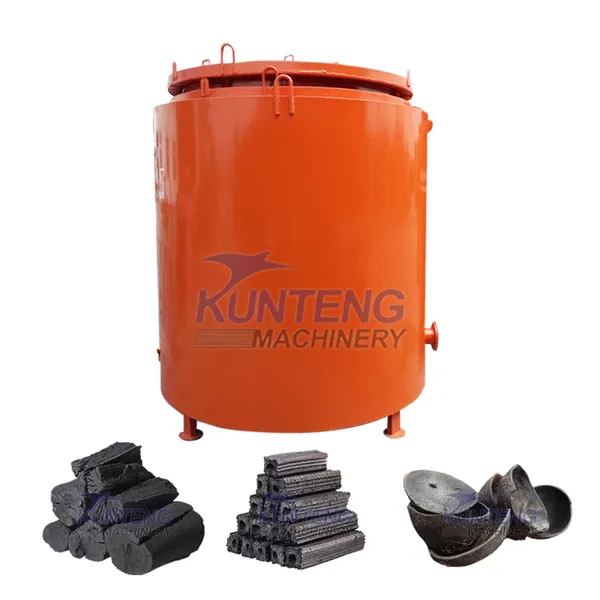
Automatic Eco-Friendly Vertical Hosting Carbonization Furnace Horizontal Sawdust Carbonizer FurnaceNegotiableMOQ: 1 Set
-
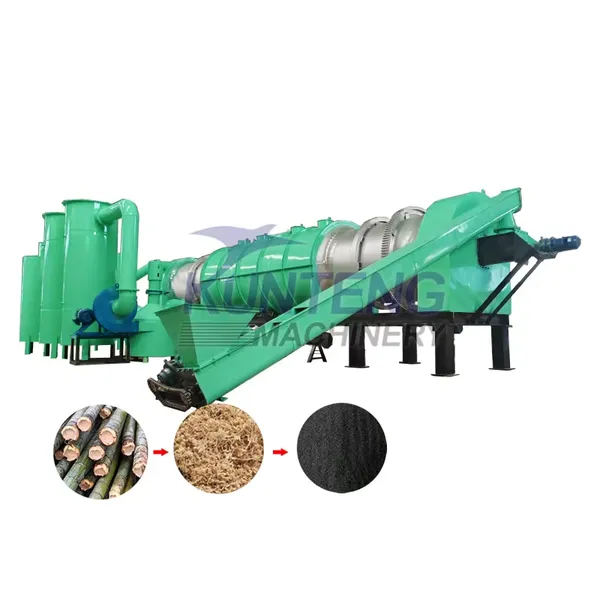
Eco-friendly Charcoal Making Machine Carbonization Furnace Continous Carbonization StoveNegotiableMOQ: 1 Set
-
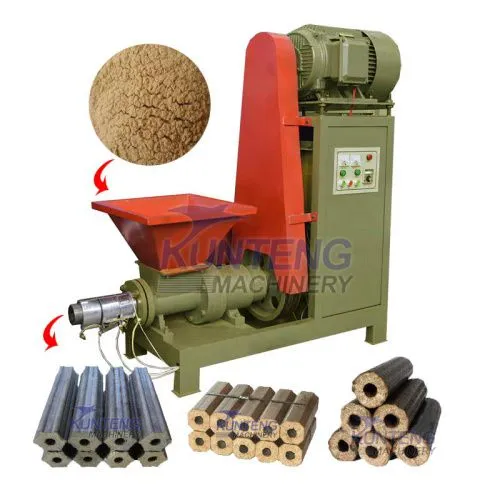
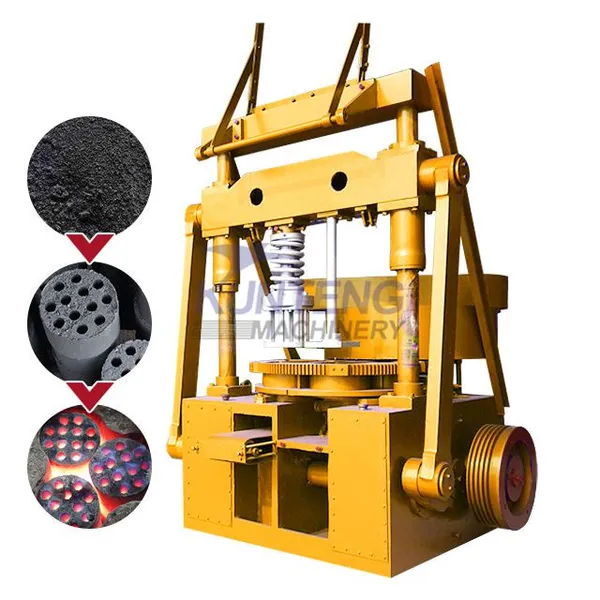
Coal Press Machine Can Customize Honeycomb Coal Forming Machine Commercial Forming MachineNegotiableMOQ: 1 Set
-
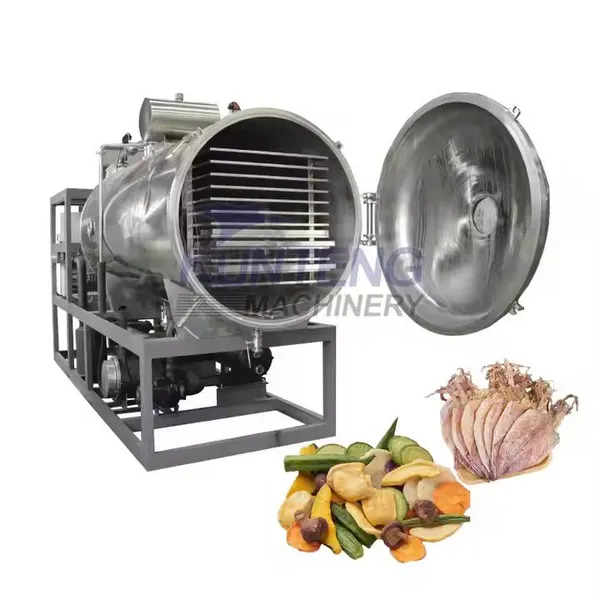
Large Commercial High Productivity Freeze Drier Dryer LyophilizerNegotiableMOQ: 1 Set
-
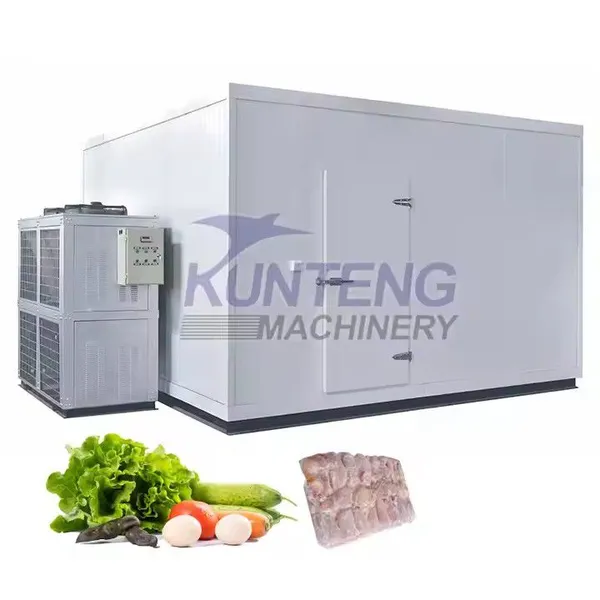
Monoblock Freezer Blower -18c Cold Storage Cold Room Kits CoolingNegotiableMOQ: 1 Set
-
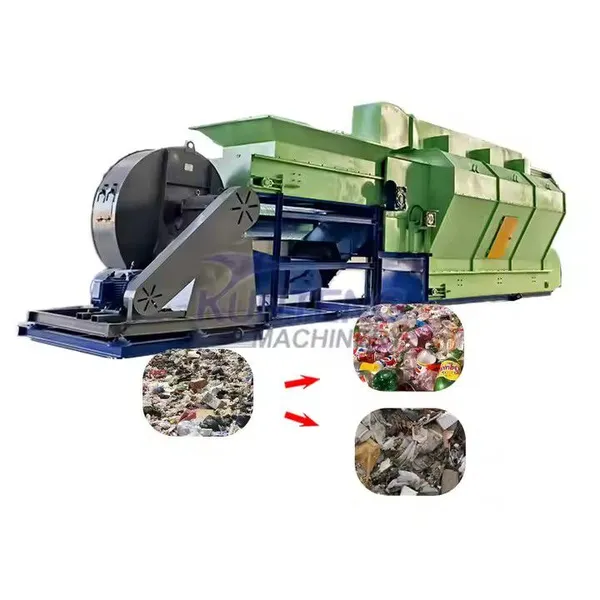
Professional Air Flow Separation Machines Air Separation System for Waste SortingNegotiableMOQ: 1 Set
-
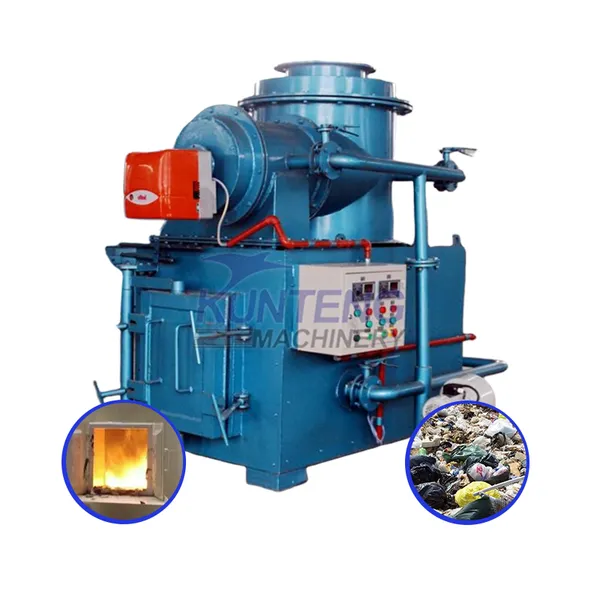
Smokeless Waste Incineration Machine Garbage IncineratorNegotiableMOQ: 1 Set
-
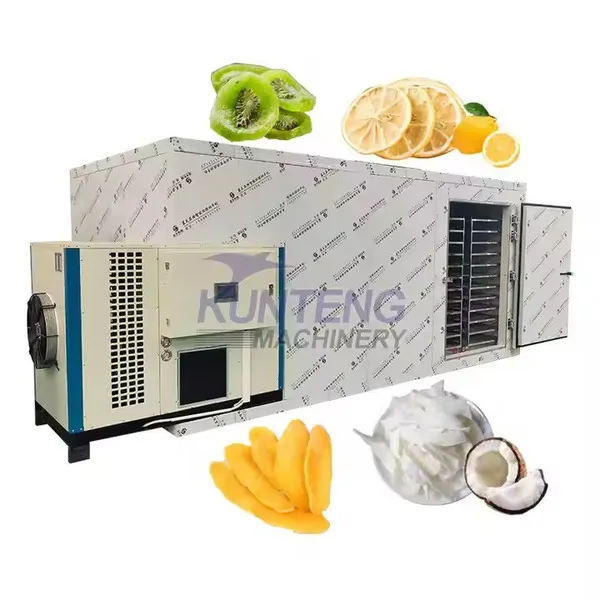
Fruit and Vegetable Drying Processing Machine Grape Raisin Drying Machine Mango Dryer MachineNegotiableMOQ: 1 Set
-
Trommel Screen Machine Construction Waste Sorting EquipmemtsNegotiableMOQ: 1 Set
-
Municipal Solid Waste Converts to RDF Machines Waste Plastic to Fuel Machine Waste Recycling PlantNegotiableMOQ: 1 Set
-
High Capacity Teak Drying Chamber Timber Formwork Dry Machine Wood Drying EquipmentNegotiableMOQ: 1 Set
-
Smart Waste Plastic Crusher and Baler Machine Recycling Machine for Plastic Waste to Make BricksNegotiableMOQ: 1 Set
-
New Design Waste Separation Machine Trommel Screen Machine for Rubbish Garbage Sorting Plant LineNegotiableMOQ: 1 Set