
 Business License
Manual Sorting Platform for MSW Recycling Lines
Published on 21 October 2026
Incoming contamination at material recovery facilities often hovers around 15%, while outgoing bale specifications demand roughly 1.5%. That gap costs recyclers revenue, end-market access, and regulatory compliance. A well-configured large manual sorting table waste separation machine closes much of that gap before mechanical sorting begins, protecting downstream equipment and lifting the quality of recovered fractions. This guide explains where a municipal solid waste recycling line benefits most from manual pre-sorting, how to configure the platform, and what operational results are realistic.
Why MSW Recycling Lines Lose Value at the Sorting Stage
Global waste generation is projected to reach 3.40 billion tonnes by 2050, up from roughly 2 billion tonnes today, according to the World Bank’s What a Waste 2.0 report. Recycling rates remain uneven: the global average sits near 13.5%, while low-income countries recycle only about 4% of their waste. As volumes rise, the pressure on sorting infrastructure intensifies.
The contamination constraint is the immediate operational bottleneck. GreenBlue’s 2025 SPC Advance analysis found that MRFs target approximately 1.5% contamination in outgoing bales, yet incoming material frequently contains around 15% contamination. Communities with dedicated education programs have driven inbound contamination down to 3–4%, but most facilities receive mixed streams with far less source separation.
Regulatory timelines sharpen the problem. The EU Packaging and Packaging Waste Regulation (EU) 2025/40 requires all packaging to be recyclable by 2030, with recycling targets of 65% by 2025 and 70% by 2030 for packaging waste. Facilities that cannot deliver clean, market-ready bales risk losing access to end markets that demand contamination below 3%.
Manual sorting remains structurally important at MRFs, particularly as a pre-sorting and quality-control step to remove contaminants and correct sorting errors, according to a European Commission research deliverable. The same analysis notes that manual sorting alone is constrained by throughput and labor intensity—which is why platform design, station allocation, and workflow integration determine whether manual pre-sorting strengthens or bottlenecks the line.
How a Manual Sorting Platform Fits into an MSW Recycling Line
A manual sorting platform is not a replacement for trommels, magnetic separators, or optical sorters. It is the controlled entry point where bulky, hazardous, and high-contamination items are removed before they damage downstream equipment or degrade recovered material quality.
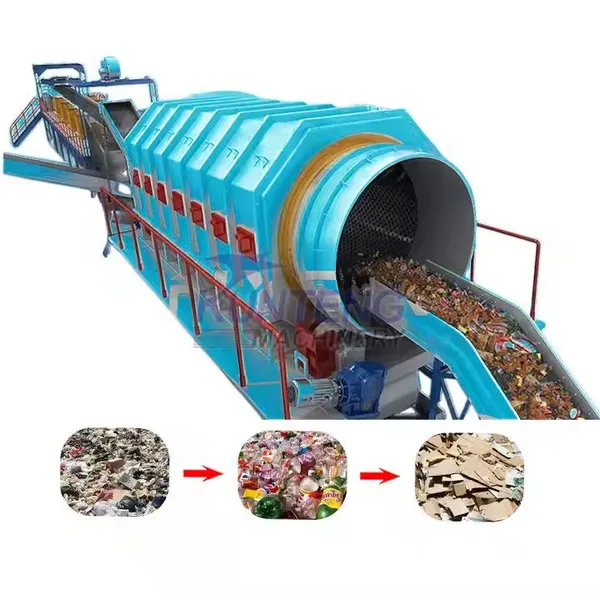
In a typical MSW recycling line configuration, the platform sits after bag opening and before trommel screening. Workers remove:
Oversized and bulky items that would jam screens or wrap around shafts
Glass, ceramics, and stones that accelerate wear on mechanical components
Batteries and hazardous household items that pose safety and compliance risks
Visible contaminants (film, textiles, food-laden packaging) that lower bale value
The platform itself is built around a sorting conveyor with frequency-controlled belt speed, with silos or chutes at each station for separated fractions. Structural steel framing—Q235A side plates, hot-rolled H-beam columns, and pattern-aluminum cover plates—provides the durability required for continuous MSW exposure. Safety features include emergency-stop buttons on both sides of the sorting belt, a non-negotiable requirement for facilities handling sharp and hazardous materials.
Station count is the primary customization variable. Platforms are available in 4-, 6-, and 8-station configurations, and can be sized to the throughput and material mix of the specific line. More stations allow finer fraction separation and higher recovery of targeted materials, but require proportionally more labor and floor space.
How to Reduce Contamination in an MSW Recycling Line with a Manual Sorting Platform
The operational question is not whether to use manual sorting, but how to configure it so that contamination removal is consistent, measurable, and cost-effective. The following four-step sequence is drawn from facility design practice and sorting-efficiency research.
Step 1: Characterize the incoming stream before sizing the platform.
Contamination composition determines station count and silo layout. A stream heavy in film plastics and textiles needs more stations dedicated to light fractions; a stream with high glass and inert content needs robust heavy-fraction chutes and wear protection. Without a waste composition audit, platforms are often over- or under-stationed.
Step 2: Assign sorters to specific target materials, not “everything.”
Sorting efficiency improves when workers concentrate on fewer material categories. On a 6-station platform, a practical allocation is two stations for film and flexible plastics, two for rigid plastics and containers, one for paper/cardboard, and one for residual contaminant removal. This specialization reduces decision fatigue and improves capture rates.
Step 3: Control belt speed relative to station density.
Sorting purity is sensitive to conveyor speed. Research on manual sorting lines shows that purity declines as flow speed increases beyond the point where workers can physically inspect the material stream. As a starting principle, belt speed should be set so that each sorter has sufficient dwell time to identify and remove their assigned fraction—typically validated through a timed trial rather than assumed from equipment capacity ratings.
Step 4: Pair the platform with a clean-MRF operating logic.
The World Bank distinguishes “dirty” MRFs receiving mixed waste (typical recovery 20–30%) from “clean” MRFs processing source-separated material (recovery up to 95%). A manual sorting platform cannot transform a dirty MRF into a clean MRF, but it can push recovery toward the upper end of what mixed-waste processing allows. Facilities that treat manual pre-sorting as a quality-control function—not merely a labor station—consistently produce cleaner intermediate streams for downstream optical and magnetic separation.
What the Data Says About Manual Sorting Performance
Manual sorting plants have demonstrated measurable recovery advantages in specific material streams. A peer-reviewed analysis of mixed plastics sorting found an average plastic recovery of 45% in the studied waste, while manual sorting plants achieved an average yield of 52.92%—a difference attributable in part to operator familiarity and yield-linked incentives. The same study notes that manual sorting plants are “proven and affordable technologies” for mixed plastics, with the principal constraint being low input capacity rather than sorting effectiveness.
At the facility level, recovery rate benchmarks tell a consistent story. A 2024 assessment of material recovery facilities reported an average material recovery rate of 68.4%, with paper and cardboard reaching 84.2% recovery efficiency. Facilities that invested in advanced sorting technologies showed 19.3% higher recovery rates than manual-only operations. This does not argue against manual platforms—it argues for positioning the platform as the quality-control layer that enables downstream technology to perform at its design specification.
Contamination data reinforces the same conclusion. MRF operating costs are dominated by labor (50–70% of operating cost in the facilities studied), and one facility identified $43,000 per month in recoverable material lost to landfill due to sorting failures. A platform configured to capture high-value fractions and remove contaminants before they enter the mechanical line directly addresses both the labor productivity question and the material-loss question.
FAQ
What is the minimum order quantity for a manual sorting platform?
Most suppliers quote a minimum order quantity of 1 set, with pricing scaled to station count and line integration requirements. Customization of 4-, 6-, and 8-station configurations is standard rather than exceptional.
What is the typical lead time?
Lead times vary by configuration and destination, but suppliers commonly quote delivery windows in the range of 15 to 30 working days for standard platform designs, with additional time required for multi-station custom builds and line integration engineering.
Can the platform be integrated into an existing recycling line?
Yes. The platform is designed around a modular conveyor-and-silo architecture that interfaces with upstream bag openers, trommels, and feeding conveyors, as well as downstream magnetic separators and optical sorters. Customization is based on line layout, throughput target, and the material fractions the operator intends to recover or remove.
Next Step: Specify the Platform Around Your Contamination Problem
The difference between a manual sorting platform that lifts recovery and one that becomes a labor bottleneck is configuration: station count matched to waste composition, belt speed matched to sorter capacity, and placement matched to the points in the line where contamination causes the most downstream damage. If your municipal solid waste recycling line is losing value to contamination, the practical next step is a line audit and platform specification exercise—not a generic equipment quotation. Use the four-step sequence above as the basis for that conversation with your engineering team.
Recently Posted
-
Municipal Waste Compost Sieve Machine Guide
October 21, 2026Published on 21 October 2026Municipal Waste Compost Sieve Machine GuideMunicipal composting operations face a narrowing margin for Read More
-
Mobile Industrial Paper Shredder: On-Site C&D Waste Guide
October 20, 2026Published on October 20, 2026If your construction or demolition operation still hauls raw, bulky debris to a third-party processor Read More
-
Coconut Fiber Defibering Extracting Machine: Boost Coir Production
October 19, 2026Published on Oct 19, 2026If you run a coir processing plant, you know manual fiber extraction creates low yield, high labor cost a Read More
-
Continuous Automatic Tray Freeze Dryer: Scale Fruit & Veg Lyophilization
October 19, 2026Published on October 19, 2026If you run a fruit and vegetable processing plant aiming to scale freeze-dried snack production, a co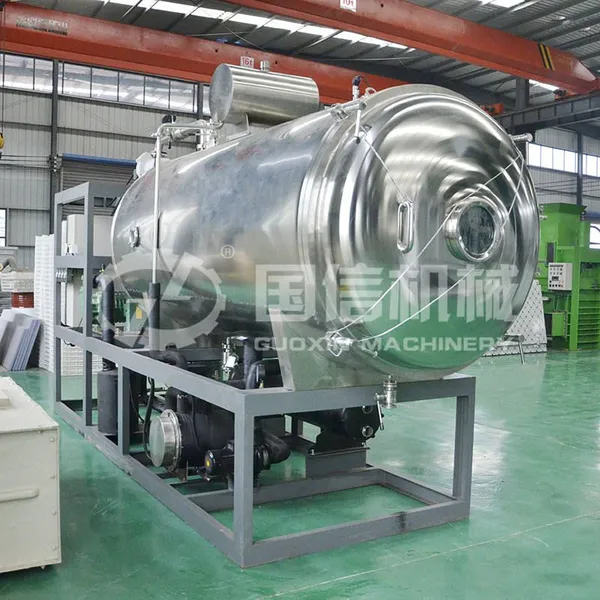 Read More

Contact Us
Recommended Products
-
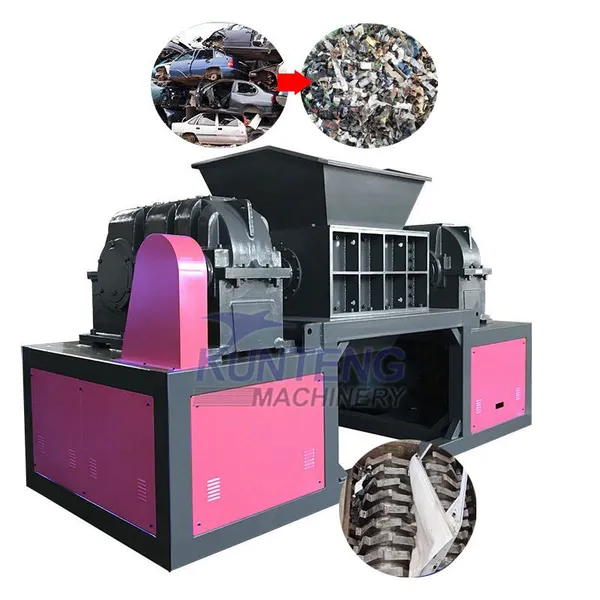
 Continuous Heavy Metals Shredder Damaged Cars Crusher HMS Heavy Melting Steel Scrap Wire MS Iron ShredderNegotiableMOQ: 1 Set
-
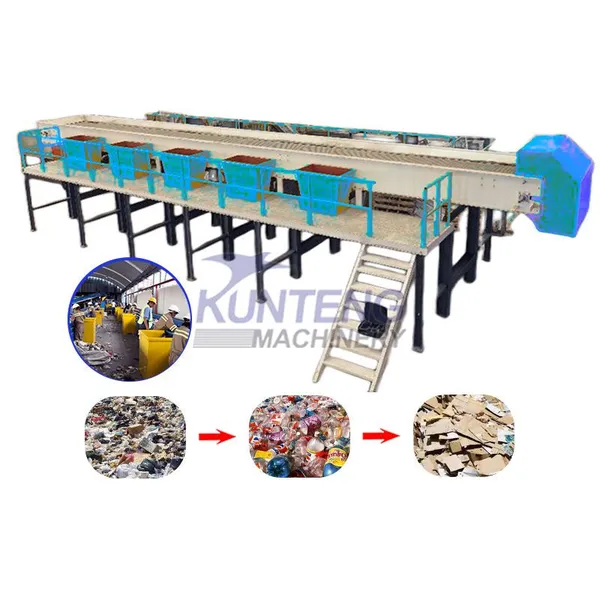
Large Dustbin for Sorting Table With Scrapshoot Hole Waste Segregation Machine Sorting LineNegotiableMOQ: 1 Set
-
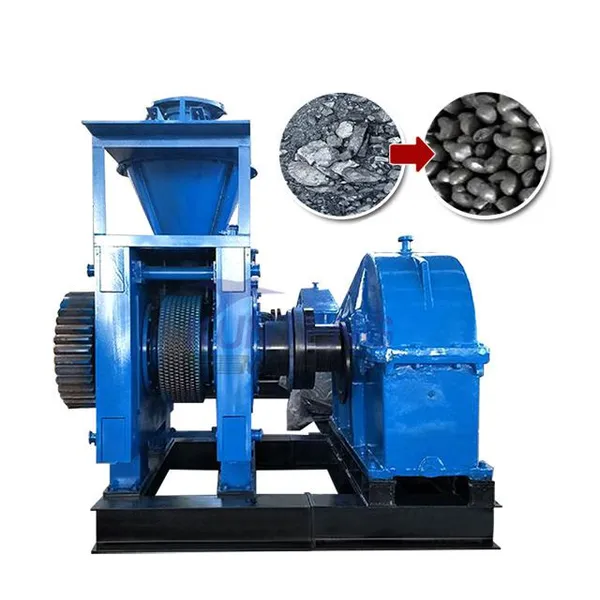
High Productivity Iron Ore Powder Ball Press Machine Mineral Soil Silicon Powder Briquetting MachineNegotiableMOQ: 1 Set
-
Eco-friendly Coconut Shell Charcoal Briquette Making Machine Charcoal Press Machine Bbq Charcoal Production LineNegotiableMOQ: 1 Set
-
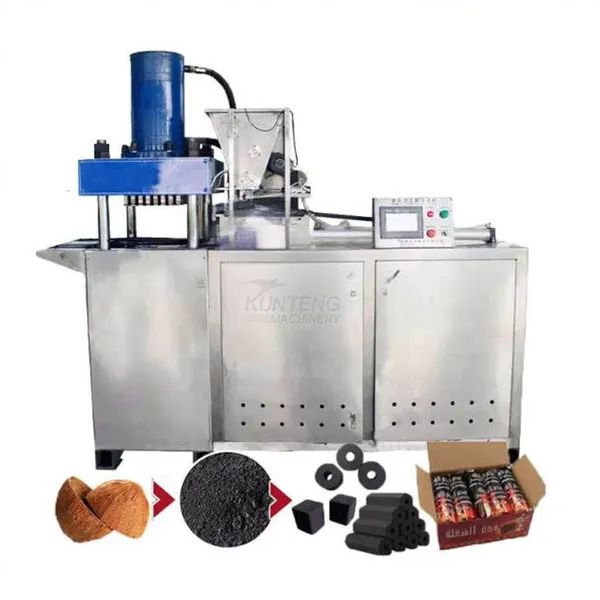
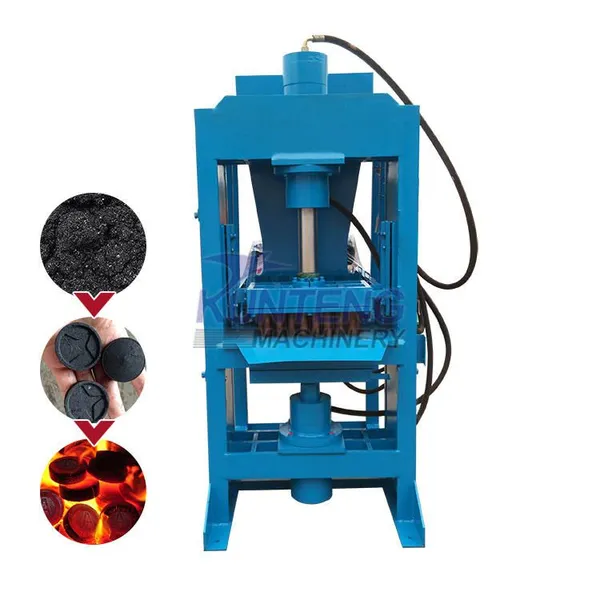
Full Automatic Coconut Charcoal Hydraulic Press Machines Sawdust Charcoal Briquette Machines Biomass Charcoal Briquette MachineNegotiableMOQ: 1 Set
-
Corn Stalk Briquette Making Machine Chicken Manure Biomass Briquetting Extruder Press MachineNegotiableMOQ: 1 Set
-
Small Scale Charcoal Briquette Making Machine Compressed Coal Industry Machines Automatic Extruder Production LineNegotiableMOQ: 1 Set
-
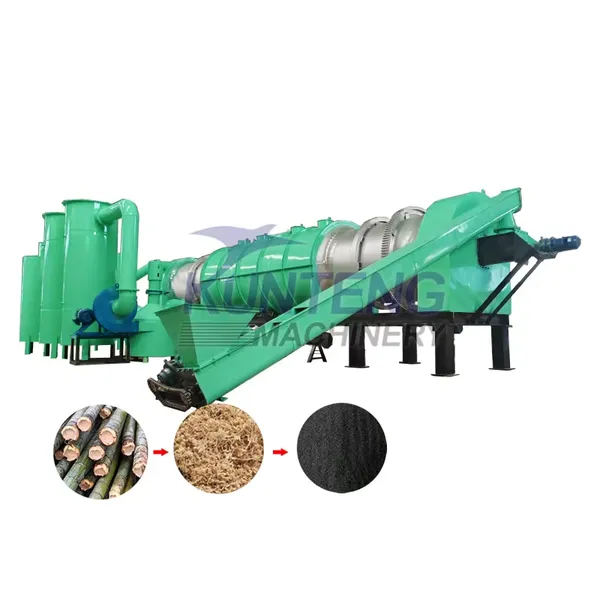
Automatic Eco-Friendly Vertical Hosting Carbonization Furnace Horizontal Sawdust Carbonizer FurnaceNegotiableMOQ: 1 Set
-
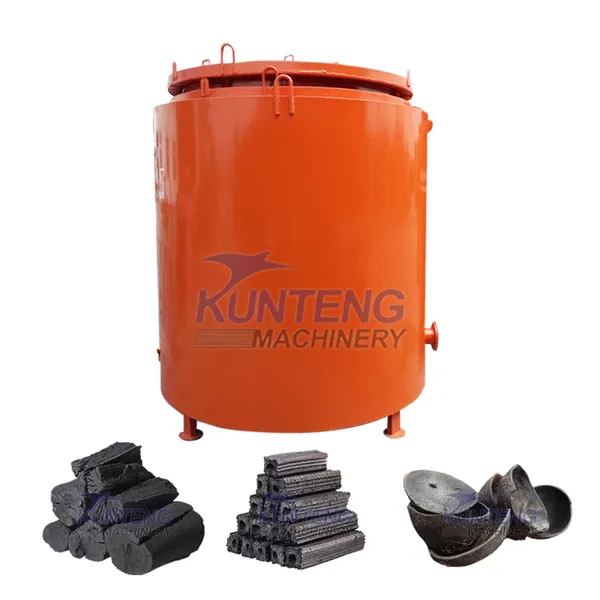
Eco-friendly Charcoal Making Machine Carbonization Furnace Continous Carbonization StoveNegotiableMOQ: 1 Set
-
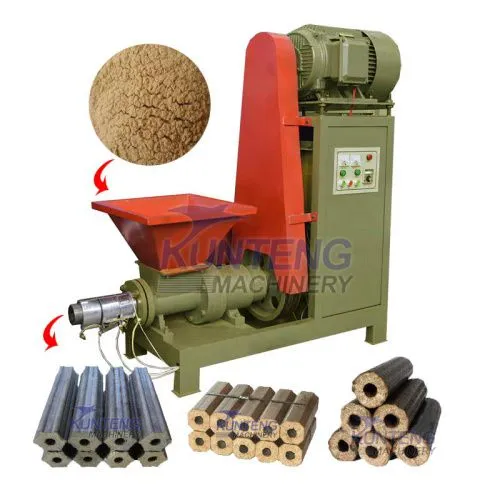
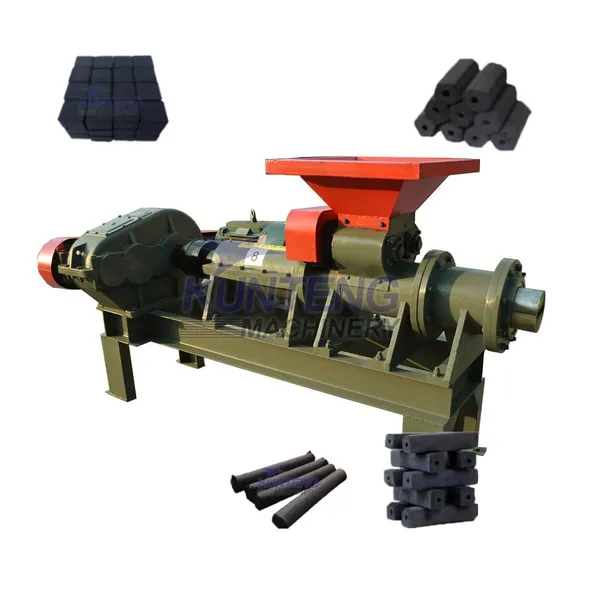
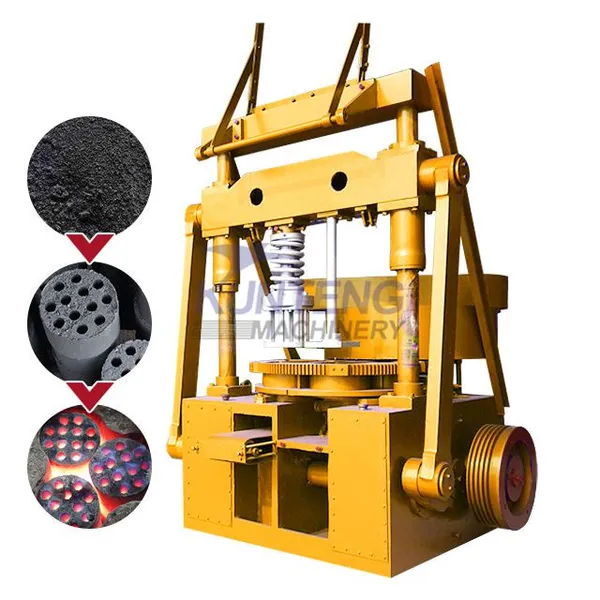
Coal Press Machine Can Customize Honeycomb Coal Forming Machine Commercial Forming MachineNegotiableMOQ: 1 Set
-
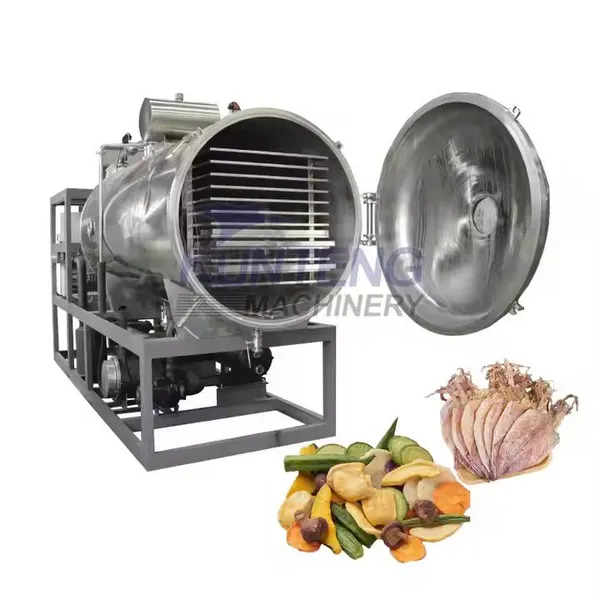
Large Commercial High Productivity Freeze Drier Dryer LyophilizerNegotiableMOQ: 1 Set
-
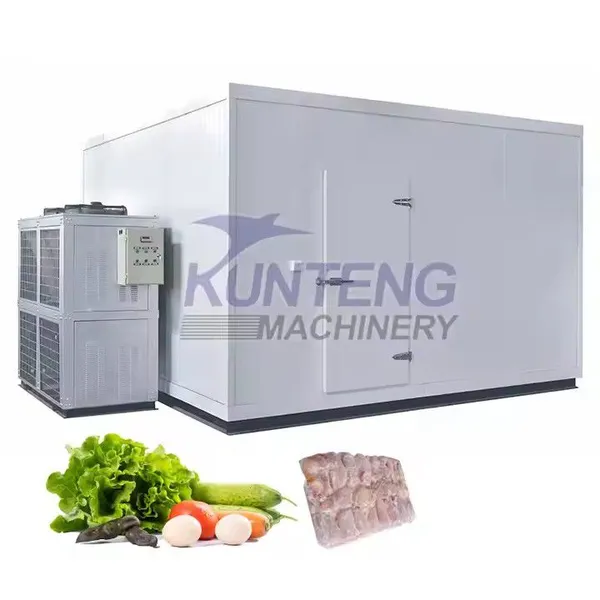
Monoblock Freezer Blower -18c Cold Storage Cold Room Kits CoolingNegotiableMOQ: 1 Set
-
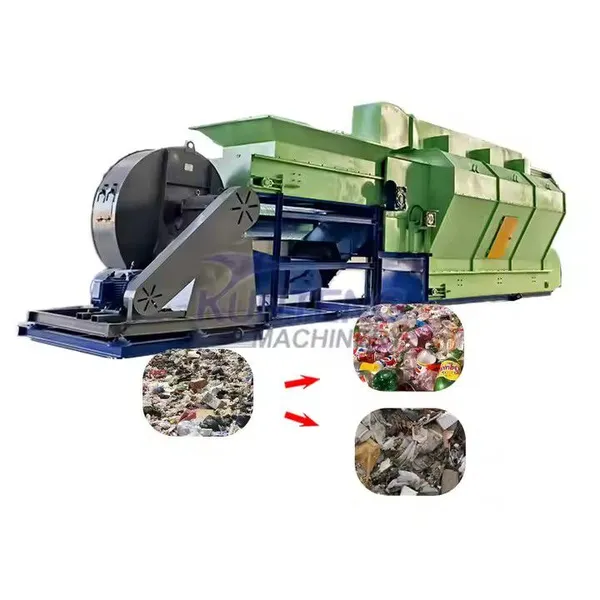
Professional Air Flow Separation Machines Air Separation System for Waste SortingNegotiableMOQ: 1 Set
-
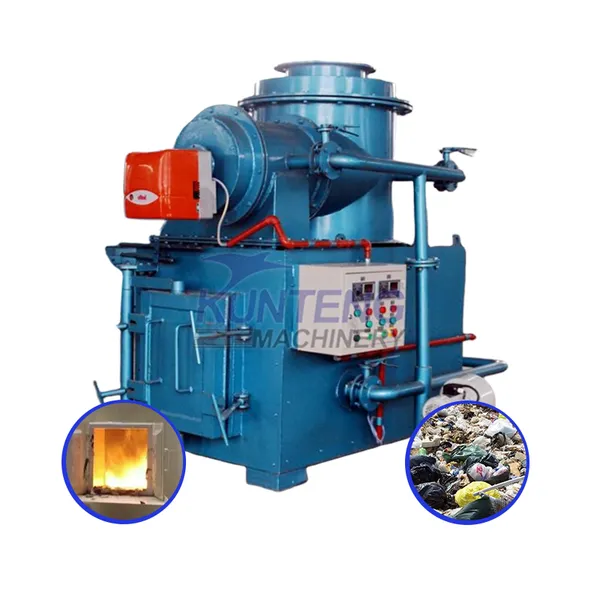
Smokeless Waste Incineration Machine Garbage IncineratorNegotiableMOQ: 1 Set
-
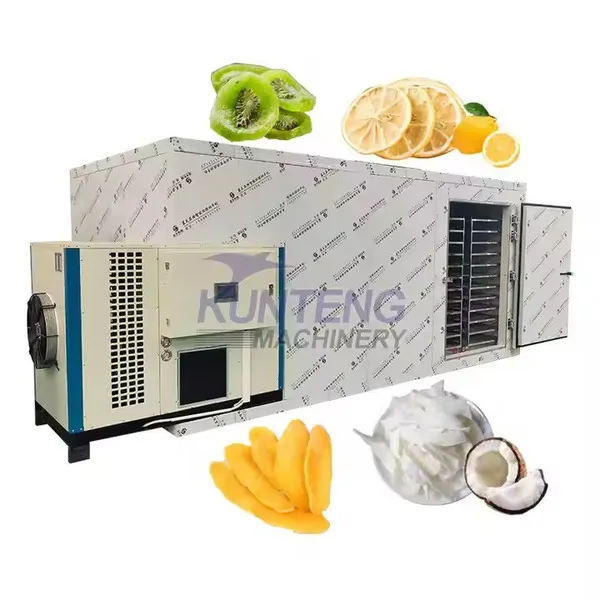
Fruit and Vegetable Drying Processing Machine Grape Raisin Drying Machine Mango Dryer MachineNegotiableMOQ: 1 Set
-
Trommel Screen Machine Construction Waste Sorting EquipmemtsNegotiableMOQ: 1 Set
-
Municipal Solid Waste Converts to RDF Machines Waste Plastic to Fuel Machine Waste Recycling PlantNegotiableMOQ: 1 Set
-
High Capacity Teak Drying Chamber Timber Formwork Dry Machine Wood Drying EquipmentNegotiableMOQ: 1 Set
-
Smart Waste Plastic Crusher and Baler Machine Recycling Machine for Plastic Waste to Make BricksNegotiableMOQ: 1 Set
-
New Design Waste Separation Machine Trommel Screen Machine for Rubbish Garbage Sorting Plant LineNegotiableMOQ: 1 Set