
 Business License
Continuous Automatic Tray Freeze Dryer: Scale Fruit & Veg Lyophilization
Published on October 19, 2026
If you run a fruit and vegetable processing plant aiming to scale freeze-dried snack production, a continuous automatic tray freeze dryer, also known as a vacuum freeze drying machine, solves the biggest production bottlenecks of traditional batch lyophilizers. Many food manufacturers struggle with inconsistent product quality, low hourly throughput, high manual labor costs, and heavy nutrient loss from conventional hot-air drying. This article answers the question: How to cut production waste while scaling freeze-dried fruit and vegetable output with a continuous automatic tray freeze dryer. We will cover industry challenges, how the vacuum freeze drying machine addresses them, a step-by-step operational guide, a real customer case, and frequently asked questions for B2B food processors.
Industry Background & Challenges for Freeze-Dried Fruit & Vegetable Producers The global freeze-dried food market reached USD 3.1 billion in 2025 and is projected to hit USD 5.6 billion by 2034, with a 6.34% CAGR, according to IMARC Group, Freeze-Dried Food Market Report by Type, Distribution Channel, and End User, 2026–2034. Updated 2026 data from Mordor Intelligence shows freeze-dried fruits and vegetables are among the fastest-growing segments, driven by global demand for clean-label, additive-free preserved produce with long shelf life.
Even with rising market demand, industrial food processors face persistent pain points:
Traditional batch vacuum freeze drying machine setups require constant manual loading and unloading of trays, raising labor expense and human error risk.
Batch-only equipment creates uneven drying across trays, leading to inconsistent moisture levels, rejected finished goods, and yield loss.
Hot-air dehydration destroys up to 30–50% of heat-sensitive vitamins, damaging product value and limiting premium pricing, per PMC research “Application of Freeze-Drying Technology in the Food Industry: A Review” (2025)PMC.
Smaller freeze dryers cannot support large, stable order volumes for retail brands, private-label buyers, and ingredient distributors.
How the Continuous Automatic Tray Freeze Dryer Solves Production Pain Points The continuous automatic tray freeze dryer is an industrial vacuum freeze drying machine built specifically for high-volume fruit and vegetable lyophilization. It automates tray transport, loading, unloading, and process monitoring, removing manual handling from the core drying workflow.
Key benefits for B2B fruit and vegetable manufacturers:
Automatic tray conveying maintains stable vacuum and temperature conditions throughout the chamber, delivering consistent moisture results across every batch of berries, leafy greens, root vegetables, and fruit chunks.
Low-temperature sublimation retains more than 90% of natural vitamins, flavor, color, and cell structure compared to thermal drying, supporting premium clean-label product lines.
Continuous operation eliminates repeated chamber door openings, reducing energy consumption and vacuum recovery downtime.
PLC integrated control logs all process parameters, simplifying food safety audits, traceability, and compliance with global food processing standards.
Modular tray design allows flexible capacity scaling; you can expand production lines without replacing your core vacuum freeze drying machine.
Step-by-Step Guide: How to cut production waste while scaling freeze-dried fruit and vegetable output with a continuous automatic tray freeze dryer
This section addresses our target long-tail search query, outlining a repeatable workflow for food plant operators. 1. Pre-treatment: Sort, wash, slice, and blanch raw fruits or vegetables. Blanching stops enzyme activity that causes discoloration and nutrient degradation after freeze drying. 2. Tray loading: Place prepared produce evenly onto stainless steel trays. The continuous automatic tray freeze dryer automatically feeds trays into the freezing zone, no manual pushing required. 3. Pre-freezing: The system freezes raw materials below -35°C inside the vacuum freeze drying machine to form solid ice crystals without damaging the plant cell structure. 4. Primary drying: The vacuum pump lowers chamber pressure. Ice sublimates directly into vapor under low pressure, removing most water without melting. 5. Secondary drying: Fine-tune temperature and vacuum settings to remove bound residual moisture, bringing final product moisture below 5% for multi-year shelf stability. 6. Automatic tray discharge: Completed trays exit the drying chamber continuously. Operators collect finished freeze-dried fruits and vegetables for immediate packaging. 7. Data review: Export process logs from the machine’s control system to track cycle performance and fine-tune recipes for different raw materials.
Real Customer Success Case
A European vegetable ingredient manufacturer producing freeze-dried carrot, spinach, and tomato powder upgraded from two manual batch vacuum freeze drying machines to one continuous automatic tray freeze dryer in 2025.Measurable business outcomes:
Daily production capacity increased by 168% while keeping product reject rate reduced from 7.2% down to 1.8%.
Manual labor time for tray handling dropped by 71%, cutting recurring production labor costs significantly.
Consistent nutrient retention helped the processor win three new long-term retail ingredient contracts, supporting expansion into North American markets. The customer noted that the continuous design removed the biggest limitation of their old batch equipment: frequent chamber openings that ruined vacuum stability and created uneven drying results.
FAQ for B2B Buyers of Continuous Automatic Tray Freeze Dryer
- Q: What is the minimum order quantity for this vacuum freeze drying machine?
- A: Standard MOQ is 1 set. For fully customized units with special chamber sizes, voltage or food-grade material upgrades, MOQ remains 1 set. Multiple-unit orders qualify for volume project pricing.
- Q: What is the typical lead time for a continuous automatic tray freeze dryer?
- A: Standard models have a lead time of 45–60 working days. Customized configurations, special certifications or non-standard power requirements will extend lead time, and a detailed timeline will be shared after confirming your technical specification sheet.
- Q: Can the vacuum freeze drying machine be customized for specific fruits or vegetables?
- A: Yes. Customization options include chamber dimensions, tray area, refrigeration capacity, 316L stainless steel upgrade, power frequency adjustment, recipe presets for different produce, and data logging features to meet local food regulatory requirements.
Conclusion & Next Step
As demand for premium freeze-dried fruits and vegetables continues rising globally, the continuous automatic tray freeze dryer offers food manufacturers a scalable vacuum freeze drying machine to improve yield, cut labor waste, and maintain premium product quality. Whether you are replacing outdated batch equipment or building a new lyophilization production line, matching your machine capacity and process settings to your raw materials is critical.
If you want to explore whether this continuous automatic tray freeze dryer fits your fruit and vegetable processing requirements, review the product specifications and process case data to evaluate the right machine size for your plant output goals.
Recently Posted
-
Municipal Waste Compost Sieve Machine Guide
October 21, 2026Published on 21 October 2026Municipal Waste Compost Sieve Machine GuideMunicipal composting operations face a narrowing margin for Read More
-
Manual Sorting Platform for MSW Recycling Lines
October 21, 2026Published on 21 October 2026Incoming contamination at material recovery facilities often hovers around 15%, while outgoing bale sp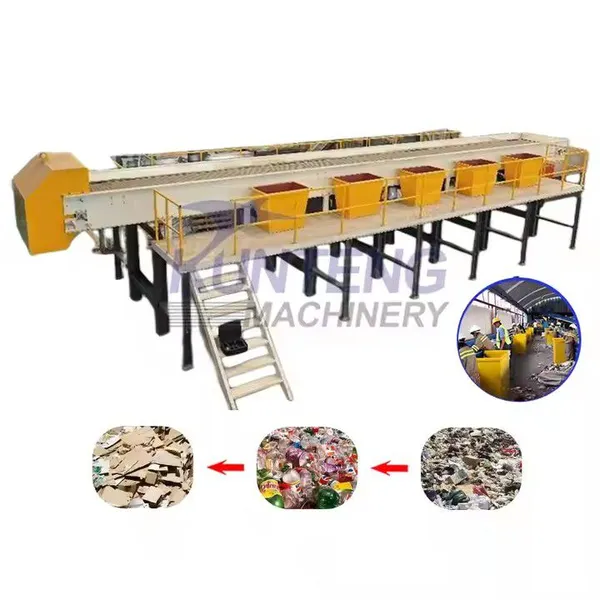 Read More
-
Mobile Industrial Paper Shredder: On-Site C&D Waste Guide
October 20, 2026Published on October 20, 2026If your construction or demolition operation still hauls raw, bulky debris to a third-party processor Read More
-
Coconut Fiber Defibering Extracting Machine: Boost Coir Production
October 19, 2026Published on Oct 19, 2026If you run a coir processing plant, you know manual fiber extraction creates low yield, high labor cost a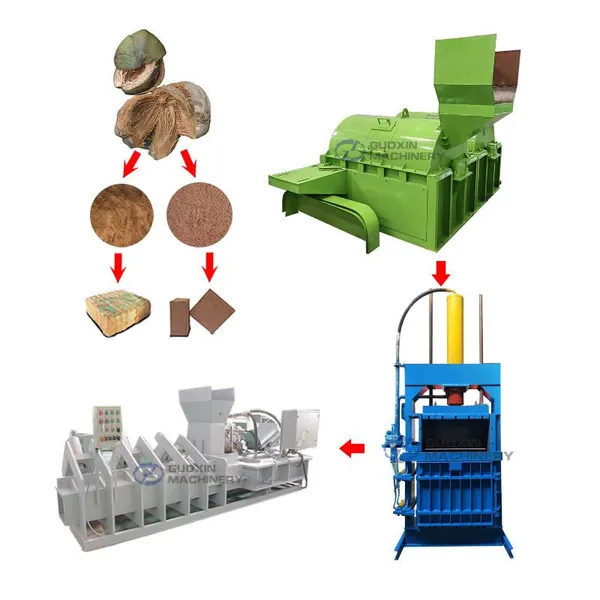 Read More

Contact Us
Recommended Products
-
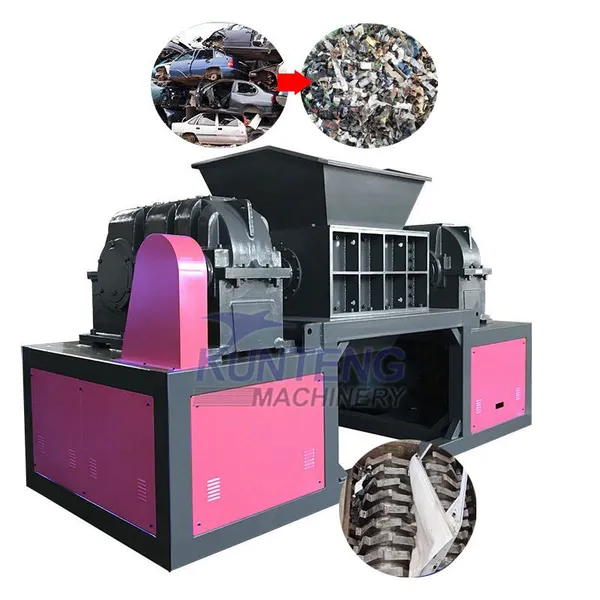
 Continuous Heavy Metals Shredder Damaged Cars Crusher HMS Heavy Melting Steel Scrap Wire MS Iron ShredderNegotiableMOQ: 1 Set
-
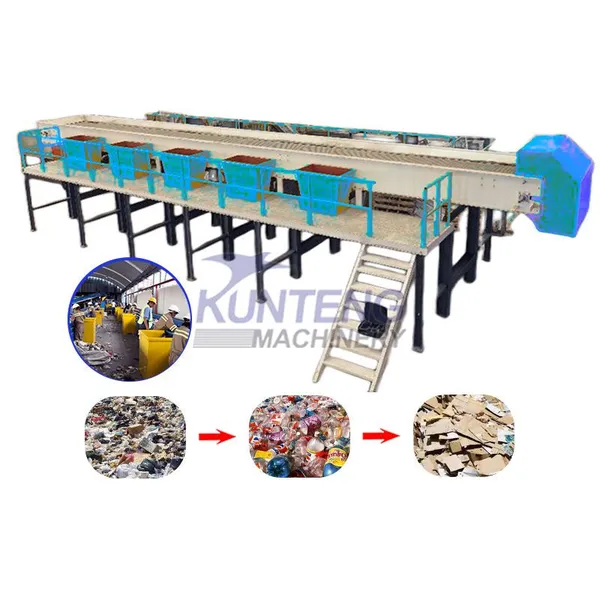
Large Dustbin for Sorting Table With Scrapshoot Hole Waste Segregation Machine Sorting LineNegotiableMOQ: 1 Set
-
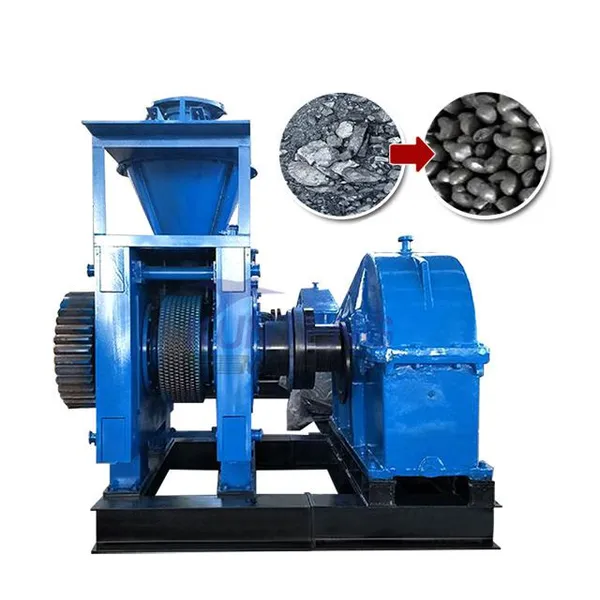
High Productivity Iron Ore Powder Ball Press Machine Mineral Soil Silicon Powder Briquetting MachineNegotiableMOQ: 1 Set
-
Eco-friendly Coconut Shell Charcoal Briquette Making Machine Charcoal Press Machine Bbq Charcoal Production LineNegotiableMOQ: 1 Set
-
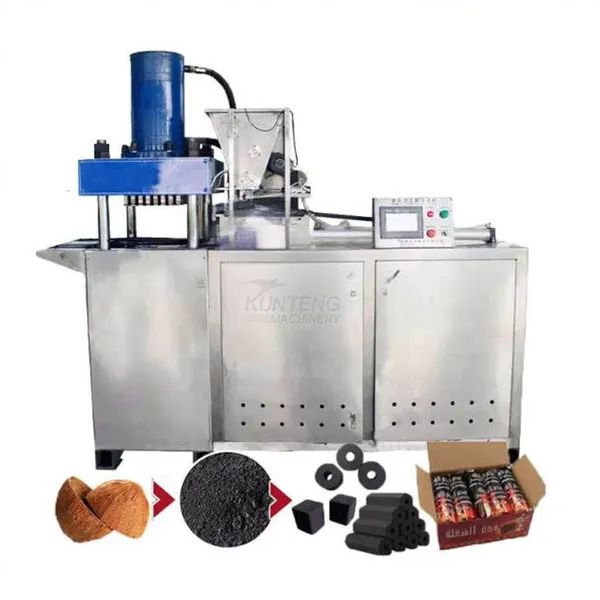
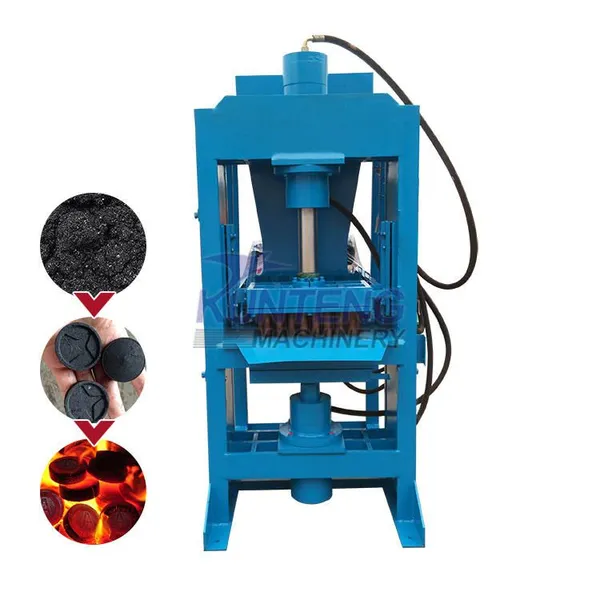
Full Automatic Coconut Charcoal Hydraulic Press Machines Sawdust Charcoal Briquette Machines Biomass Charcoal Briquette MachineNegotiableMOQ: 1 Set
-
Corn Stalk Briquette Making Machine Chicken Manure Biomass Briquetting Extruder Press MachineNegotiableMOQ: 1 Set
-
Small Scale Charcoal Briquette Making Machine Compressed Coal Industry Machines Automatic Extruder Production LineNegotiableMOQ: 1 Set
-
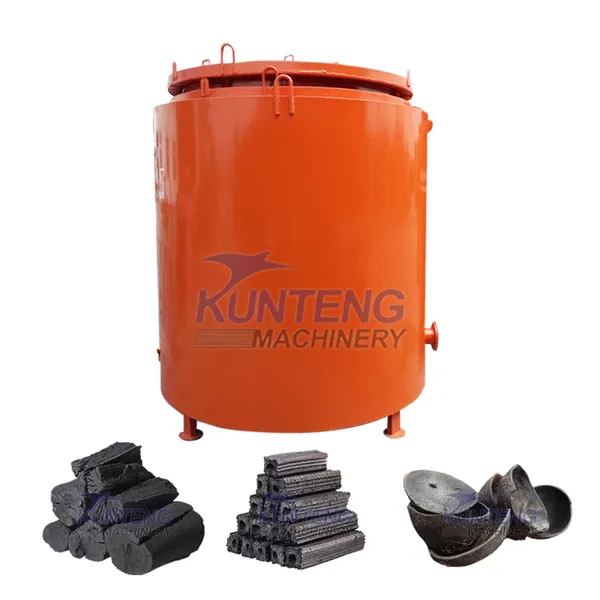
Automatic Eco-Friendly Vertical Hosting Carbonization Furnace Horizontal Sawdust Carbonizer FurnaceNegotiableMOQ: 1 Set
-
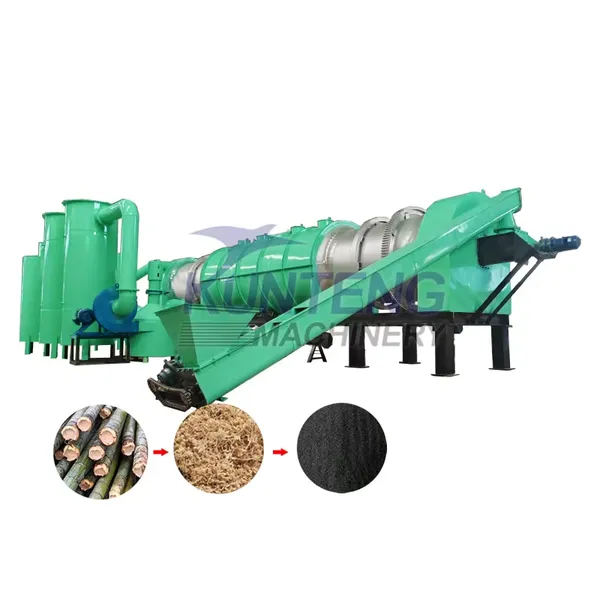
Eco-friendly Charcoal Making Machine Carbonization Furnace Continous Carbonization StoveNegotiableMOQ: 1 Set
-
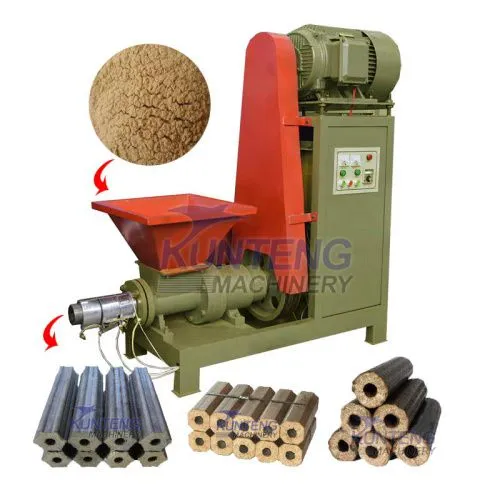
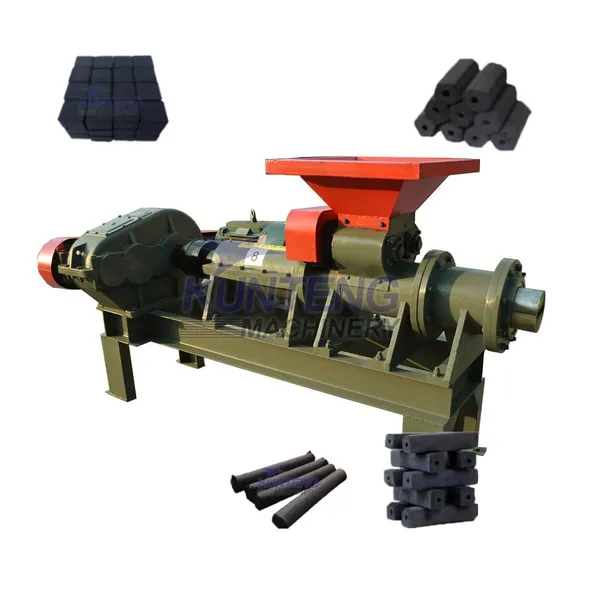
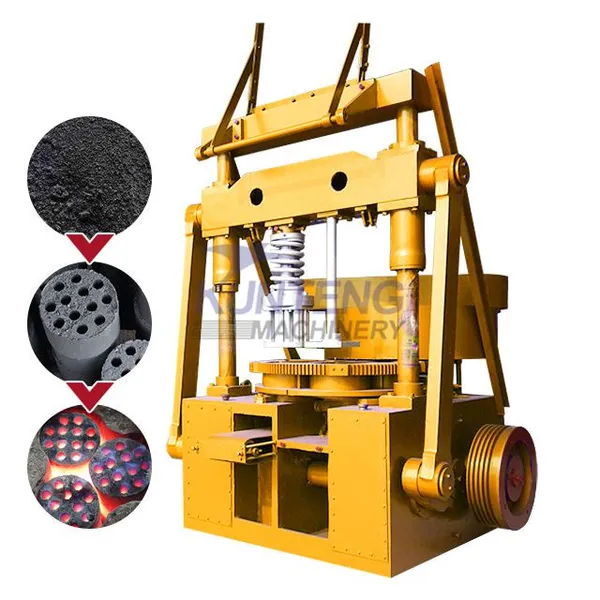
Coal Press Machine Can Customize Honeycomb Coal Forming Machine Commercial Forming MachineNegotiableMOQ: 1 Set
-
Large Commercial High Productivity Freeze Drier Dryer LyophilizerNegotiableMOQ: 1 Set
-
Monoblock Freezer Blower -18c Cold Storage Cold Room Kits CoolingNegotiableMOQ: 1 Set
-
Professional Air Flow Separation Machines Air Separation System for Waste SortingNegotiableMOQ: 1 Set
-
Smokeless Waste Incineration Machine Garbage IncineratorNegotiableMOQ: 1 Set
-
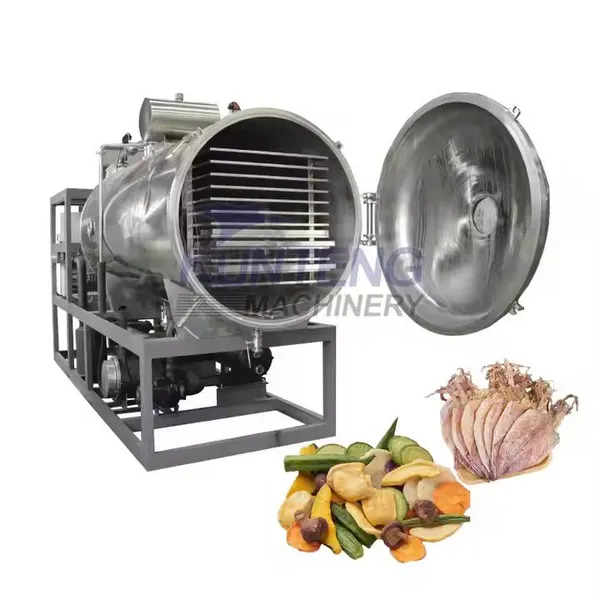
Fruit and Vegetable Drying Processing Machine Grape Raisin Drying Machine Mango Dryer MachineNegotiableMOQ: 1 Set
-
Trommel Screen Machine Construction Waste Sorting EquipmemtsNegotiableMOQ: 1 Set
-
Municipal Solid Waste Converts to RDF Machines Waste Plastic to Fuel Machine Waste Recycling PlantNegotiableMOQ: 1 Set
-
High Capacity Teak Drying Chamber Timber Formwork Dry Machine Wood Drying EquipmentNegotiableMOQ: 1 Set
-
Smart Waste Plastic Crusher and Baler Machine Recycling Machine for Plastic Waste to Make BricksNegotiableMOQ: 1 Set
-
New Design Waste Separation Machine Trommel Screen Machine for Rubbish Garbage Sorting Plant LineNegotiableMOQ: 1 Set