
 Business License
Coconut Fiber Defibering Extracting Machine: Boost Coir Production
Published on Oct 19, 2026
If you run a coir processing plant, you know manual fiber extraction creates low yield, high labor cost and inconsistent fiber quality. A coconut fiber defibering extracting machine works with coconut dehusk machine and coconut fiber baler machine to build a full coir production line, solving the bottleneck of husk processing. Many B2B buyers search: How to increase coir fiber yield with coconut husk defibering machine. This article breaks down industry challenges, machine solutions, step-by-step operation and real production results for coir mill operators.
Industry Background & Challenges in Global Coir Processing
Global demand for coir fiber keeps rising as sustainable growing media, geotextile and natural packaging gain adoption. Research and Markets, “Coir Market - Global Forecast 2026–2032” (Sep 2026) reports the global coir market will grow from USD 831.07 million in 2026 to USD 1.87 billion by 2032, CAGR 14.4%.
However, most small and mid-sized coir processors face 4 common pain points:
Traditional retting and manual defibering need massive labor and long waiting time, limiting output capacity
Poor fiber separation leads to short broken fibers mixed with cocopeat, downgrading product grade
Unmatched equipment: standalone coconut dehusk machine cannot connect to fiber extraction and baling, creating extra handling cost
Inconsistent husk moisture causes frequent machine jams and unstable daily throughput
Central Coir Research Institute (CCRI), “Techno Economic Feasibility Report Mobile Fibre Extraction Machine” (2014, updated 2025) notes that scattered coconut husk raw materials push up transport cost, making static processing lines uneconomical for many regional processorsCentral Co.... Without automated coconut fiber defibering extracting machine, factories cannot scale profitably to meet export orders.
How Coconut Fiber Defibering Extracting Machine Solves Production Bottlenecks
The coconut husk defibering machine mechanically beats and separates coconut husk into long coir fiber and cocopeat, forming a complete workflow when paired with coconut dehusk machine and coconut fiber baler machine.
Key advantages for B2B coir manufacturers:
Higher fiber recovery: Properly tuned units achieve 32–34% fiber extraction rate from raw husks, according to ICOSITER 2018 proceeding research by Emmistasega Subama and Sepriyanto.
Lower labor dependence: Replaces dozens of manual workers and cuts human error in sorting.
Continuous line compatibility: Dehusked husks feed directly into the defibering unit; extracted fiber then transfers to coconut fiber baler machine for compact bales ready for export.
Flexible raw material handling: Handles both green and semi-dried coconut husks after simple moisture adjustment.
Reduced environmental impact: Eliminates large-scale water retting that causes local water pollution.
The machine uses heavy-duty rotating beaters to tear husk structure, separating fiber strands from pith without excessive fiber breakage. Adjustable blade gaps let operators tune output between long fiber for ropes/geotextiles and shorter fiber for growing substrates.
Step-by-Step Guide: How to increase coir fiber yield with coconut husk defibering machine
This section answers the long-tail question keyword: How to increase coir fiber yield with coconut husk defibering machine. Follow this standard operating sequence to maximize fiber quality and reduce waste.
Raw material pre-check: Remove coconut shell fragments and meat residue. Test husk moisture and keep it between 40–60%. Too dry causes fiber breakage; too wet creates clogs and poor separation (Shuliy Machinery technical guide, 2026).
Pre-process with coconut dehusk machine: Remove outer husk layers, cut large husks into uniform pieces for stable feeding.
Set blade gap: Adjust rotor and fixed blade distance to 10 cm for optimal long fiber yield, based on ICOSITER test data.
Controlled feeding: Feed husks evenly and avoid overloading the hopper. Overfeeding overloads rotors and raises fiber breakage rate.
Fiber and pith separation: The defibering machine discharges coir fiber from one outlet and cocopeat from another. Collect separately for downstream processing.
Baling: Send clean fiber to coconut fiber baler machine to compress into standard export bales, lowering shipping volume and logistics cost.
Daily inspection: Clean rotor chamber after each shift; check wear on beaters and bearings. Replace worn parts before fiber quality drops.
Real Customer Case: Coir Mill Expands Export Capacity
A mid-sized coir processor in Indonesia previously used manual defibering with a small coconut dehusk machine. Before upgrade: daily output 1.2 tons fiber, labor cost accounted for 42% of production expense, and fiber breakage made 28% of output unsuitable for European horticulture buyers.
In Q1 2025, this factory integrated a coconut fiber defibering extracting machine plus coconut fiber baler machine into its line. Measured results after 6 months of stable operation:
Daily fiber output increased to 4.7 tons
Labor cost share dropped to 17%
Reject rate from broken fiber reduced to below 8%
Standard bales from coconut fiber baler machine cut ocean freight cost per ton by 21%
The processor started supplying regular coir bale orders to Netherlands and UK horticulture distributors, expanding export revenue significantly. This case proves the full set of machines can turn low-value local coconut husks into export-grade coir products.
Frequently Asked Questions for B2B Buyers
FAQ 1: What is the MOQ for the coconut fiber defibering extracting machine?
Single unit order is acceptable. The supplier supports individual machine sales or complete turnkey lines including coconut dehusk machine and coconut fiber baler machine. MOQ does not force buyers to purchase full production packages.
FAQ 2: What is the production lead time after order confirmation?
Standard lead time ranges from 30–45 working days. Customized configurations, such as special power voltage or modified feeding size, will extend lead time to 50–60 working days.
FAQ 3: Can we customize machine specifications for our local coconut husk type?
Yes. Customization options include rotor power, feeding width, blade material, and control panel. Different regions produce husks with varying thickness and fiber toughness; engineering team adjusts machine parameters to match your raw material.
Conclusion
The global coir market expansion rewards processors who can deliver consistent, high-yield coir fiber at low operational cost. The coconut fiber defibering extracting machine connects seamlessly with coconut dehusk machine and coconut fiber baler machine to build a scalable, export-ready coir processing line. If you are planning to upgrade your existing coir plant or build a new husk processing facility, explore the machine specifications and line layout options to match your target daily capacity.
Recently Posted
-
Mobile Industrial Paper Shredder: On-Site C&D Waste Guide
October 20, 2026Published on October 20, 2026If your construction or demolition operation still hauls raw, bulky debris to a third-party processor Read More
-
Continuous Automatic Tray Freeze Dryer: Scale Fruit & Veg Lyophilization
October 19, 2026Published on October 19, 2026If you run a fruit and vegetable processing plant aiming to scale freeze-dried snack production, a co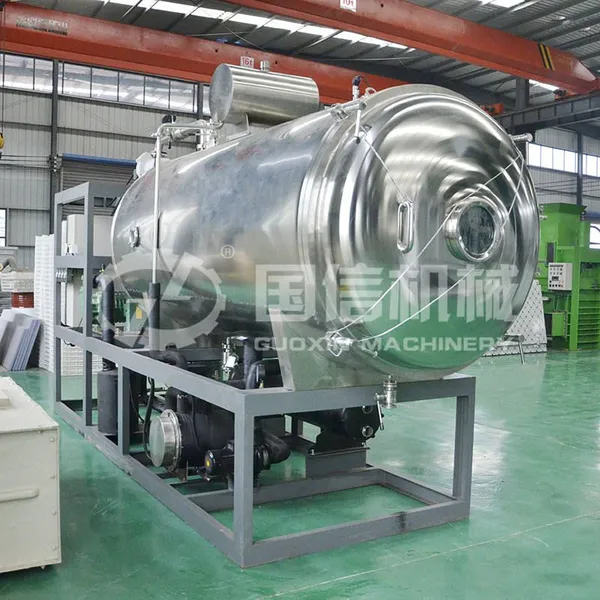 Read More
-
Coir Baling Machine: Cut Export Logistics Cost for Coir Producers
October 18, 2026Loose coir fiber is mostly air. A 40-foot high-cube container that should carry 20 metric tons of export-ready fiber often tops ou Read More
-
Coir Baling Machine: Cut Export Costs by 50%
October 18, 2026If you are a coir processor or exporter struggling with bulky loose coconut fiber, high ocean freight fees, and low container util Read More

Contact Us
Recommended Products
-
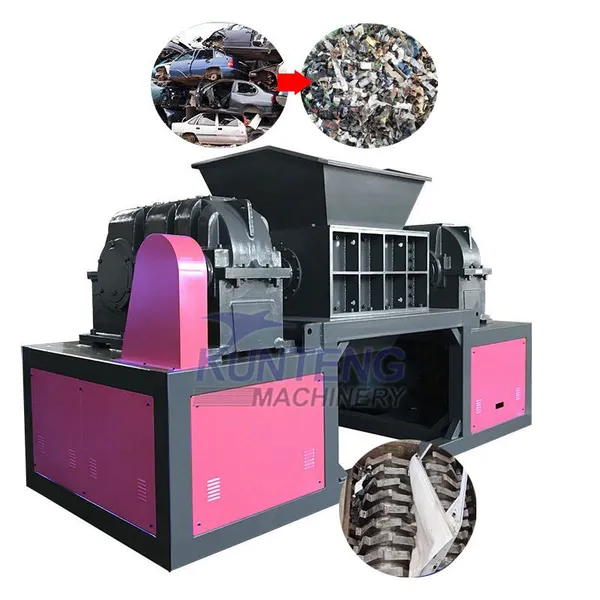
 Continuous Heavy Metals Shredder Damaged Cars Crusher HMS Heavy Melting Steel Scrap Wire MS Iron ShredderNegotiableMOQ: 1 Set
-
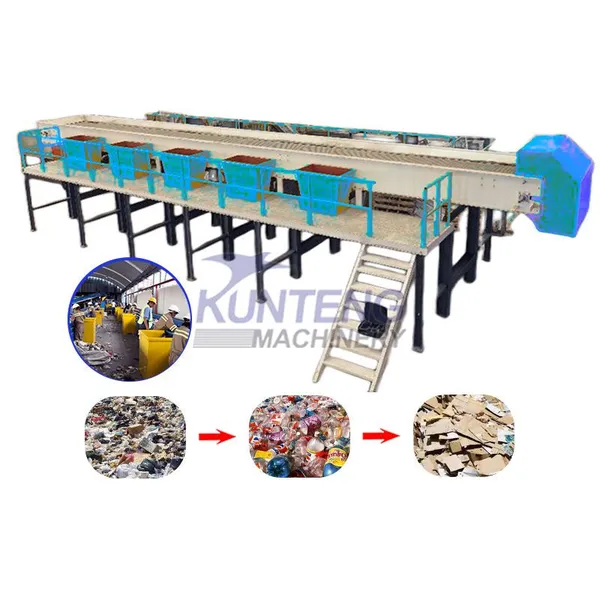
Large Dustbin for Sorting Table With Scrapshoot Hole Waste Segregation Machine Sorting LineNegotiableMOQ: 1 Set
-
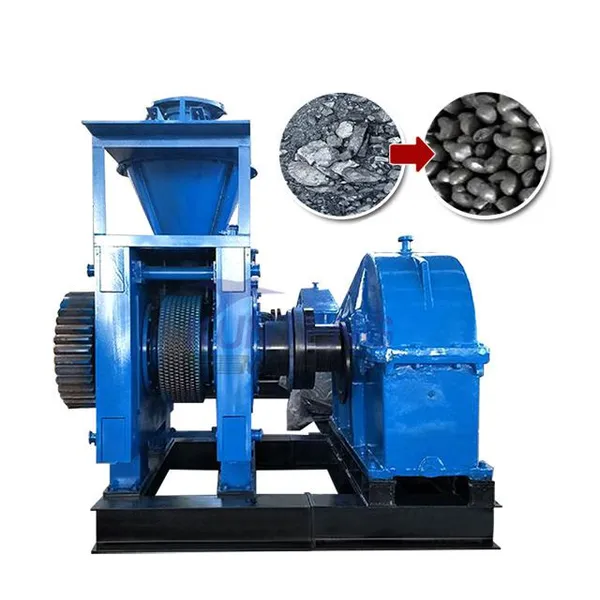
High Productivity Iron Ore Powder Ball Press Machine Mineral Soil Silicon Powder Briquetting MachineNegotiableMOQ: 1 Set
-
Eco-friendly Coconut Shell Charcoal Briquette Making Machine Charcoal Press Machine Bbq Charcoal Production LineNegotiableMOQ: 1 Set
-
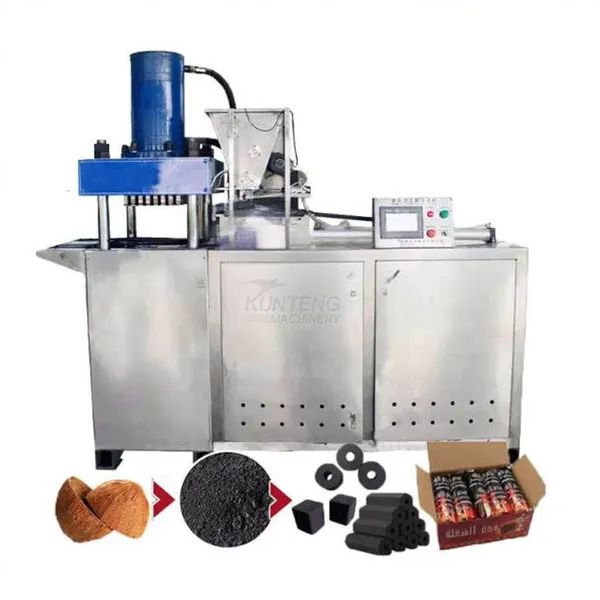
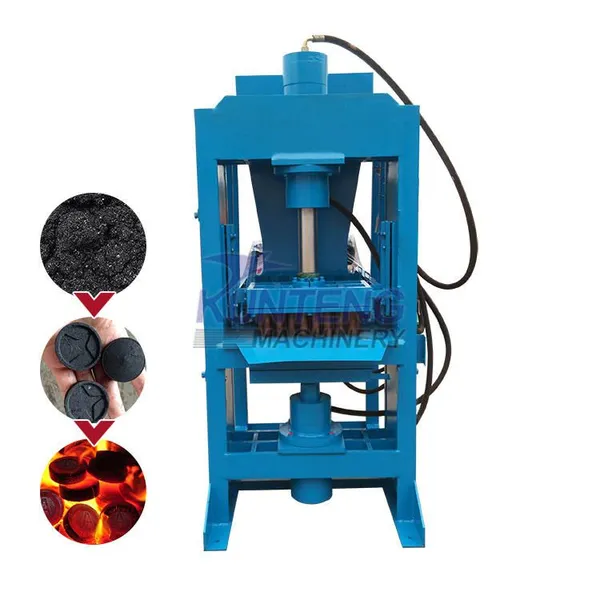
Full Automatic Coconut Charcoal Hydraulic Press Machines Sawdust Charcoal Briquette Machines Biomass Charcoal Briquette MachineNegotiableMOQ: 1 Set
-
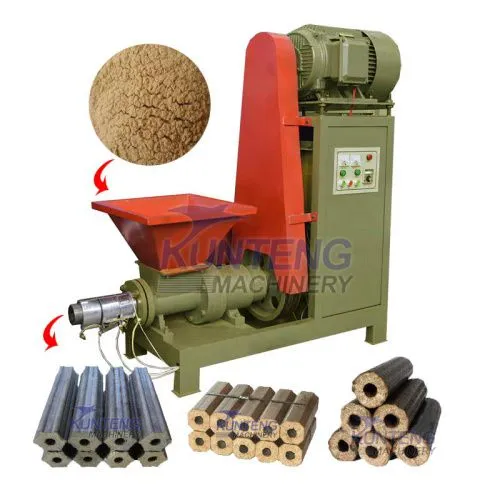
Corn Stalk Briquette Making Machine Chicken Manure Biomass Briquetting Extruder Press MachineNegotiableMOQ: 1 Set
-
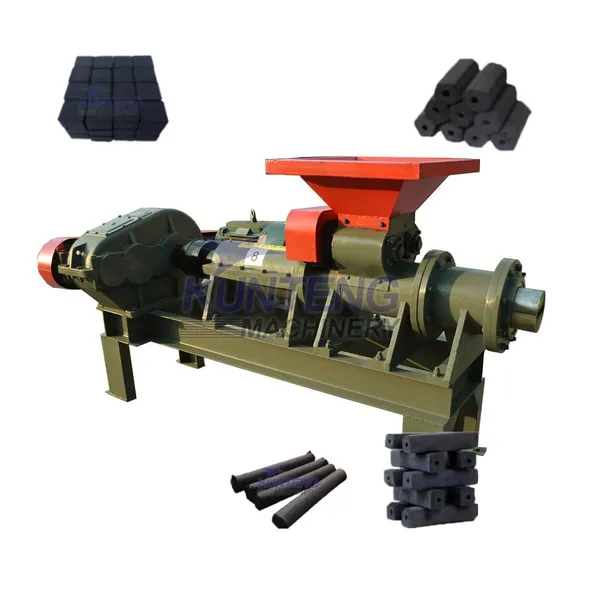
Small Scale Charcoal Briquette Making Machine Compressed Coal Industry Machines Automatic Extruder Production LineNegotiableMOQ: 1 Set
-
Automatic Eco-Friendly Vertical Hosting Carbonization Furnace Horizontal Sawdust Carbonizer FurnaceNegotiableMOQ: 1 Set
-
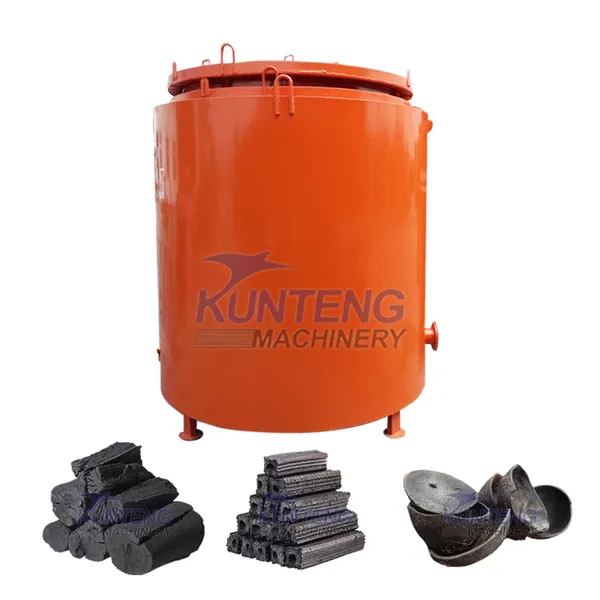
Eco-friendly Charcoal Making Machine Carbonization Furnace Continous Carbonization StoveNegotiableMOQ: 1 Set
-
Coal Press Machine Can Customize Honeycomb Coal Forming Machine Commercial Forming MachineNegotiableMOQ: 1 Set
-
Large Commercial High Productivity Freeze Drier Dryer LyophilizerNegotiableMOQ: 1 Set
-
Monoblock Freezer Blower -18c Cold Storage Cold Room Kits CoolingNegotiableMOQ: 1 Set
-
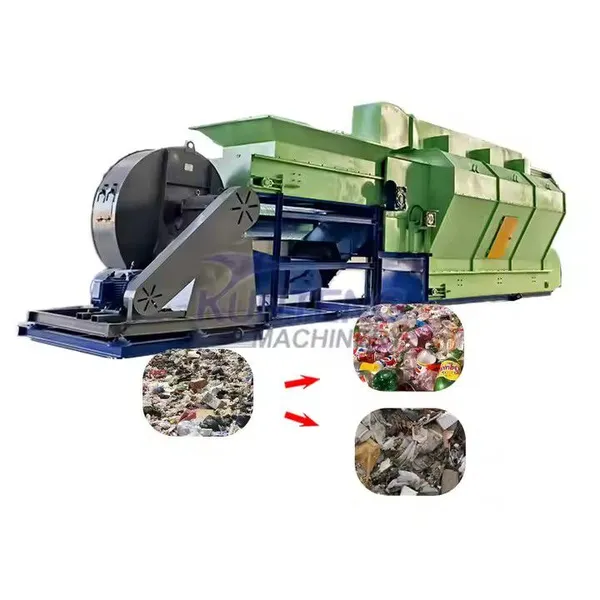
Professional Air Flow Separation Machines Air Separation System for Waste SortingNegotiableMOQ: 1 Set
-
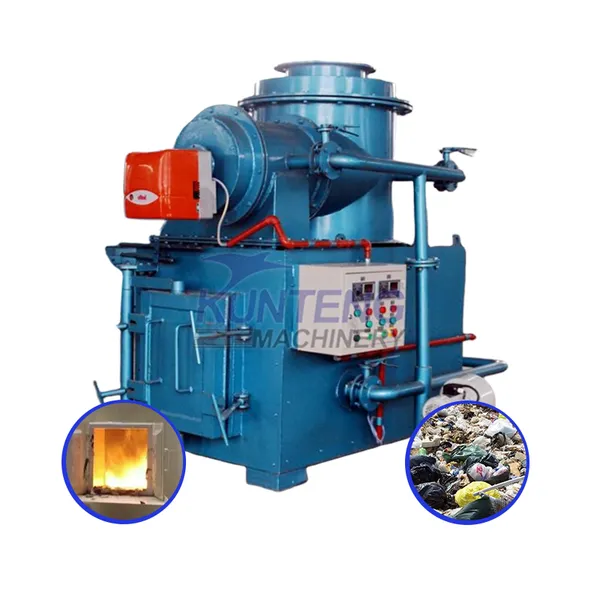
Smokeless Waste Incineration Machine Garbage IncineratorNegotiableMOQ: 1 Set
-
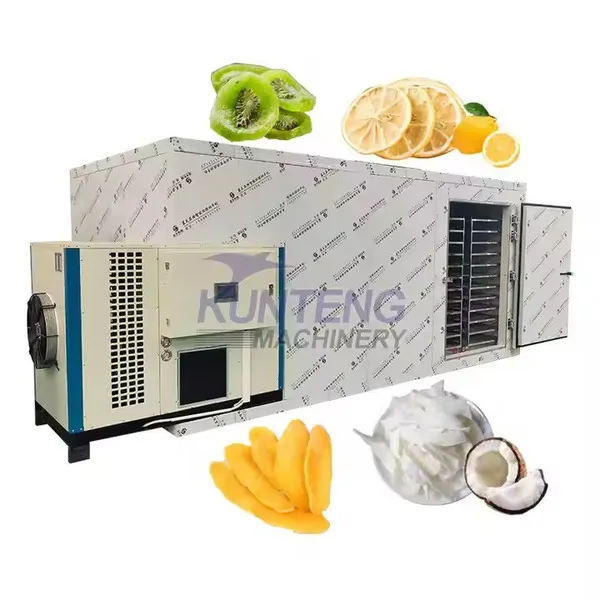
Fruit and Vegetable Drying Processing Machine Grape Raisin Drying Machine Mango Dryer MachineNegotiableMOQ: 1 Set
-
Trommel Screen Machine Construction Waste Sorting EquipmemtsNegotiableMOQ: 1 Set
-
Municipal Solid Waste Converts to RDF Machines Waste Plastic to Fuel Machine Waste Recycling PlantNegotiableMOQ: 1 Set
-
High Capacity Teak Drying Chamber Timber Formwork Dry Machine Wood Drying EquipmentNegotiableMOQ: 1 Set
-
Smart Waste Plastic Crusher and Baler Machine Recycling Machine for Plastic Waste to Make BricksNegotiableMOQ: 1 Set
-
New Design Waste Separation Machine Trommel Screen Machine for Rubbish Garbage Sorting Plant LineNegotiableMOQ: 1 Set