
 Business License
Rectangular Hay Baler: Automation & Density Guide
Published on November 5, 2026
If you run a commercial hay or contracting operation, the bottleneck is rarely the field—it is the baling window. Labor availability, short harvest weather, and the demand to move more tonnes per hour have pushed rectangular balers from simple mechanical workhorses into automated production tools. The modern automatic hay pressing line and hydraulic hay compress baler are built around a single question: how do you produce consistent, export-grade bales at high throughput without adding operators or risking knotter failure?
This guide breaks down where the market is heading, how hydraulic tension and PLC control change the economics of rectangular baling, and a step-by-step density-setting method you can apply on your next crop. It closes with a contractor case and the practical answers B2B buyers ask before specifying a square rectangle bales machine.
The rectangular baling market is shifting toward throughput and automation
The global baler market was valued at USD 6.86 billion in 2025 and is projected to reach USD 14.53 billion by 2034, a CAGR of 8.7% from 2026 to 2034, according to Straits Research (analyst Ismail Sutaria, last updated September 2026). Within that total, square balers remain a distinct segment, and the demand pattern is not simply “more machines”—it is more output per machine.-1
Two forces are reshaping buyer priorities:
Labor-efficient throughput. Manufacturers are increasing pickup capacity and automating repetitive adjustments to help operators produce more bales per field pass with less intervention. Massey Ferguson’s 2025 launch of the SB.1436DB double small square baler—producing two rows per pass with automated density, weight, and dimension controls—is one example of this direction.-1
Density consistency at commercial scale. A bale that is too loose falls apart in handling; a bale that is too dense accelerates plunger wear and risks knotter failure from over-tensioned twine. The economic penalty is measurable: with a 40 lb two-tie target, averaging just two extra flakes per bale can cost roughly 71 bales per hour and 1.43 tons per hour in lost productivity.-20-79
For B2B buyers, the implication is that a hydraulic hay compress baler is no longer a niche upgrade. It is a response to a measurable throughput and labor problem.
How a hydraulic rectangular baler addresses density and uptime
The core mechanical difference between a conventional spring-tension square baler and a hydraulic unit lies in how the chamber rails resist the plunger. With hand-cranked springs, the force changes as the rails move; with hydraulic cylinders, the system can hold near-constant force once it relieves to a set pressure. In practice, that difference matters most when crop conditions shift within a single field—exactly the scenario commercial operators face daily.-12
Hydraulic tension on a rectangular baler delivers three operational advantages:
Adaptation to moisture and windrow variation. A hydraulic system can temporarily back off when a heavier, wet slug enters the chamber, then reapply pressure—preventing the torque spikes that damage gearboxes and shear bolts in spring-tension machines.-13
Cab-controlled jam recovery. Full chamber pressure can be released instantly from the tractor seat, shortening the time lost to a plug.-13
More stable bale weight. Because hydraulic force is less sensitive to rail movement, the same setting produces more consistent bale weight across the field—a direct input to transport and storage economics.
When this is integrated into an automatic hay pressing line with PLC control, the operator moves from manually reacting to density drift to setting a target and letting the system hold it. Sensors and PLC logic can start and stop the feed conveyor based on hopper position, maintain compression cycles, and enable one-button bale ejection and bagging. The result is not “unmanned” baling; it is one operator managing a predictable, repeatable process.-42
How to set rectangular bale density for commercial throughput (step-by-step)
Long-tail search intent for this topic is usually specific: how to set rectangular hay baler density for consistent bale weight in high-moisture or variable crops. The method below is built from the mechanical logic of large square baler density control, where plunger force meets adjustable chamber resistance.-20
Measure moisture before you touch the density setting. Target dry grass hay at roughly 10–18% moisture; above 18%, baling losses and spoilage risk rise sharply, and the chamber behaves differently because damp stems bend rather than spring back.-12-20
Establish a baseline with the crop you are actually baling. Wheat straw at 8% moisture is springy and needs higher chamber resistance to reach moderate density; high-moisture silage grass at 55% resists the chamber with far greater force per unit volume. A setting copied from last season’s dry hay will not transfer.-20
Set hydraulic chamber pressure, then verify by weighing real bales. Do not trust the gauge alone. Aim for a target bale weight and check it on a scale at the start of each field; density drift often appears first as a weight change, not a visual defect.-12
Adjust for time of day. Dew changes friction and spring-back: the same rail setting that produced a 45 lb bale at 2 p.m. can produce a noticeably heavier bale after dew sets. On hydraulic systems, lower the pressure setting when damp conditions begin rather than waiting for weight complaints.-12
Watch for the two failure signatures. Alternating dense and loose bales usually point to feed inconsistency; consistently loose bales with poor tying point to knotter wear, twine tension faults, or bale-shape change before knot completion. On a hydraulic machine, density that will not respond to pressure adjustment may indicate a faulty tension cylinder or relief valve.-36-51
Contractor case: 65 bales per hour and 1.5 machines of output from one platform
Brian Schofield runs Schofield’s Hay and Silage, a family contracting business based in Forbes, central west New South Wales, servicing dairy, beef, and sheep producers plus corporate hay customers. He moved from a previous baler to a New Holland BigBaler 1290 High Density and has since run over 12,000 bales through the machine.-27
The operational numbers are the relevant part for B2B buyers evaluating a rectangular platform:
Average throughput: around 65 bales per hour, with peaks in the 80s and 90s.-27
Bale weight: a consistent 480–500 kg per bale, up from roughly 450 kg with the previous machine—more tonnes per hour through the paddock at the same forward speed.-27
Effective capacity: Schofield estimates the setup is now equivalent to 1.5 balers, while still running one tractor and one driver.-27
Knotters as a bottleneck point: he identified the loop-master knotters as a major advantage, noting reliability keeps the machine working when the weather window is open and “every bale counts”.-27
The takeaway is not that every operation needs a 500 kg bale. It is that throughput gains in rectangular baling come from the combination of density stability, knotter reliability, and reduced operator intervention—the same design priorities that separate a conventional square baler from a hydraulic, automation-ready rectangular platform.
FAQ: What B2B buyers ask before specifying a rectangular baler
What is the minimum order quantity (MOQ) for a rectangular hay baler?
For standard models, MOQ is commonly 1 set, with two sets fitting in a 40HQ container for freight efficiency. OEM and private-label programs may adjust MOQ by product family and configuration; confirm at the enquiry stage.-55
What lead time should I plan for?
Standard configurations typically ship within 25–45 days from order confirmation, depending on complexity and customization requirements. OEM orders with specification engineering—chamber dimensions, PTO rating, knotting system, or private-label branding—require an additional engineering review and sample approval phase.-55
Can the machine be customized for my crop, bale size, or brand?
Yes. Square baler OEM programs commonly allow modification of bale cross-section, knotting system, feeder channel width, and twine type, along with private-label bodywork, manuals, and packaging. For EU, Australian, or Canadian markets, CE documentation, AS/NZS compatibility assessments, and phytosanitary preparation can be specified during the engineering review.-55
Next step: specify for your throughput, not for a catalog headline
Rectangular baling is a density-and-uptime business. The machine that protects your harvest window is the one that holds bale weight across moisture shifts, clears a plug without a shear-bolt replacement, and keeps the knotter cycling when the field is ready. If you are evaluating an automatic hay pressing line or a hydraulic hay compress baler for a commercial operation, start with three numbers: your target bales per hour, your target bale weight range, and the moisture range you actually bale in. Those three inputs determine whether a hydraulic rectangular platform is the right specification—and what configuration will deliver the throughput you are underwriting.
Recently Posted
-
Drying Ovens for Charcoal Briquettes: Cut Cracks
November 4, 2026Charcoal briquette producers lose margin at the final stage of production: the drying room. Briquettes leave the press at roughly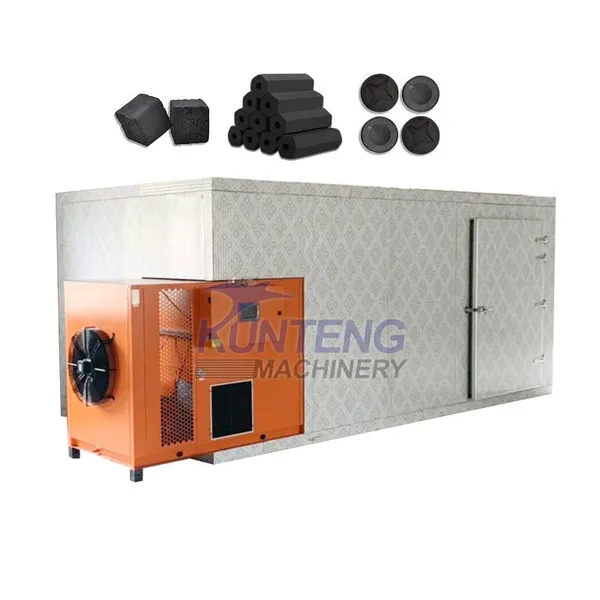 Read More
-
Microwave Sterilize Dryer: Cut Nut & Grain Rejections
November 3, 2026Every container of nuts or grains that fails aflatoxin or microbial testing at the port is a direct write-off—and a recurring one.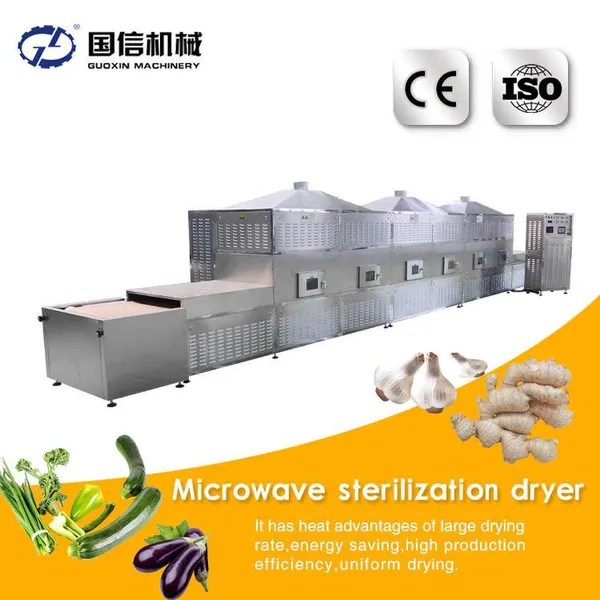 Read More
-
Compost Sieve for MSW Sorting Machine Plant
November 2, 2026Published on 2 November 2026If your City Garbage Sorting Production Line recovers organic material but still sends oversized rejec Read More
-
MSW to RDF: A Practical B2B Buyer’s Guide
October 31, 2026Municipal solid waste recycling plants are under pressure to produce a fuel that cement kilns will actually accept—not just shredd Read More

Contact Us
Recommended Products
-
 Continuous Heavy Metals Shredder Damaged Cars Crusher HMS Heavy Melting Steel Scrap Wire MS Iron ShredderNegotiableMOQ: 1 Set
-
Large Dustbin for Sorting Table With Scrapshoot Hole Waste Segregation Machine Sorting LineNegotiableMOQ: 1 Set
-
High Productivity Iron Ore Powder Ball Press Machine Mineral Soil Silicon Powder Briquetting MachineNegotiableMOQ: 1 Set
-
Eco-friendly Coconut Shell Charcoal Briquette Making Machine Charcoal Press Machine Bbq Charcoal Production LineNegotiableMOQ: 1 Set
-
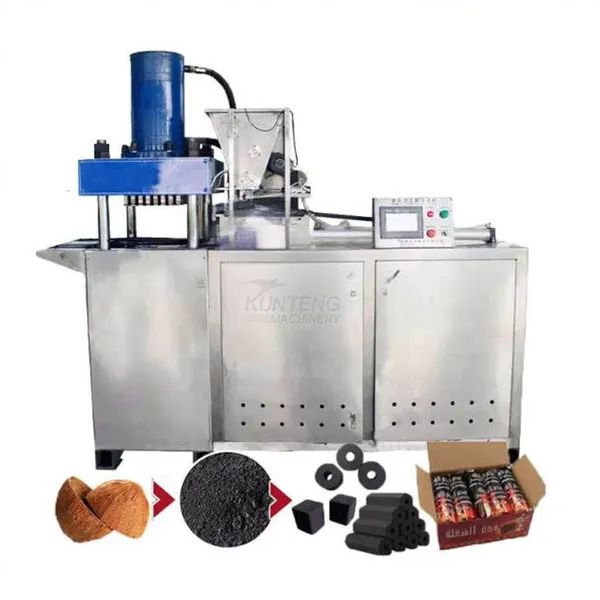
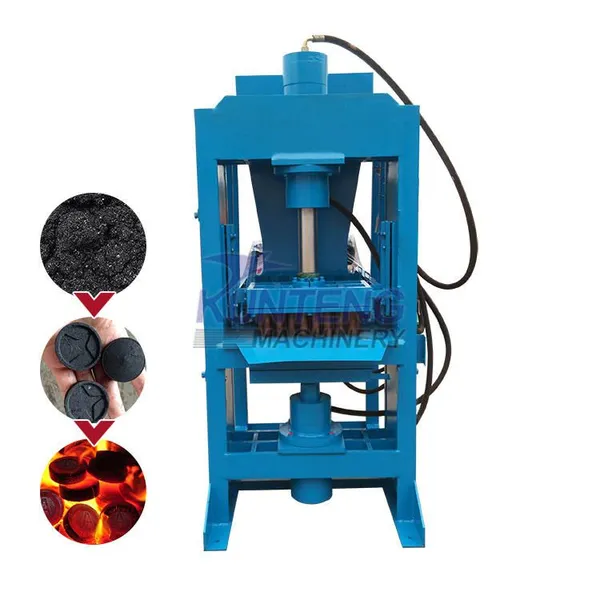
Full Automatic Coconut Charcoal Hydraulic Press Machines Sawdust Charcoal Briquette Machines Biomass Charcoal Briquette MachineNegotiableMOQ: 1 Set
-
Corn Stalk Briquette Making Machine Chicken Manure Biomass Briquetting Extruder Press MachineNegotiableMOQ: 1 Set
-
Small Scale Charcoal Briquette Making Machine Compressed Coal Industry Machines Automatic Extruder Production LineNegotiableMOQ: 1 Set
-
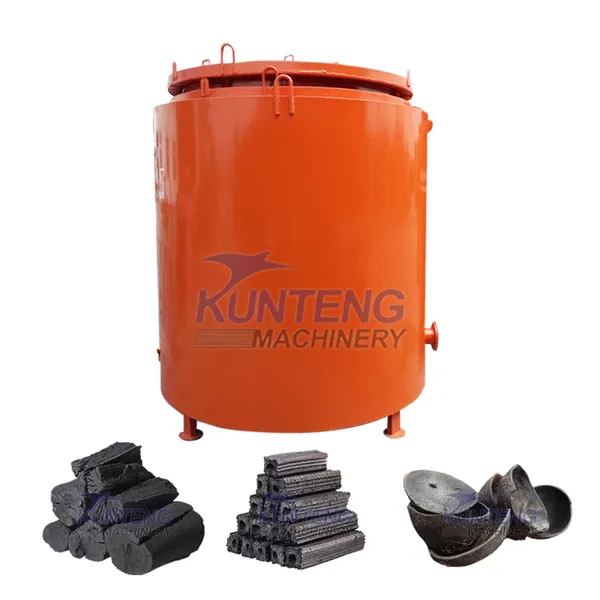
Automatic Eco-Friendly Vertical Hosting Carbonization Furnace Horizontal Sawdust Carbonizer FurnaceNegotiableMOQ: 1 Set
-
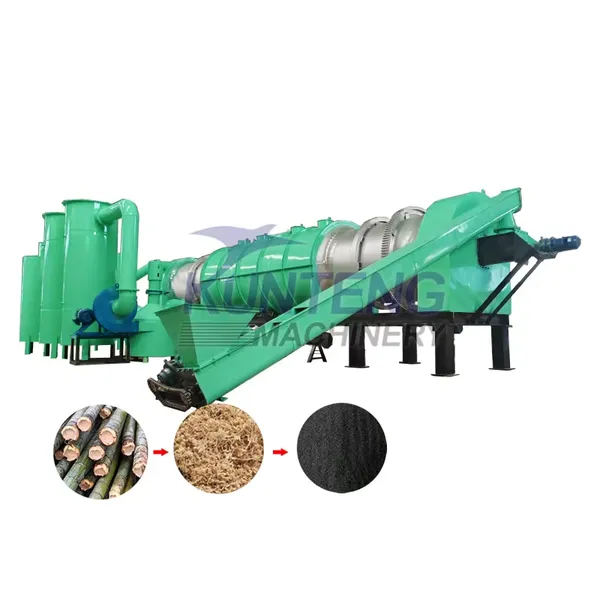
Eco-friendly Charcoal Making Machine Carbonization Furnace Continous Carbonization StoveNegotiableMOQ: 1 Set
-
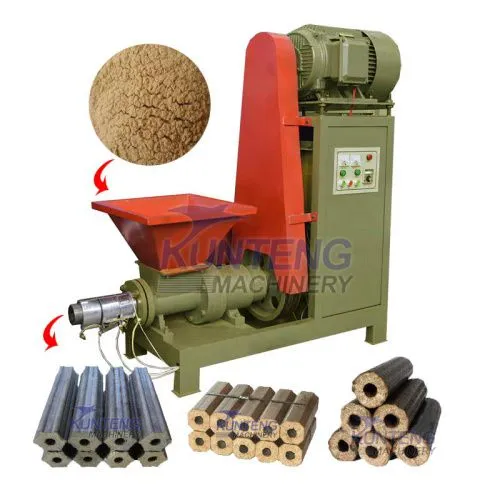
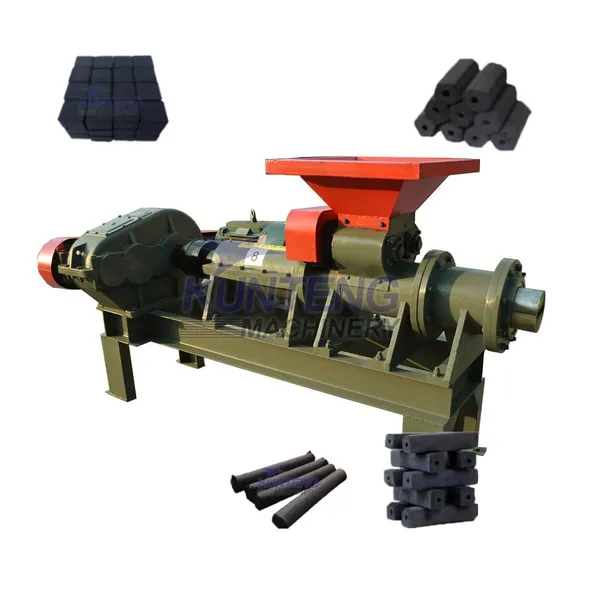
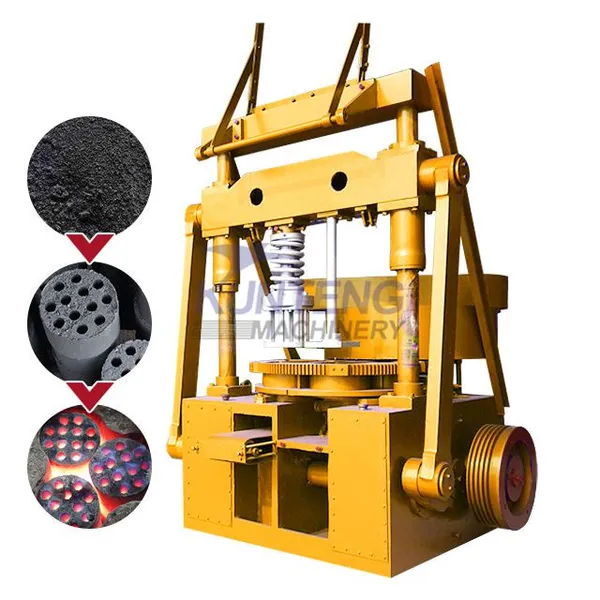
Coal Press Machine Can Customize Honeycomb Coal Forming Machine Commercial Forming MachineNegotiableMOQ: 1 Set
-
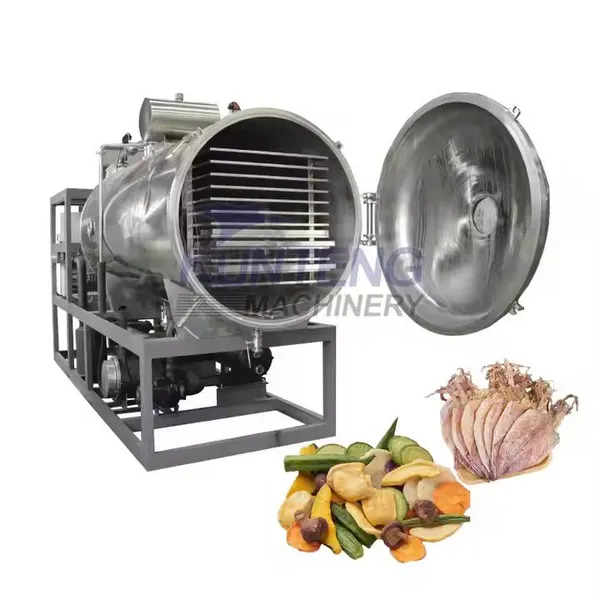
Large Commercial High Productivity Freeze Drier Dryer LyophilizerNegotiableMOQ: 1 Set
-
Monoblock Freezer Blower -18c Cold Storage Cold Room Kits CoolingNegotiableMOQ: 1 Set
-
Professional Air Flow Separation Machines Air Separation System for Waste SortingNegotiableMOQ: 1 Set
-
Smokeless Waste Incineration Machine Garbage IncineratorNegotiableMOQ: 1 Set
-
Fruit and Vegetable Drying Processing Machine Grape Raisin Drying Machine Mango Dryer MachineNegotiableMOQ: 1 Set
-
Trommel Screen Machine Construction Waste Sorting EquipmemtsNegotiableMOQ: 1 Set
-
Municipal Solid Waste Converts to RDF Machines Waste Plastic to Fuel Machine Waste Recycling PlantNegotiableMOQ: 1 Set
-
High Capacity Teak Drying Chamber Timber Formwork Dry Machine Wood Drying EquipmentNegotiableMOQ: 1 Set
-
Smart Waste Plastic Crusher and Baler Machine Recycling Machine for Plastic Waste to Make BricksNegotiableMOQ: 1 Set
-
New Design Waste Separation Machine Trommel Screen Machine for Rubbish Garbage Sorting Plant LineNegotiableMOQ: 1 Set