
 Business License
Drying Ovens for Charcoal Briquettes: Cut Cracks
Charcoal briquette producers lose margin at the final stage of production: the drying room. Briquettes leave the press at roughly 25–30% moisture and must reach below 8% to meet European barbecue fuel standards, but sun-drying takes 3–5 days and exposes brittle product to humidity swings that cause surface cracks and breakage. This guide explains how a properly engineered dryer room for charcoal briquettes shortens that cycle to 8–12 hours, what a hot air circulating dryer does differently from conventional drying, and how to prevent the cracking problem that quietly erodes batch yield. It is written for production managers and procurement teams evaluating drying capacity against rising export demand.-46
Why Drying Capacity Is Becoming the Bottleneck in Charcoal Briquette Production
The charcoal briquettes market was valued at USD 3.60 billion in 2025 and is projected to reach USD 3.82 billion in 2026, expanding at a 6.1% CAGR to USD 6.50 billion by 2035, according to GMI Insights' Charcoal Briquettes Market Size & Share 2026–2035 report (published October 2026). Growth is not evenly distributed across the value chain. Demand is shifting toward higher-value formats—premium grilling briquettes, hookah charcoal, and commercial food-service supply—where consistency and structural integrity matter more than raw volume alone. The same GMI analysis identifies commercial food service as the fastest-growing application segment through 2035, driven by institutional procurement that will not tolerate cracked or crumbly product.-2
That quality expectation is now codified. EN 1860-2:2023, the European standard for barbecue charcoal and barbecue charcoal briquettes, stipulates a maximum moisture content of 8% (wet basis). Lower moisture is not a cosmetic preference: residual water hinders ignition, produces smoke, and reduces usable heat output per kilogram. A briquette that leaves the dryer at 12% may pass a casual visual inspection but fails at the point of combustion—after it has already been bagged, shipped, and sold.-17
The operational reality inside most plants lags behind that standard. After compression, briquettes carry roughly 30% moisture. Open sun-drying depends on weather, occupies large floor area, and creates a moisture gradient between the surface and core of each briquette. Surface overdrying while the interior remains wet is the direct cause of the cracking and deformation that generate rejects. Producers scaling up to serve export buyers cannot solve this by adding more drying yard; they need a controlled batch system that applies heat uniformly and removes moisture at a rate the briquette structure can tolerate.-46
How a Hot Air Circulating Dryer Solves the Uniformity and Cracking Problem
A hot air circulating dryer is not simply a heated room. Its performance depends on how air moves through the load. In a walk-in drying chamber, trolleys of tray-loaded briquettes are rolled directly inside. A fan draws air into the chamber, heats it to the set temperature, and forces it across every tray from top to bottom rather than allowing heat to stratify. The circulation path is engineered so that the air arriving at the bottom rack is close in temperature and humidity to the air at the top. Independent drying research on five-layer charcoal briquette chambers confirms that uniform heat distribution combined with enhanced internal air circulation enables consistent and thorough drying across the batch.-11-46
That uniformity is the mechanism behind crack prevention. When airflow is uneven, briquettes in high-velocity zones dry faster on the surface than the core can release moisture. The surface shrinks, the interior does not, and a crack forms. A properly ducted industrial fan blower tray dryer avoids this by controlling both temperature and air velocity: the goal is not maximum fan power but controlled airflow that removes moisture at a rate the briquette matrix can sustain. Commercial drying rooms using this principle dry charcoal briquettes in the 8–12 hour range while preserving structural integrity for high-grade BBQ and shisha products.-46
Temperature control reinforces the effect. PLC-based systems monitor internal humidity and temperature in real time, typically within a 50°C–120°C operating band, and automatically exhaust humid air at set intervals rather than venting continuously and wasting heat. This matters for energy economics as well as quality. A case study of a wood charcoal drying installation in Sierra Leone noted that high-density polyurethane insulation board in the chamber locks in heat and significantly reduces energy consumption—a factor the operator identified as critical to profit margin. In practical terms, the dryer competes not with free sunlight but with the hidden cost of rejected batches, delayed shipments, and rework.-37-46
How to Prevent Surface Cracking in Charcoal Briquettes with a Hot Air Circulating Dryer
The long-tail operational question buyers actually search is not “what is a dryer” but “how to prevent surface cracking in charcoal briquettes with a hot air circulating dryer.” The answer is a commissioning and operating sequence, not a single machine setting.
Match tray loading density to airflow design. Overloading trays blocks the circulation path. The engineered airflow assumes a specific gap between briquettes and between tray layers. Loading beyond that density creates shadow zones where air velocity drops and drying stalls, forcing operators to raise temperature and increasing crack risk.
Set a staged temperature ramp, not a single setpoint. Briquettes entering at 25–30% moisture are mechanically weakest. A controlled ramp allows surface moisture to evaporate without case-hardening the exterior. High-temperature drying research shows that efficiency gains are real, but the temperature must be paired with airflow that carries moisture away from the surface.-11
Use humidity exhaust cycles rather than continuous venting. Automatic moisture exhaust at precise intervals removes saturated air without collapsing chamber temperature. Continuous venting lowers humidity too aggressively and creates a drying gradient across the batch.
Verify moisture at the core, not the surface. A surface reading below 8% does not confirm batch compliance with EN 1860-2:2023. Sample from the center of the thickest briquettes on the bottom tray—the slowest-drying position in the chamber—before releasing the batch.-17
Inspect the first two hours of every new product format. Binder ratio, briquette geometry, and raw material source all change drying behavior. The cracking risk is highest in the early stage of the cycle; a short observation window after loading catches airflow problems before the entire batch is affected.
A Real Deployment: Customized Drying Room for a Philippine Charcoal Processor
A charcoal processing enterprise in the Philippines producing BBQ briquettes, hookah charcoal, and general charcoal products faced a specific constraint: charcoal briquettes are brittle and highly prone to breakage during transport and storage, and the client needed a drying solution that could stabilize output without sacrificing product integrity. Sun-drying and uncontrolled methods produced unacceptable losses from humidity fluctuation and handling.-39
The solution delivered was a customized 10-trolley drying room employing a scientifically designed hot air circulation system, with the explicit objective of uniform internal temperature distribution for efficient batch drying. The system was selected over alternative drying approaches because it offered controllable temperature and uniform drying, and—critically for brittle charcoal sticks—preserved product integrity while preventing losses caused by environmental humidity changes. The equipment was specified for large-capacity operation with low energy consumption, and constructed for maintainability to support long-term stable operation.-39
The measurable outcome for this deployment is structural: the client gained a batch drying process decoupled from ambient humidity, reducing the waste and quality downgrades that had constrained market competitiveness. For buyers evaluating similar capacity, the relevant lesson is that drying room configuration—trolley count, airflow layout, and heat source—can be matched to the product mix rather than accepting a standard chamber that underperforms on the most brittle SKU.
Frequently Asked Questions
What is the minimum order quantity for a charcoal briquette drying room?
Drying rooms are project-based capital equipment rather than consumables. Configurations range from single-chamber batch units to multi-trolley systems; the 10-trolley unit referenced above was a customized build. MOQ is typically one unit, with specification—chamber dimensions, trolley count, tray capacity, and heat source—determined by daily output target and briquette format. Buyers should provide moisture input, target moisture, batch weight, and available footprint before requesting a configuration.-39
What is the typical lead time from order to shipment?
Lead time depends on chamber size, heat source selection (heat pump, biomass, or electric), and PLC control specification. Customized multi-trolley rooms generally require a longer production window than standard single-chamber units because airflow ducting and insulation are built to the specific layout. A practical approach is to request a production schedule alongside the technical proposal and to confirm factory acceptance testing criteria before shipment.
Can the drying room be customized for different briquette shapes and heat sources?
Yes. Box-type and walk-in drying rooms are compatible with a range of briquette shapes and sizes, unlike continuous mesh-belt dryers that impose stricter geometry constraints. Heat source options include heat pump systems for low energy consumption, biomass or wood-burning stoves using waste wood or charcoal fines, and electric heating elements for clean continuous operation. Customization should be driven by local fuel availability, electricity cost, and the product mix—particularly whether the line includes brittle hookah charcoal alongside denser BBQ briquettes.-46
Next Step: Specify the Dryer Against Your Moisture Target, Not a Catalogue Size
The difference between a drying room that meets EN 1860-2:2023 and one that produces cracks is decided before the equipment is ordered: in the airflow design, the temperature control strategy, and whether the chamber is configured for the specific brittleness of your briquette. A dryer sized only by chamber volume will underperform on the metric that matters—first-pass yield of saleable product.
If you are evaluating drying capacity for a new or expanding briquette line, the productive next step is to define your inputs: current moisture after pressing, target moisture for your destination market, batch weight per cycle, available heat source, and the most fragile SKU in your product mix. Those five data points are sufficient to move from a generic quotation to a configuration that addresses the cracking problem at its source.
Recently Posted
-
Microwave Sterilize Dryer: Cut Nut & Grain Rejections
November 3, 2026Every container of nuts or grains that fails aflatoxin or microbial testing at the port is a direct write-off—and a recurring one. Read More
-
Compost Sieve for MSW Sorting Machine Plant
November 2, 2026Published on 2 November 2026If your City Garbage Sorting Production Line recovers organic material but still sends oversized rejec Read More
-
MSW to RDF: A Practical B2B Buyer’s Guide
October 31, 2026Municipal solid waste recycling plants are under pressure to produce a fuel that cement kilns will actually accept—not just shredd Read More
-
Frozen French Fries Potato Production Line: A Buyer’s Yield Guide
October 30, 2026Published on October 30, 2026Most frozen French fries production line investments fail not at the frying stage, but at the sizing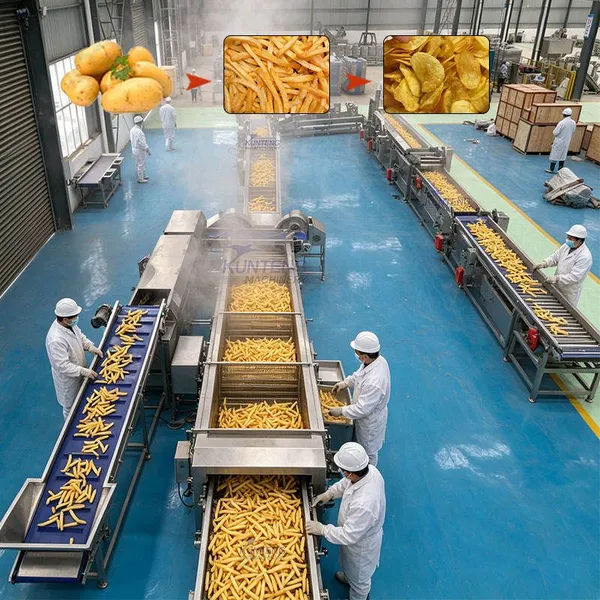 Read More

Contact Us
Recommended Products
-
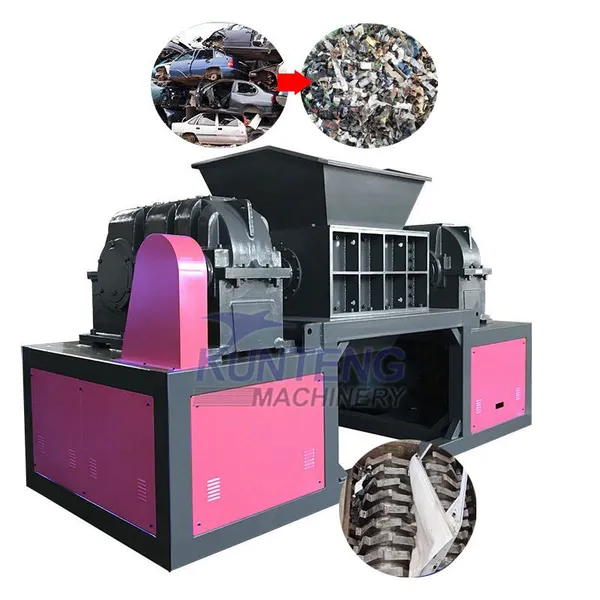
 Continuous Heavy Metals Shredder Damaged Cars Crusher HMS Heavy Melting Steel Scrap Wire MS Iron ShredderNegotiableMOQ: 1 Set
-
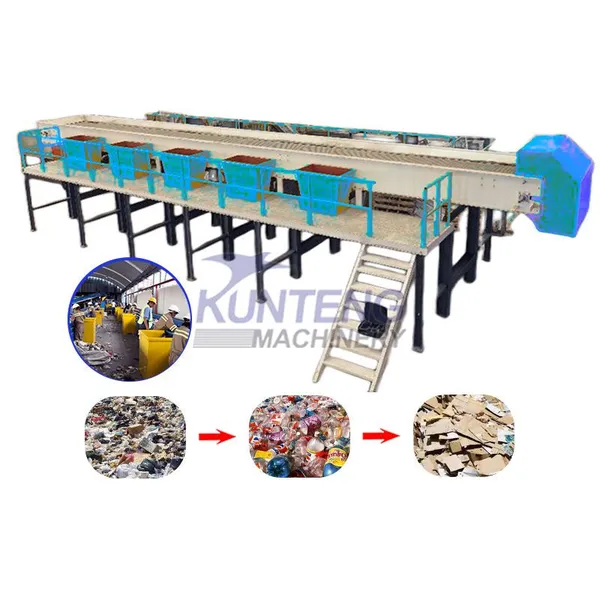
Large Dustbin for Sorting Table With Scrapshoot Hole Waste Segregation Machine Sorting LineNegotiableMOQ: 1 Set
-
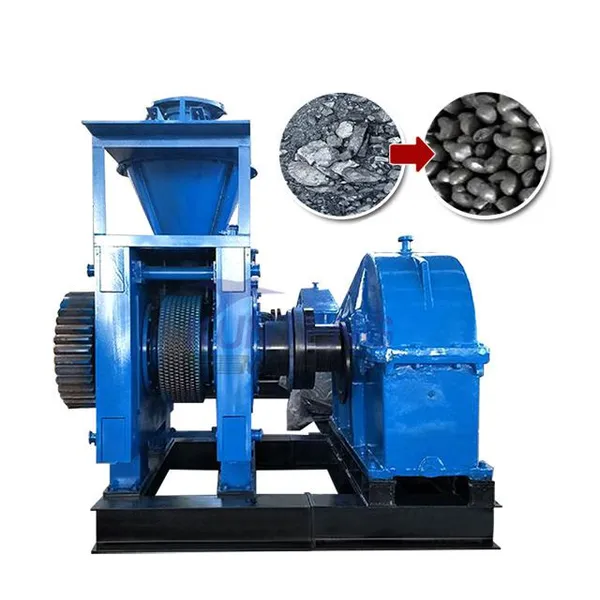
High Productivity Iron Ore Powder Ball Press Machine Mineral Soil Silicon Powder Briquetting MachineNegotiableMOQ: 1 Set
-
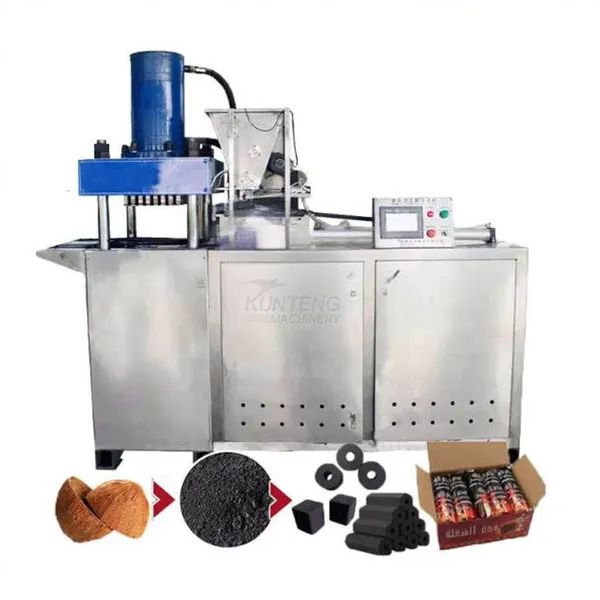
Eco-friendly Coconut Shell Charcoal Briquette Making Machine Charcoal Press Machine Bbq Charcoal Production LineNegotiableMOQ: 1 Set
-
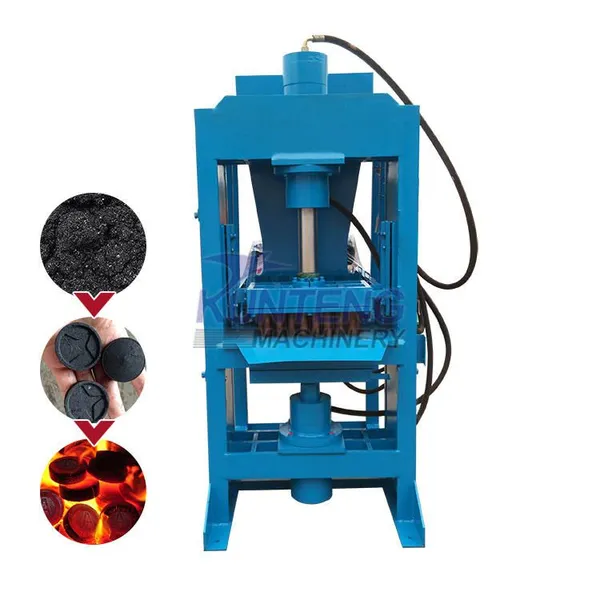
Full Automatic Coconut Charcoal Hydraulic Press Machines Sawdust Charcoal Briquette Machines Biomass Charcoal Briquette MachineNegotiableMOQ: 1 Set
-
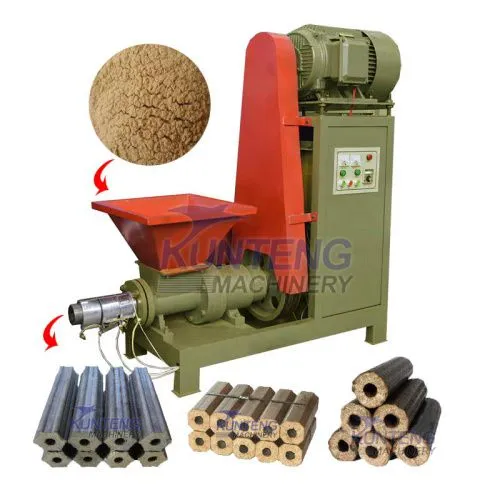
Corn Stalk Briquette Making Machine Chicken Manure Biomass Briquetting Extruder Press MachineNegotiableMOQ: 1 Set
-
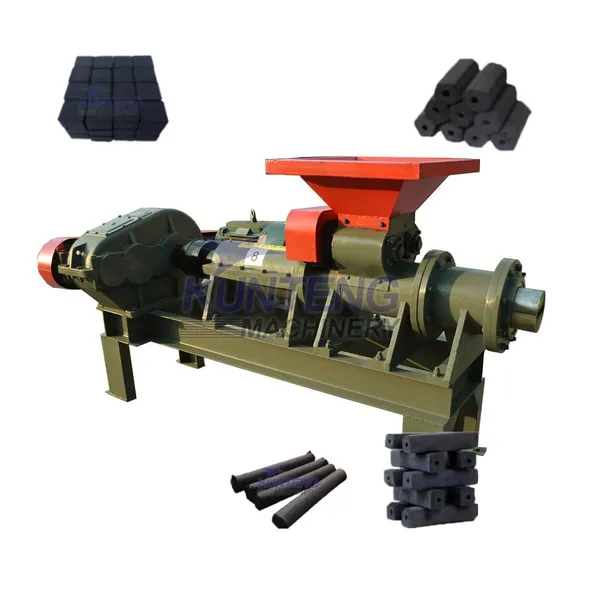
Small Scale Charcoal Briquette Making Machine Compressed Coal Industry Machines Automatic Extruder Production LineNegotiableMOQ: 1 Set
-
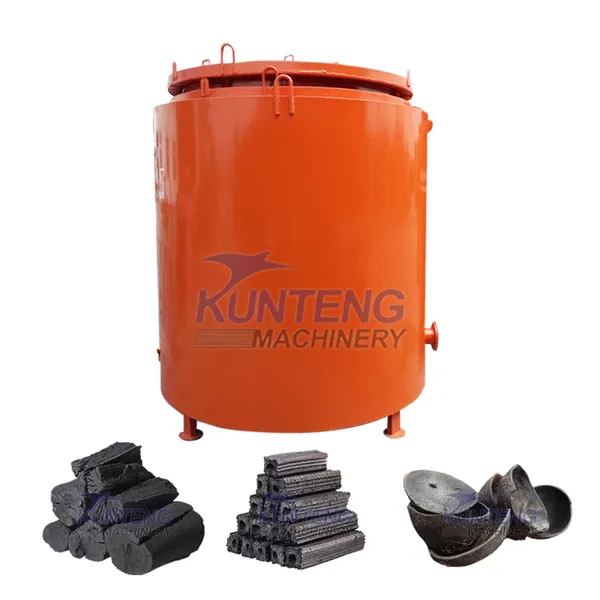
Automatic Eco-Friendly Vertical Hosting Carbonization Furnace Horizontal Sawdust Carbonizer FurnaceNegotiableMOQ: 1 Set
-
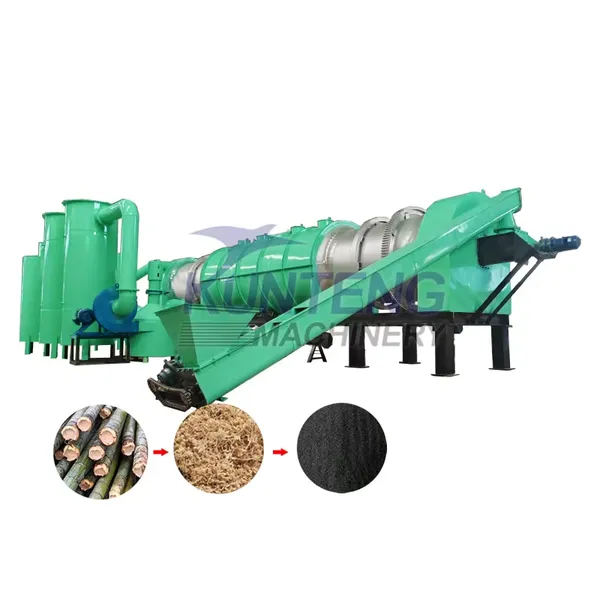
Eco-friendly Charcoal Making Machine Carbonization Furnace Continous Carbonization StoveNegotiableMOQ: 1 Set
-
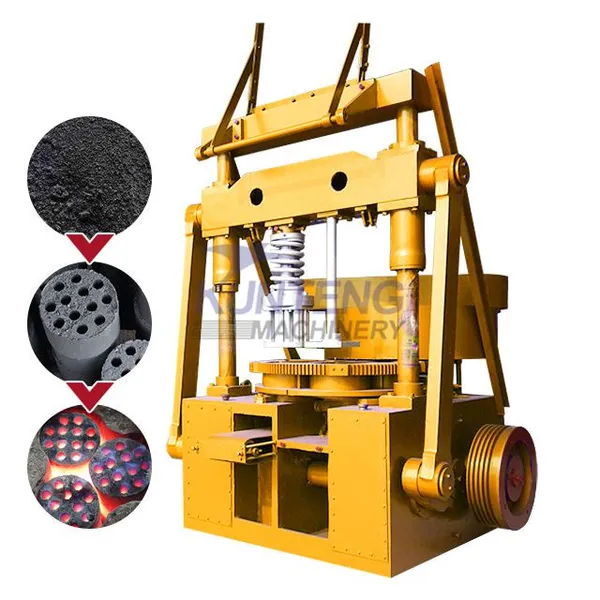
Coal Press Machine Can Customize Honeycomb Coal Forming Machine Commercial Forming MachineNegotiableMOQ: 1 Set
-
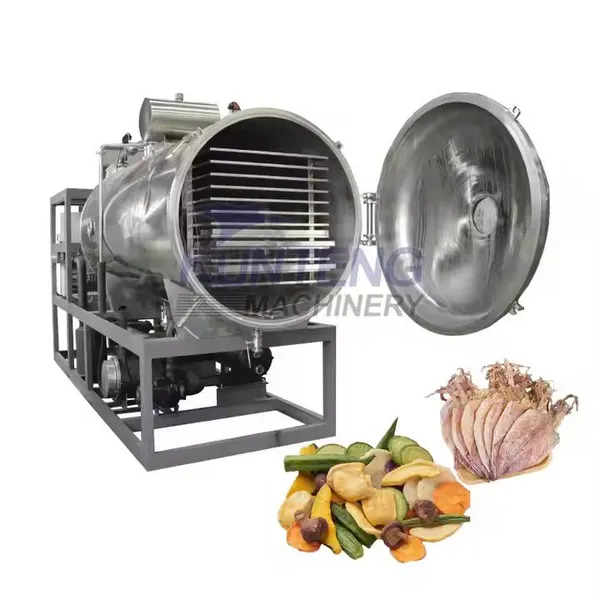
Large Commercial High Productivity Freeze Drier Dryer LyophilizerNegotiableMOQ: 1 Set
-
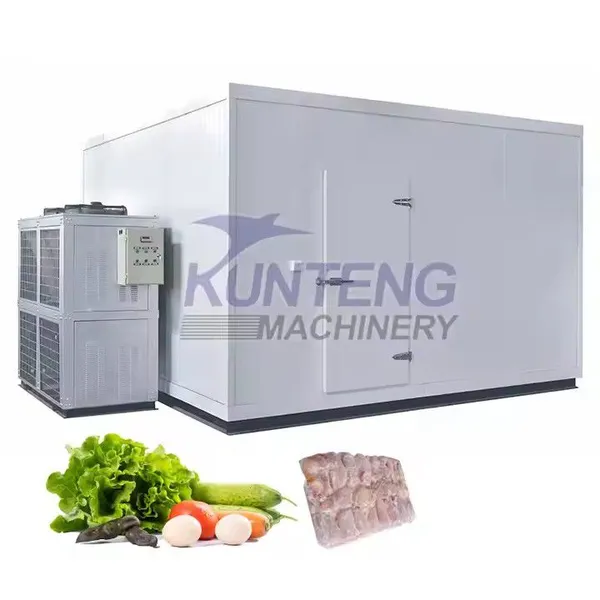
Monoblock Freezer Blower -18c Cold Storage Cold Room Kits CoolingNegotiableMOQ: 1 Set
-
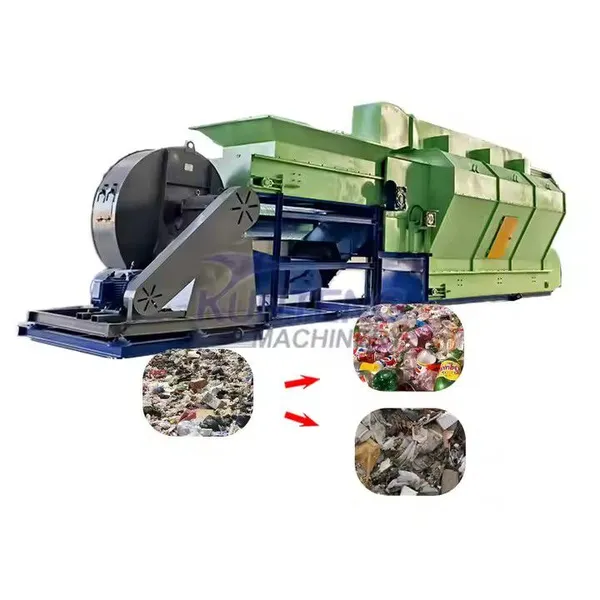
Professional Air Flow Separation Machines Air Separation System for Waste SortingNegotiableMOQ: 1 Set
-
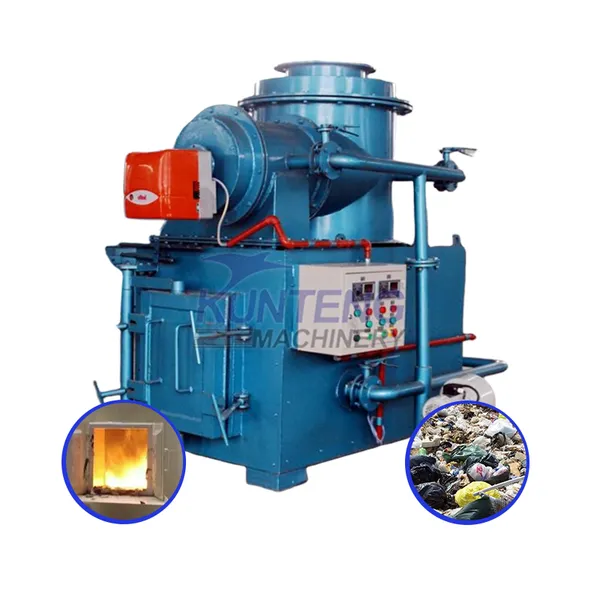
Smokeless Waste Incineration Machine Garbage IncineratorNegotiableMOQ: 1 Set
-
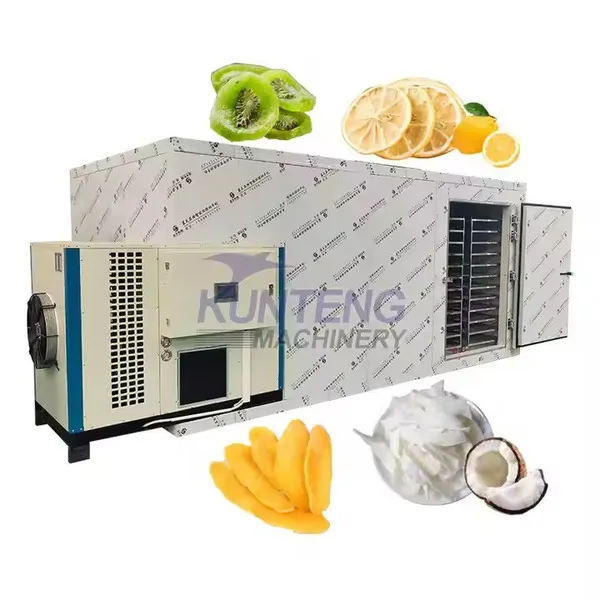
Fruit and Vegetable Drying Processing Machine Grape Raisin Drying Machine Mango Dryer MachineNegotiableMOQ: 1 Set
-
Trommel Screen Machine Construction Waste Sorting EquipmemtsNegotiableMOQ: 1 Set
-
Municipal Solid Waste Converts to RDF Machines Waste Plastic to Fuel Machine Waste Recycling PlantNegotiableMOQ: 1 Set
-
High Capacity Teak Drying Chamber Timber Formwork Dry Machine Wood Drying EquipmentNegotiableMOQ: 1 Set
-
Smart Waste Plastic Crusher and Baler Machine Recycling Machine for Plastic Waste to Make BricksNegotiableMOQ: 1 Set
-
New Design Waste Separation Machine Trommel Screen Machine for Rubbish Garbage Sorting Plant LineNegotiableMOQ: 1 Set