
 Business License
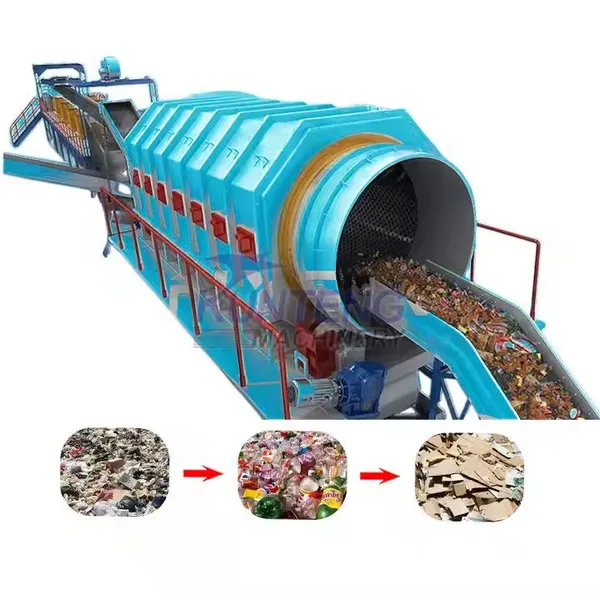
Compost Sieve for MSW Sorting Machine Plant
Published on 2 November 2026
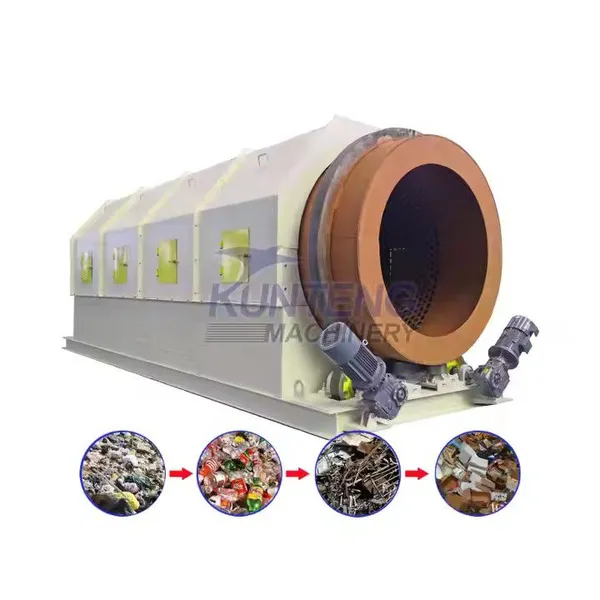
If your City Garbage Sorting Production Line recovers organic material but still sends oversized rejects to landfill, the bottleneck is rarely the composting process itself. It is the sieve. In a modern MSW Sorting Machine Plant, the compost sieve—typically a trommel screen—is the unit that determines how much clean organic output you capture and how much contamination you push downstream. This guide explains where that sieve fits inside Mixed Municipal Solid Waste Sorting Equipment, how to optimize its settings, and what a well-integrated installation looks like in practice.
Why Organic Recovery Is the Hardest Fraction in MSW
The scale of the challenge is documented. The World Bank’s What a Waste 3.0 estimates that the world generated 2.56 billion tonnes of municipal solid waste in 2022, with annual volumes projected to reach 3.86 billion tonnes by 2050 without major policy shifts. Organic waste represents the largest single share of that stream across nearly all regions and income groups, yet only 6 percent of municipal waste is managed through composting or anaerobic digestion.-44
The gap is not only about composting capacity. Source-collected organic fractions—the feedstock that enters a sorting line—contain 10 to 20 percent non-organic residues by weight, including plastic and bioplastic bags, coupled materials, textiles, and cellulose. In a mechanical–biological treatment (MBT) or compost-oriented sorting plant, these contaminants behave differently from food waste: they do not break down, they wrap around rotating equipment, and they reduce the market value of the finished compost. If the sieve is undersized, poorly configured, or placed at the wrong stage of the line, contaminants pass into the compost windrow. If the sieve is overly aggressive, a large share of the organic fraction is rejected as over-sieve and diverted to disposal.-36
Where the Compost Sieve Belongs in a Sorting Plant
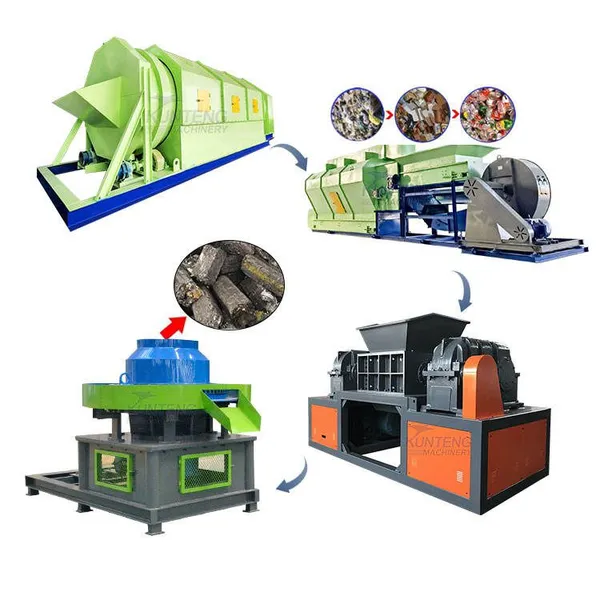
In a well-designed MSW Sorting Machine Plant, the compost sieve is not a standalone add-on. It is a sizing and cleaning stage that sits after primary bag-opening and pre-sorting, and before final composting or refining. Its role can be summarized in three functions:
Liberation: Breaking up agglomerated organic material so that entrained plastics and inerts are exposed.
Separation by particle size: Passing the compostable fine fraction through the screen aperture while retaining oversize contaminants on top.
Quality control: Producing an under-sieve stream with a consistent particle size that downstream composting, refining, or pelletizing equipment can handle predictably.
Trommel screens used in municipal waste composting commonly operate with screen apertures in the 6–40 mm range and drum diameters from roughly 1,000 to 2,500 mm, with throughput capacities spanning from small modular units to several hundred tonnes per hour depending on drum length and configuration. The correct specification is not the largest available aperture or the highest headline tonnage—it is the aperture that matches the maturity of the organic fraction and the contamination profile of the incoming load.
A useful principle for B2B buyers evaluating Mixed Municipal Solid Waste Sorting Equipment is to treat the sieve as a variable, not a fixed constraint. A plant designed around a single fixed aperture will either over-reject organics or under-reject contaminants when feedstock composition shifts seasonally. Modular trommel sections and adjustable screen media allow the same production line to adapt without a full rebuild.
How to Deal with Organic MSW Over-Sieve Fraction and Improve Compost Yield
The practical question most plant operators face is not how to screen, but how to manage the material that stays on top of the screen. The over-sieve fraction is not waste by default; it is a stream that can be further processed, but only if the sieve has done its job of concentrating contaminants into a manageable volume. The following sequence reflects operating practice in compost-oriented sorting lines:
Characterize the feed before adjusting the sieve. Sample the incoming organic fraction for plastic bag content, moisture, and particle-size distribution. A feed with 15–20 percent film plastic requires a different drum configuration from a feed dominated by brittle contaminants.-36
Set the aperture for the downstream process, not for the screen’s maximum capacity. If the compost refining stage uses a 12 mm final screen, running the primary trommel at a much larger aperture shifts the contaminant-removal burden downstream. A two-stage approach—coarser primary sizing followed by finer refining—often produces a cleaner under-sieve than a single aggressive pass.
Consider mechanical pre-treatment of the over-sieve. Research on post-sieved compost has shown that mechanical crushing of the retained fraction before a second screening pass can increase compost yield by up to 60 percent without materially changing nutrient content. In practice, this means the over-sieve is not a final reject; it is a recyclable stream that deserves a second sizing opportunity.
Route the screened rejects according to their composition. Once the sieve has concentrated plastics, textiles, and inerts into the over-sieve, that fraction can be directed to the appropriate recovery or disposal route rather than being landfilled as mixed waste. This is where a sieve-integrated City Garbage Sorting Production Line differs from a conventional MBT plant: the over-sieve becomes a defined output, not a nuisance.
A Working Reference: Stockholm’s Automated MSW Sorting Plant
The Resursutvinning Stockholm facility, designed and built by STADLER for Sweden’s largest water and waste utility, illustrates how sizing and separation stages work together at scale. The plant is designed to process 50 tonnes of waste per hour and uses fully automated sorting lines to recover organic waste from household garbage, along with plastic and metals that arrive mixed in the residual stream.-11
Two features are directly relevant to compost sieve selection. First, the plant separates material by particle size using screening drums after an initial manual pre-sort for bulky and hazardous items. Second, the facility’s coloured bag sorting system extracts organic-filled bags before they are opened, reducing the contaminant load that reaches downstream sizing equipment. The result is a sorting line that recovers organic material for further treatment while lowering the volume of material sent to incineration—a measurable operational outcome that municipal utilities can use to justify capital investment.-11
The lesson for buyers is not that every plant needs near-infrared spectrometers. It is that the compost sieve performs best when upstream stages have already removed the contaminants that would otherwise blind the screen. A sieve cannot compensate for a bag-opening section that shreds plastic into the organic stream.
FAQ for B2B Buyers
What is the minimum order quantity for a municipal waste compost sieve?
For standalone trommel screens and modular sieve sections, the minimum order quantity is commonly one set, with customization available for drum diameter, drum length, screen aperture, and drive configuration. Complete sorting lines are quoted as project-based systems rather than catalogue units.
What is the typical lead time?
Standard configurations are frequently quoted in the 15–30 day range after technical confirmation, while customized drums and integrated production lines require a longer engineering and fabrication window. Buyers should request a schedule that separates equipment manufacturing from site installation and commissioning.
Can the sieve be customized for our waste composition?
Yes—customization is the norm rather than the exception in this equipment category. Adjustable parameters include screen aperture, drum rotation speed, drum diameter and length, and the number of screening stages. Suppliers serving export markets routinely adjust equipment parameters and process flows based on a customer’s waste composition data. The more representative your feed sample, the more precise the customization.
Next Step: Match the Sieve to Your Organic Recovery Target
A compost sieve is a small fraction of the capital cost of a sorting plant, but it governs the quality and quantity of the product the plant exists to make. If you are specifying a Mixed Municipal Solid Waste Sorting Equipment package or upgrading an existing City Garbage Sorting Production Line, the productive next step is to define your target compost specification first—aperture, contamination ceiling, and throughput—and then select the sieve stage that can hold that specification across your real feedstock variability. Share your waste composition data and recovery target with an equipment partner who can translate those numbers into a drum configuration, not just a tonnage rating.
Recently Posted
-
MSW to RDF: A Practical B2B Buyer’s Guide
October 31, 2026Municipal solid waste recycling plants are under pressure to produce a fuel that cement kilns will actually accept—not just shredd Read More
-
Frozen French Fries Potato Production Line: A Buyer’s Yield Guide
October 30, 2026Published on October 30, 2026Most frozen French fries production line investments fail not at the frying stage, but at the sizing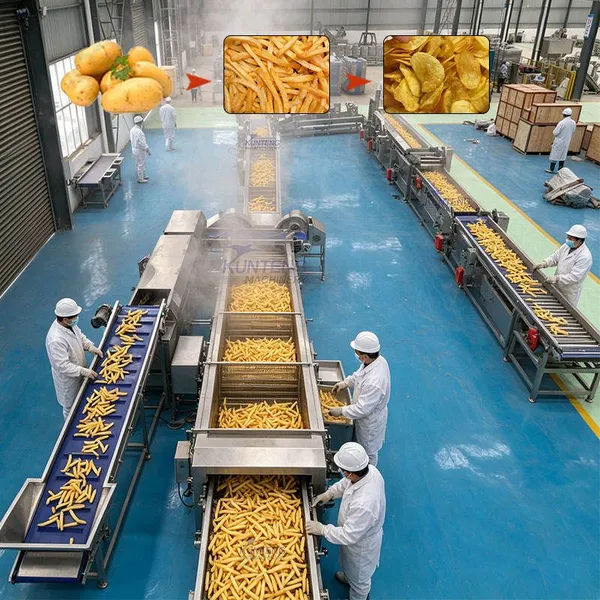 Read More
-
Continuous Tray Freeze Dryer: Scale Without Nutrient Loss
October 28, 2026Published on 28 October 2026If your freeze-dried fruit, vegetable, or ready-meal line is still running batch chambers with manual Read More
-
Frozen Storage Cold Rooms: A B2B Energy Playbook
October 27, 2026Published on 27 October 2026A frozen storage cold room is no longer just a box that holds temperature. For B2B buyers evaluating a Read More

Contact Us
Recommended Products
-
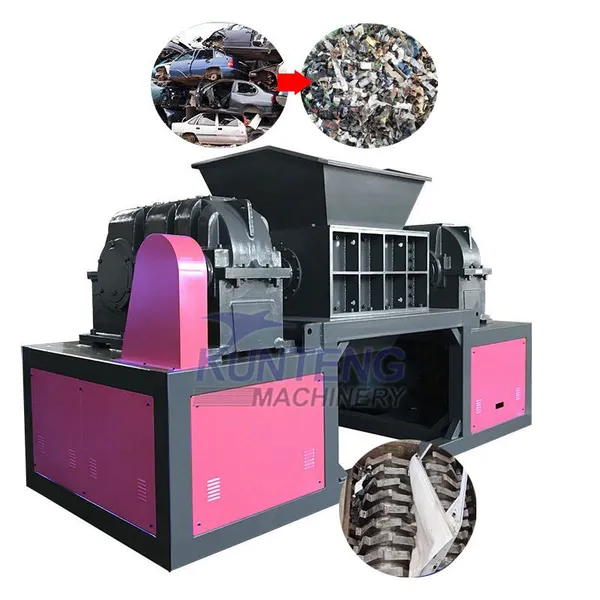
 Continuous Heavy Metals Shredder Damaged Cars Crusher HMS Heavy Melting Steel Scrap Wire MS Iron ShredderNegotiableMOQ: 1 Set
-
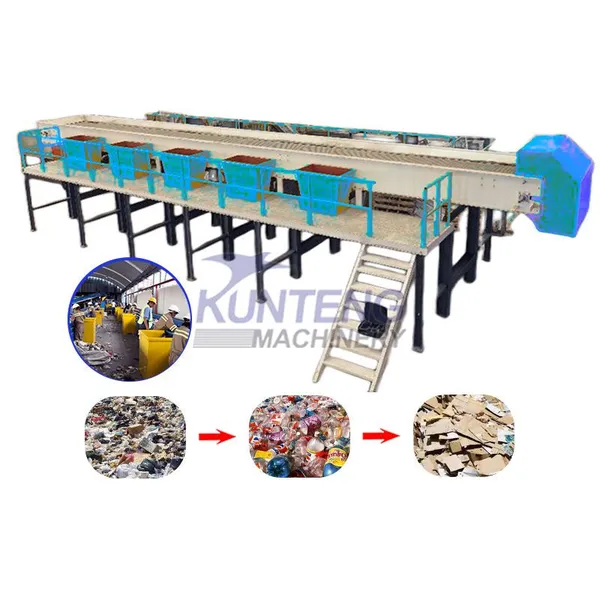
Large Dustbin for Sorting Table With Scrapshoot Hole Waste Segregation Machine Sorting LineNegotiableMOQ: 1 Set
-
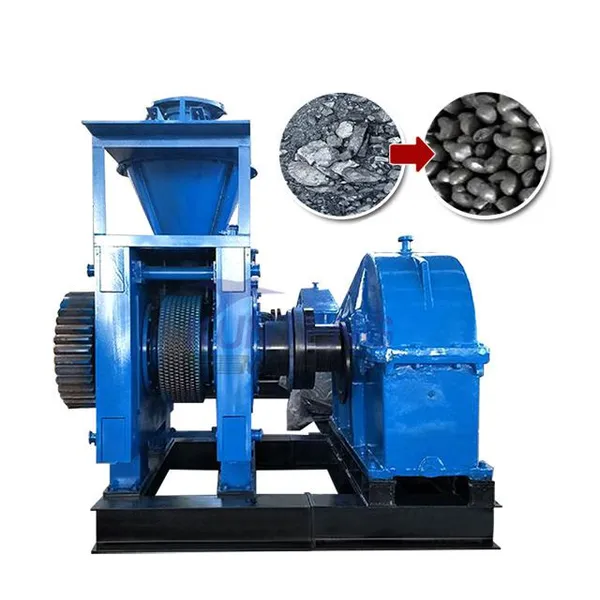
High Productivity Iron Ore Powder Ball Press Machine Mineral Soil Silicon Powder Briquetting MachineNegotiableMOQ: 1 Set
-
Eco-friendly Coconut Shell Charcoal Briquette Making Machine Charcoal Press Machine Bbq Charcoal Production LineNegotiableMOQ: 1 Set
-
Full Automatic Coconut Charcoal Hydraulic Press Machines Sawdust Charcoal Briquette Machines Biomass Charcoal Briquette MachineNegotiableMOQ: 1 Set
-
Corn Stalk Briquette Making Machine Chicken Manure Biomass Briquetting Extruder Press MachineNegotiableMOQ: 1 Set
-
Small Scale Charcoal Briquette Making Machine Compressed Coal Industry Machines Automatic Extruder Production LineNegotiableMOQ: 1 Set
-
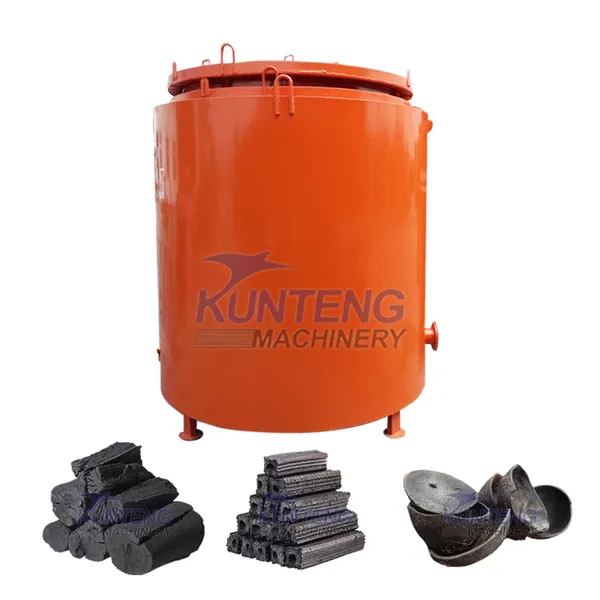
Automatic Eco-Friendly Vertical Hosting Carbonization Furnace Horizontal Sawdust Carbonizer FurnaceNegotiableMOQ: 1 Set
-
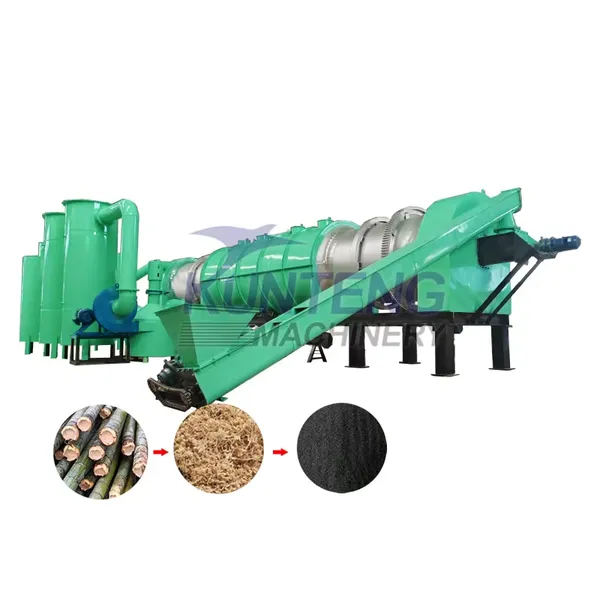
Eco-friendly Charcoal Making Machine Carbonization Furnace Continous Carbonization StoveNegotiableMOQ: 1 Set
-
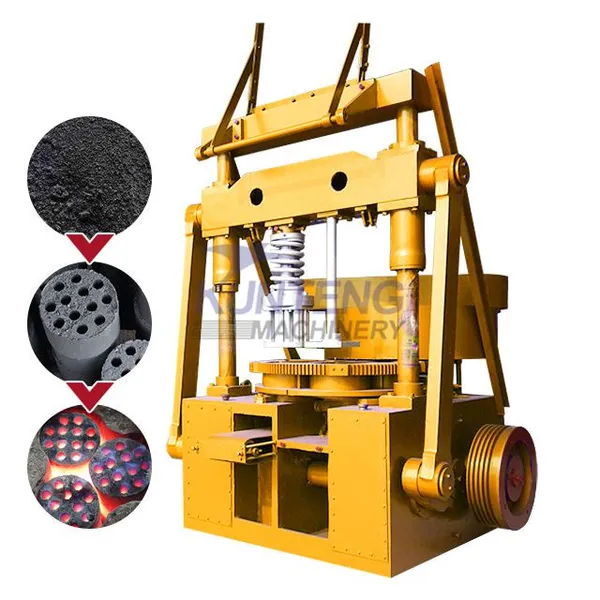
Coal Press Machine Can Customize Honeycomb Coal Forming Machine Commercial Forming MachineNegotiableMOQ: 1 Set
-
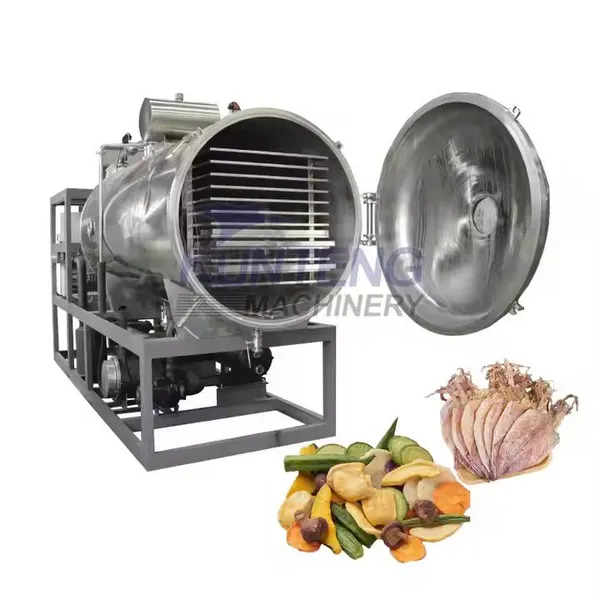
Large Commercial High Productivity Freeze Drier Dryer LyophilizerNegotiableMOQ: 1 Set
-
Monoblock Freezer Blower -18c Cold Storage Cold Room Kits CoolingNegotiableMOQ: 1 Set
-
Professional Air Flow Separation Machines Air Separation System for Waste SortingNegotiableMOQ: 1 Set
-
Smokeless Waste Incineration Machine Garbage IncineratorNegotiableMOQ: 1 Set
-
Fruit and Vegetable Drying Processing Machine Grape Raisin Drying Machine Mango Dryer MachineNegotiableMOQ: 1 Set
-
Trommel Screen Machine Construction Waste Sorting EquipmemtsNegotiableMOQ: 1 Set
-
Municipal Solid Waste Converts to RDF Machines Waste Plastic to Fuel Machine Waste Recycling PlantNegotiableMOQ: 1 Set
-
High Capacity Teak Drying Chamber Timber Formwork Dry Machine Wood Drying EquipmentNegotiableMOQ: 1 Set
-
Smart Waste Plastic Crusher and Baler Machine Recycling Machine for Plastic Waste to Make BricksNegotiableMOQ: 1 Set
-
New Design Waste Separation Machine Trommel Screen Machine for Rubbish Garbage Sorting Plant LineNegotiableMOQ: 1 Set