
 Business License
Continuous Tray Freeze Dryer: Scale Without Nutrient Loss
Published on 28 October 2026
If your freeze-dried fruit, vegetable, or ready-meal line is still running batch chambers with manual tray handling, the bottleneck is no longer the drying recipe—it is the gap between cycles. Every defrost stop, every vacuum break, and every manual load/unload window erodes throughput and exposes heat-sensitive nutrients to avoidable quality drift. This guide examines how a Continuous Automatic Tray Freeze Dryer with Automatic PLC control changes the economics of industrial food dehydration, and how to size and operate one without overcapitalizing.
Why the Freeze-Drying Market Is Shifting Toward Automation and Continuous Flow
The freeze-drying market is expanding at a pace that rewards processors who remove operational friction. According to The Business Research Company’s Freeze Drying Market Report 2026, the global market was valued at $8.13 billion in 2025 and is projected to reach $13.4 billion by 2030, a CAGR of 10.6%. The report specifically identifies “increasing adoption of automated lyophilization systems” and “growing focus on energy-efficient equipment” as forecast-period growth drivers.-1
Two demand-side forces are converging on food processors:
Clean-label and nutrient-retention pressure. Industrial tray freeze-dryers dominate equipment demand globally, driven by clean-label preferences and superior nutrient retention in freeze-dried fruits, vegetables, and ready meals.
Pet food and functional nutrition. These segments are emerging as high-growth end uses, with processors co-investing in freeze-dryer fleets near raw-material bases to secure premium supply.
The operational implication is straightforward: batch equipment can produce a premium product, but it struggles to deliver premium volume without proportional labor and energy penalties. Continuous tray architecture addresses that constraint at the system level.
How a Continuous Automatic Tray Freeze Dryer with PLC Control Solves the Throughput–Quality Trade-Off
A Food Freeze Dehydrator Machine built around continuous tray flow does not simply run faster—it eliminates the non-drying time that batch chambers accumulate between loads. GEA’s CONRAD® continuous freeze dryer, for example, is engineered for 24/7 processing at up to 8,000 hours per year, with product loss during drying held below 0.1% and uniform final product quality maintained across the run. Because trays move through discrete temperature zones and the internal condenser uses continuous de-icing without breaking operating vacuum, the drying profile stays stable from the first tray to the last.-46
Energy performance is the second lever. A peer-reviewed control-system study published in IEEE Xplore demonstrated that a PLC-based control strategy for vacuum lyophilizers reduced overall energy consumption to approximately 50% of the reference level. In continuous food freeze-drying specifically, equipment comparisons show that continuous operation removes the stop-start penalties of batch processing—idle defrost, vacuum break, re-cooling, and reheating—resulting in ~30% lower installed power, ~40% lower refrigeration demand, and ~25% lower unit energy consumption versus intermittent systems of comparable drying area. Capacity per unit drying area is also 1.2 to 1.5 times that of a batch machine.-20-50
This is where Automatic PLC control vacuum freeze drying machine design earns its place in a production line: the controller is not a convenience feature but the mechanism that synchronizes tray movement, zone temperatures, vacuum stability, and condenser switching so the continuous flow actually delivers the theoretical energy and quality advantages.
How to Scale Freeze-Dried Fruit Production Without Sacrificing Nutrient Retention—A Sizing and Setup Guide
The most common B2B search that precedes a freeze-dryer inquiry is not “what is a freeze dryer” but “how to scale freeze-dried fruit production without losing the nutrient profile that justifies the premium price.” The answer begins with correct sizing logic, not with a tray count.
Size from tested wet load per square metre, not from nominal tray count. Tray count is a poor capacity indicator unless tray dimensions, unusable area, product thickness, and wet loading density are all stated. Required usable drying area should be calculated as tested wet batch mass divided by tested wet loading per square metre.
Separate wet throughput from dry output and ice capacity. A machine label that confuses prepared wet kg per batch with kg/24 h finished product will understate condenser load and cycle time. Ask for a loading calculation and a comparable test record for a named product.
Match the control architecture to product sensitivity. For heat-sensitive fruit and vegetable pieces, the PLC should govern zone temperature ramps against the product’s eutectic point and collapse temperature—not simply hold a single setpoint. Continuous tray systems achieve this through adjustable temperature bands across drying zones.-50
Validate nutrient retention against the drying method, not against room-temperature benchmarks. A comparative study of navel orange slices found vacuum freeze-drying resulted in 9.09% vitamin C loss, versus 27.28% under hot-air drying. A separate 2026 review of kiwifruit drying methods concluded that freeze drying provided the highest retention of vitamins and carotenoids by minimizing oxidation and thermal damage. Continuous operation protects this advantage only if the product’s thermal exposure remains inside those validated windows.
Plan the cold-chain interface before signing the equipment order. Continuous tray systems load through airlocks and return empty trays externally; the layout of pre-freezing, loading, and post-drying packaging determines whether the line runs at nameplate capacity or stalls at the handoff points.-46
What a Continuous Tray Retrofit Looks Like in Operational Terms
Consider a mid-sized fruit processor running two batch freeze-dryers with manual tray handling. The observed pattern is familiar: each chamber completes roughly four to five drying cycles per week, with 8–12 hours between cycles lost to defrost, vacuum break, tray exchange, and re-cooling. Labor is concentrated in load/unload windows, and product at the chamber edges sees a measurably different thermal history than product at the center.
After replacing the batch configuration with a continuous automatic tray system under PLC control, the operating profile changes on three measurable dimensions:
Calendar uptime. Continuous 24/7 operation with non-stop condenser de-icing moves the line toward year-round availability rather than batch-limited weeks.-46
Labor deployment. Automatic tray transport and airlock loading shift operators from manual handling to process monitoring, reducing the peak-labor spikes that drive overtime and handling damage.
Quality consistency. Uniform heat transfer across tray stacks and zone-specific temperature control reduce within-batch and batch-to-batch variation, which is the precondition for holding a premium clean-label specification.-46-50
The economic case is not hypothetical. Published techno-economic comparisons of freeze-drying configurations report payback periods in the range of 2.4 to 3.8 years depending on scale and product mix, with industrial-scale configurations improving unit economics through higher wet throughput per installed unit. The continuous architecture compresses the payback path because the same drying area produces more saleable output per calendar year while consuming less energy per kilogram.
Frequently Asked Questions from B2B Buyers
What is the typical lead time for a continuous automatic tray freeze dryer?
Lead times vary by configuration and whether the unit is integrated into an existing line. Industry benchmarks for industrial freeze dryers generally run 60–120 working days from deposit clearance, while customized or line-integrated dryers are quoted from drawing approval rather than from a catalog number. PLC architecture, tray dimensions, and refrigeration configuration are the main variables that move the schedule.
Can the PLC control system and tray format be customized for our product?
Yes, but customization should be specified around tested product data rather than around machine aesthetics. Relevant inputs include prepared wet kg per batch, target kg/24 h, product thickness and loading density, initial and residual moisture, and the validated drying curve. Custom tray geometry, zone temperature bands, and PLC recipe management are available on industrial platforms; the constraint is engineering validation time, not the control hardware itself.
Is continuous operation compatible with small or variable product runs?
Continuous tray systems perform best with a dominant product family and stable loading. For multi-product facilities, the practical approach is to define a primary high-volume SKU for the continuous line and retain batch capacity for low-volume or experimental runs. This preserves the energy and uptime benefits of continuous flow without forcing changeover-intensive small batches through a line designed for steady-state operation.
Next Step: Specify the Line Around Your Product, Not Around a Brochure
The difference between a freeze-drying investment that pays back and one that becomes a bottleneck is rarely the drying principle—it is whether the equipment was sized and controlled around the actual thermal and throughput behavior of your product. A Continuous Automatic Tray Freeze Dryer under Automatic PLC control delivers its advertised energy and quality advantages only when tray loading, zone temperatures, condenser duty, and airlock logistics are engineered as one system.
If you are evaluating a Food Freeze Dehydrator Machine for a fruit, vegetable, ready-meal, or pet-food line, the productive next step is to compile your tested wet loading data, target residual moisture, and validated drying curve, then request a sizing review and cycle-time projection against those inputs. That conversation—grounded in product data rather than nominal capacity—is where a continuous freeze-drying specification begins to separate from a batch quotation.
Recently Posted
-
Frozen Storage Cold Rooms: A B2B Energy Playbook
October 27, 2026Published on 27 October 2026A frozen storage cold room is no longer just a box that holds temperature. For B2B buyers evaluating a Read More
-
Horizontal Carbonization Furnace: Log & Bamboo Guide
October 26, 2026Published on 26 October 2026If you process logs, bamboo, or bulk woody biomass and still rely on traditional brick kilns or makesh Read More
-
How to Choose a Walk-in Cold Room That Cuts Downtime
October 23, 2026A Walk-in Cold Room is no longer a passive box at the back of a warehouse. For food distributors, processors, and cold-chain opera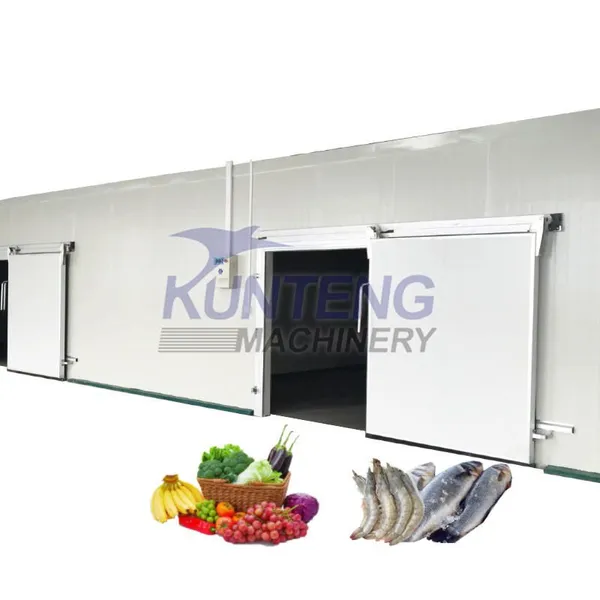 Read More
-
Stainless Steel Hydraulic Briquette Machine: A B2B Buyer’s Guide
October 22, 2026Published on October 22, 2026If you produce charcoal fines, coal dust, or shisha cubes, inconsistent briquette density and frequen Read More

Contact Us
Recommended Products
-
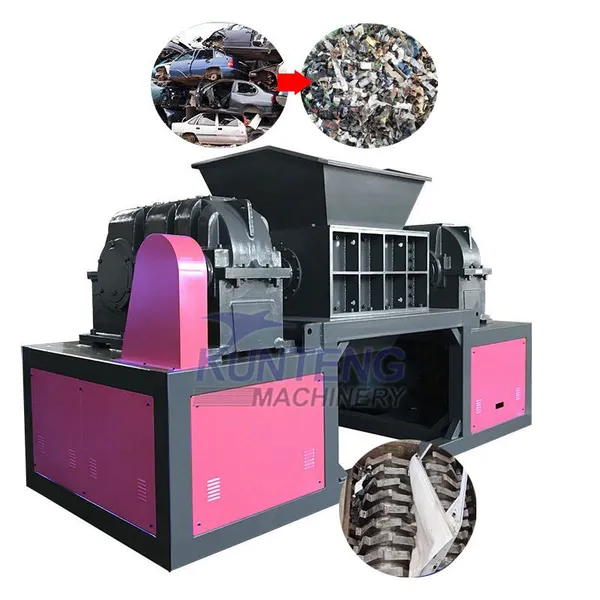
 Continuous Heavy Metals Shredder Damaged Cars Crusher HMS Heavy Melting Steel Scrap Wire MS Iron ShredderNegotiableMOQ: 1 Set
-
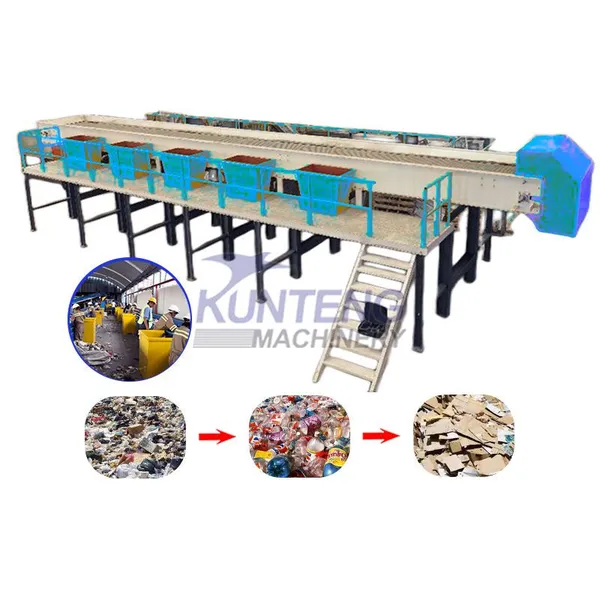
Large Dustbin for Sorting Table With Scrapshoot Hole Waste Segregation Machine Sorting LineNegotiableMOQ: 1 Set
-
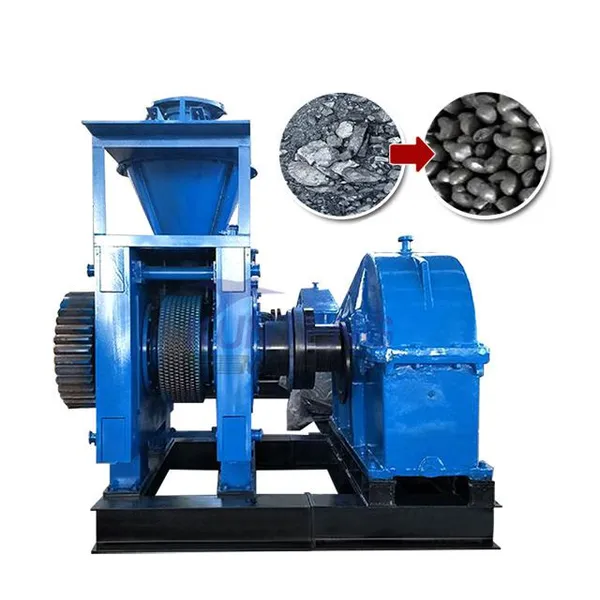
High Productivity Iron Ore Powder Ball Press Machine Mineral Soil Silicon Powder Briquetting MachineNegotiableMOQ: 1 Set
-
Eco-friendly Coconut Shell Charcoal Briquette Making Machine Charcoal Press Machine Bbq Charcoal Production LineNegotiableMOQ: 1 Set
-
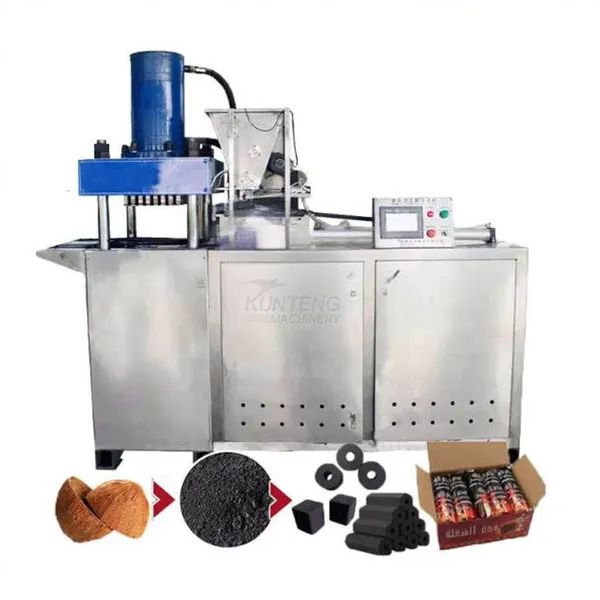
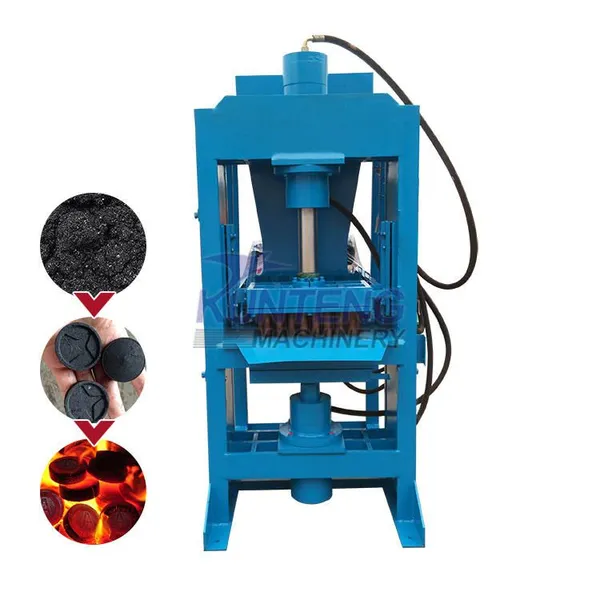
Full Automatic Coconut Charcoal Hydraulic Press Machines Sawdust Charcoal Briquette Machines Biomass Charcoal Briquette MachineNegotiableMOQ: 1 Set
-
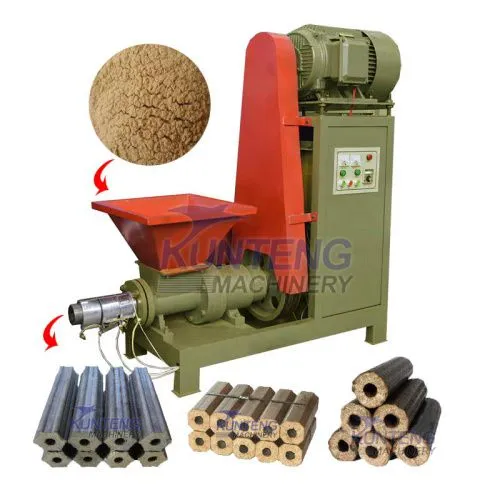
Corn Stalk Briquette Making Machine Chicken Manure Biomass Briquetting Extruder Press MachineNegotiableMOQ: 1 Set
-
Small Scale Charcoal Briquette Making Machine Compressed Coal Industry Machines Automatic Extruder Production LineNegotiableMOQ: 1 Set
-
Automatic Eco-Friendly Vertical Hosting Carbonization Furnace Horizontal Sawdust Carbonizer FurnaceNegotiableMOQ: 1 Set
-
Eco-friendly Charcoal Making Machine Carbonization Furnace Continous Carbonization StoveNegotiableMOQ: 1 Set
-
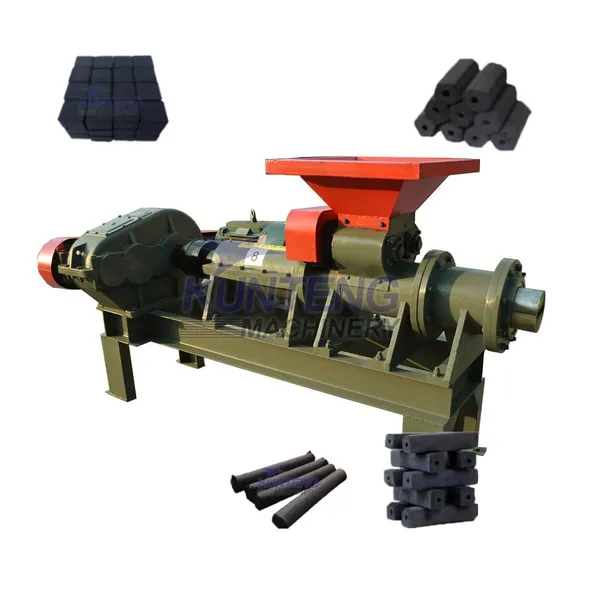
Coal Press Machine Can Customize Honeycomb Coal Forming Machine Commercial Forming MachineNegotiableMOQ: 1 Set
-
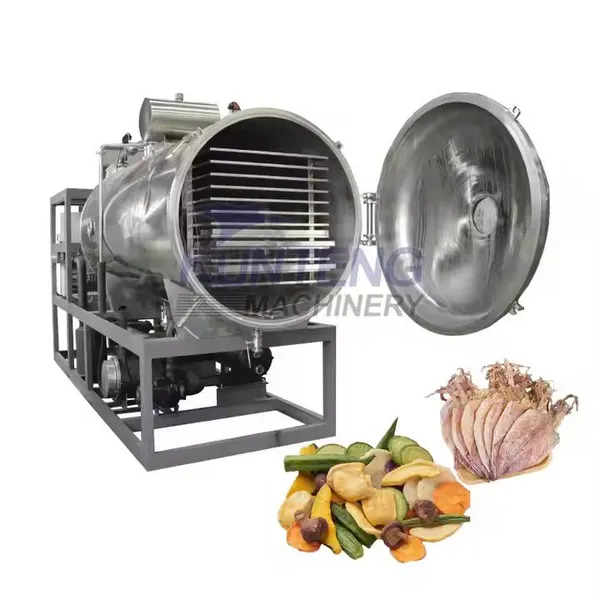
Large Commercial High Productivity Freeze Drier Dryer LyophilizerNegotiableMOQ: 1 Set
-
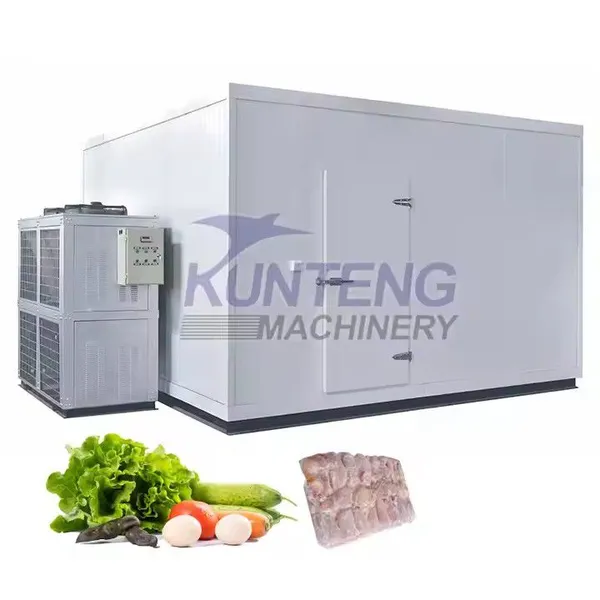
Monoblock Freezer Blower -18c Cold Storage Cold Room Kits CoolingNegotiableMOQ: 1 Set
-
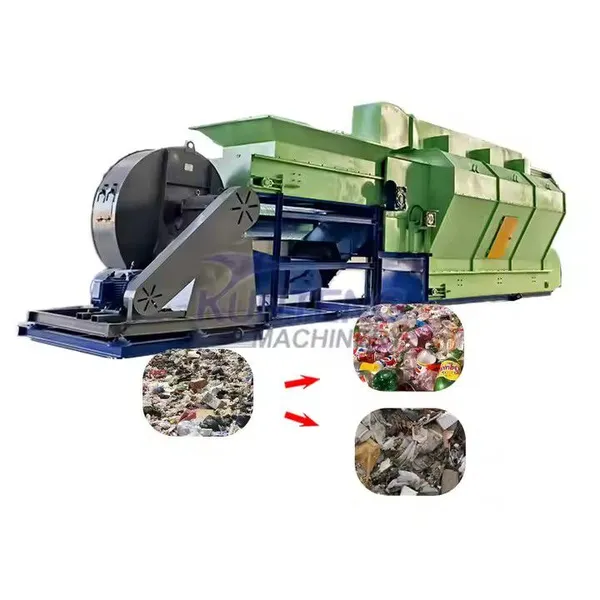
Professional Air Flow Separation Machines Air Separation System for Waste SortingNegotiableMOQ: 1 Set
-
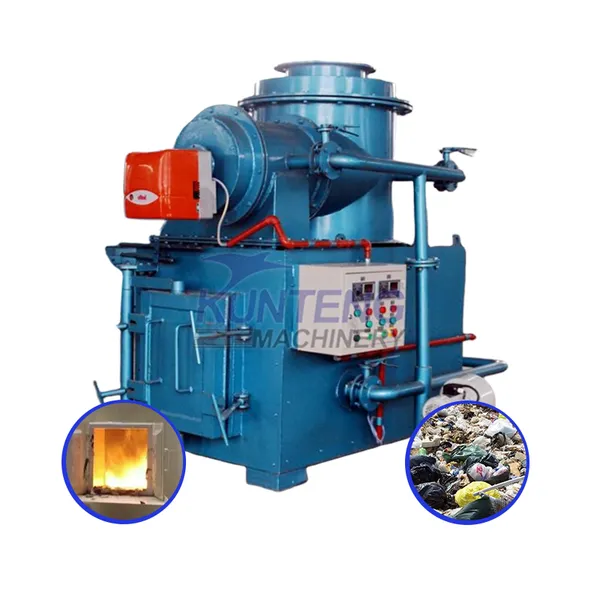
Smokeless Waste Incineration Machine Garbage IncineratorNegotiableMOQ: 1 Set
-
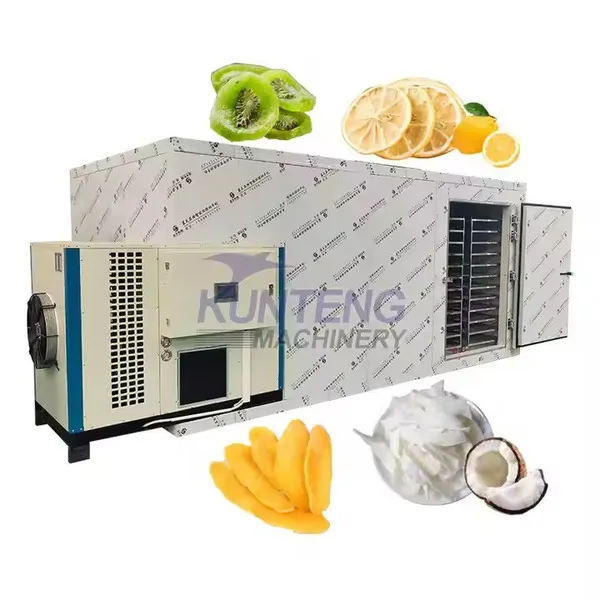
Fruit and Vegetable Drying Processing Machine Grape Raisin Drying Machine Mango Dryer MachineNegotiableMOQ: 1 Set
-
Trommel Screen Machine Construction Waste Sorting EquipmemtsNegotiableMOQ: 1 Set
-
Municipal Solid Waste Converts to RDF Machines Waste Plastic to Fuel Machine Waste Recycling PlantNegotiableMOQ: 1 Set
-
High Capacity Teak Drying Chamber Timber Formwork Dry Machine Wood Drying EquipmentNegotiableMOQ: 1 Set
-
Smart Waste Plastic Crusher and Baler Machine Recycling Machine for Plastic Waste to Make BricksNegotiableMOQ: 1 Set
-
New Design Waste Separation Machine Trommel Screen Machine for Rubbish Garbage Sorting Plant LineNegotiableMOQ: 1 Set