
 Business License
Coir Baling Machine: Cut Export Costs by 50%
If you are a coir processor or exporter struggling with bulky loose coconut fiber, high ocean freight fees, and low container utilization, a coir baling machine or coconut coir briquetting machine can directly solve these pain points. Many coir suppliers lose competitiveness simply because they ship large volumes of air instead of compacted coir products. This article explains how to reduce coir export transportation cost with a coir baling machine, helping you optimize production, cut logistics expenses and deliver consistent bales to global horticulture and geotextile buyers.
Global Coir Industry Background & Core Operational Challenges
Global demand for sustainable coir fiber and coco peat keeps growing as peat moss restrictions tighten across Europe and North America. Data Bridge Market Research, in its 2026 Coco Coir Market Report, notes that supply chain constraints and high logistics costs remain top barriers for coir exporters, especially for small and mid-scale processing plants.
The main operational challenges for coir manufacturers include:
Low density of loose coir fiber: Loose coir occupies 8–10 times more warehouse space than compressed bales, according to Central Coir Research Institute (CCRI), India’s national coir research bodyCentral Co....
Poor container loading efficiency: Loose coir only reaches 30–40% container space utilization, meaning exporters pay freight for empty space.
Moisture and contamination risks: Unpacked coir easily absorbs humidity during storage and transit, leading to mold and rejected shipments.
High labor cost for manual packing: Hand tying coir bales requires multiple workers and delivers inconsistent bale sizes, which fails to meet international buyer standards.
Econ Market Research’s 2026 Coconut Coir Market Analysis adds that transportation accounts for roughly 20% of total coir export costs, directly eroding profit margins for suppliers competing on global tender markets.
How a Coir Baling Machine Solves Coir Export Pain Points
A coir baling machine uses hydraulic pressure to compress loose coir fiber, coir pith or husk residues into uniform, tightly strapped bales. A coconut coir briquetting machine works similarly for smaller briquette blocks, ideal for retail horticulture customers.
Key advantages for B2B coir exporters:
Higher compression ratio: Standard hydraulic models achieve a 5:1 compression ratio, drastically cutting material volume and maximizing container payload.
Standardized bale dimensions: Uniform bale sizes simplify stacking, container loading and third-party inspection for overseas buyers.
Better moisture control: Strapped, wrapped bales reduce moisture absorption during warehouse storage and sea shipment, lowering rejection risks.
Reduced labor dependency: Semi-automatic and fully automatic models allow one operator to run the machine, replacing heavy manual packing teams.
Flexible output options: Switch between coir fiber bales and coco peat briquettes to serve geotextile, grow bag and greenhouse customer segments.
Unlike manual compression, industrial coir baling equipment maintains stable density batch after batch, which helps you win repeat orders from large importers that require consistent product specifications.
Step-by-Step Guide: How to Reduce Coir Export Transportation Cost with a Coir Baling Machine
This section answers the long-tail question: How to reduce coir export transportation cost with a coir baling machine. Follow these steps for implementation:
Raw material pre-treatment: Screen coir fiber to remove dirt and oversized husk fragments; control raw coir moisture between 10–12% before baling. Too much moisture will cause bale expansion and mold after shipment.
Match machine pressure to your product: Use higher hydraulic pressure for coir pith briquettes; select medium pressure for long coir fiber to avoid fiber breakage.
Set standard bale size and weight: Define fixed bale dimensions according to common 20GP / 40HQ container internal sizes. This step ensures you can fill each container to its weight limit without wasted space.
Use PP strapping and protective wrapping: Secure bales with polypropylene straps and add plastic wrapping for sea freight shipments to prevent moisture ingress.
Optimize loading plan: Calculate maximum bale quantity per container based on both volume and payload weight limits. Many coir exporters only calculate volume and miss container weight restrictions.
Track cost changes: Record freight cost per ton before and after installing the coir baling machine to measure ROI and adjust production schedules.
Real Client Case: Coir Exporter Boosts Container Payload
A Sri Lankan mid-sized coir exporter supplying coir fiber to EU horticulture buyers previously shipped loose coir. Before adopting a hydraulic coir baling machine, they could only load 8 tons of loose coir into a 20GP container. After installation, the same container carried 20 tons of compressed coir bales, cutting required container numbers by 67% for each 20-ton order.
Quantifiable business outcomes:
Ocean freight cost per ton reduced by 58%.
Warehouse space consumption dropped by 75%.
Shipment rejection rate from moisture damage fell from 11% to below 2%.
Consistent bale quality helped the exporter secure a 3-year framework contract with a European coir importer.
The client’s production manager reported that the machine payback period was less than 14 months, based only on freight and warehouse savings.
FAQ for B2B Buyers of Coir Baling Machine
Q1: Can I customize bale size and weight on a coir baling machine?
Yes. Most models support custom bale dimensions and target bale weight, to match your local raw material and your overseas buyer’s requirements. Customization includes hydraulic pressure adjustment, bale ejection method and automatic strapping configuration.
Q2: What is the lead time for a coir baling machine order?
Standard models have shorter lead times. Custom-configured machines with PLC automatic control systems require longer production cycles. Confirm your required configuration with the supplier to get an accurate timeline.
Q3: What maintenance work does a coconut coir briquetting machine need?
Daily maintenance includes hydraulic oil level checks, cleaning fiber residue from compression chambers, and strap system inspection. Schedule monthly seal and hose inspections to prevent hydraulic leaks. Following the maintenance manual extends machine service life and avoids unexpected downtime during peak coir harvest seasons.
Next Steps for Your Coir Processing Operation
High freight costs and inconsistent bale quality are major reasons coir exporters lose B2B contracts. A coir baling machine or coconut coir briquetting machine turns low-density loose coir into stackable, export-ready bales, improving your pricing competitiveness and product reliability for international buyers.
If you want to evaluate the right model for your daily output, raw material type and target bale specifications, explore our product details and compare machine configurations to find a solution aligned with your coir export business goals.
Recently Posted
-
Mobile Industrial Paper Shredder: On-Site C&D Waste Guide
October 20, 2026Published on October 20, 2026If your construction or demolition operation still hauls raw, bulky debris to a third-party processor Read More
-
Coconut Fiber Defibering Extracting Machine: Boost Coir Production
October 19, 2026Published on Oct 19, 2026If you run a coir processing plant, you know manual fiber extraction creates low yield, high labor cost a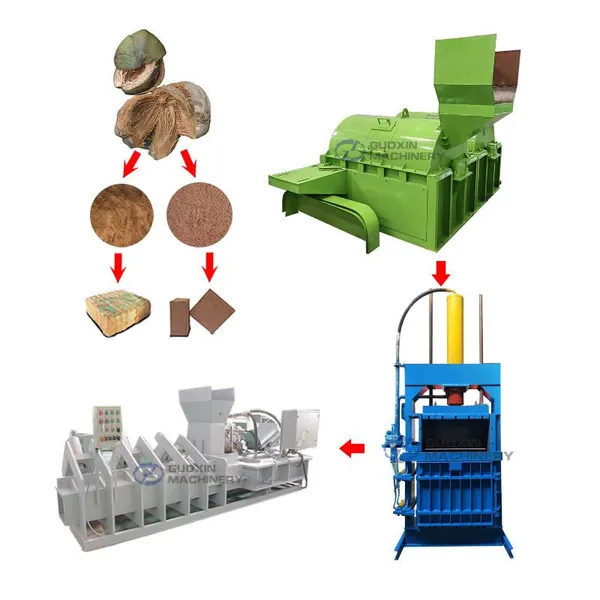 Read More
-
Continuous Automatic Tray Freeze Dryer: Scale Fruit & Veg Lyophilization
October 19, 2026Published on October 19, 2026If you run a fruit and vegetable processing plant aiming to scale freeze-dried snack production, a co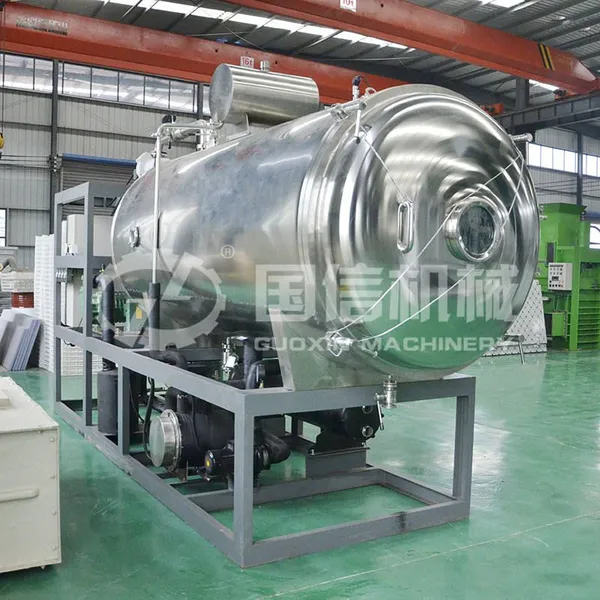 Read More
-
Coir Baling Machine: Cut Export Logistics Cost for Coir Producers
October 18, 2026Loose coir fiber is mostly air. A 40-foot high-cube container that should carry 20 metric tons of export-ready fiber often tops ou Read More

Contact Us
Recommended Products
-
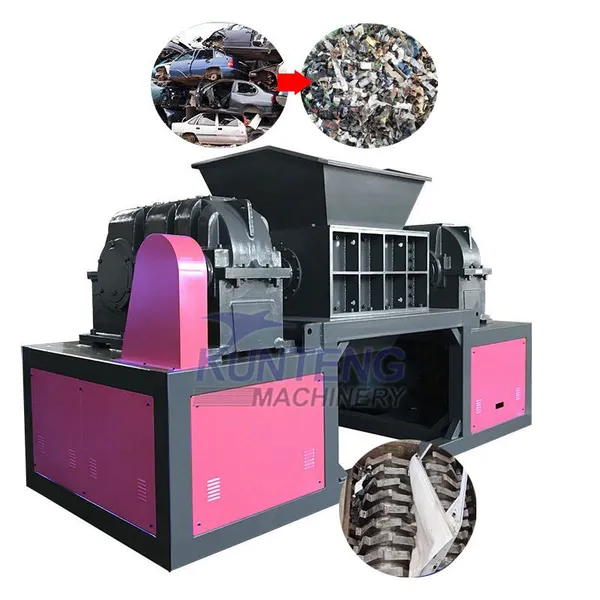
 Continuous Heavy Metals Shredder Damaged Cars Crusher HMS Heavy Melting Steel Scrap Wire MS Iron ShredderNegotiableMOQ: 1 Set
-
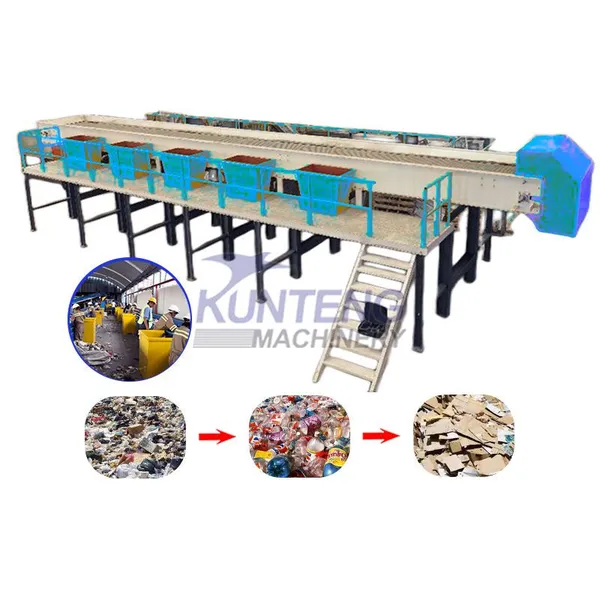
Large Dustbin for Sorting Table With Scrapshoot Hole Waste Segregation Machine Sorting LineNegotiableMOQ: 1 Set
-
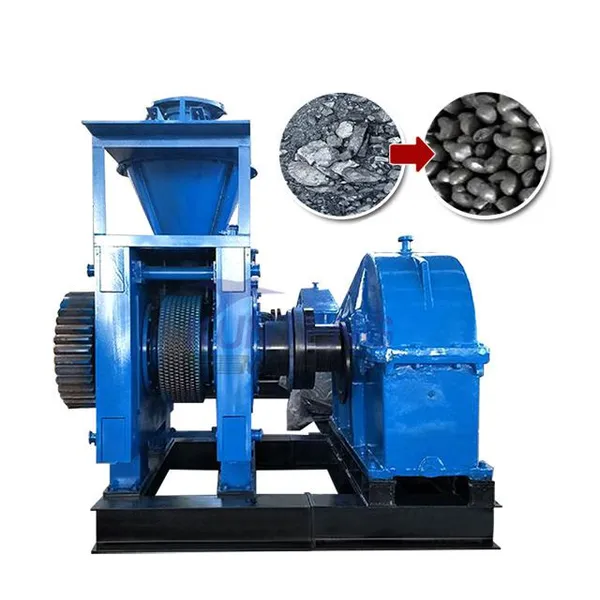
High Productivity Iron Ore Powder Ball Press Machine Mineral Soil Silicon Powder Briquetting MachineNegotiableMOQ: 1 Set
-
Eco-friendly Coconut Shell Charcoal Briquette Making Machine Charcoal Press Machine Bbq Charcoal Production LineNegotiableMOQ: 1 Set
-
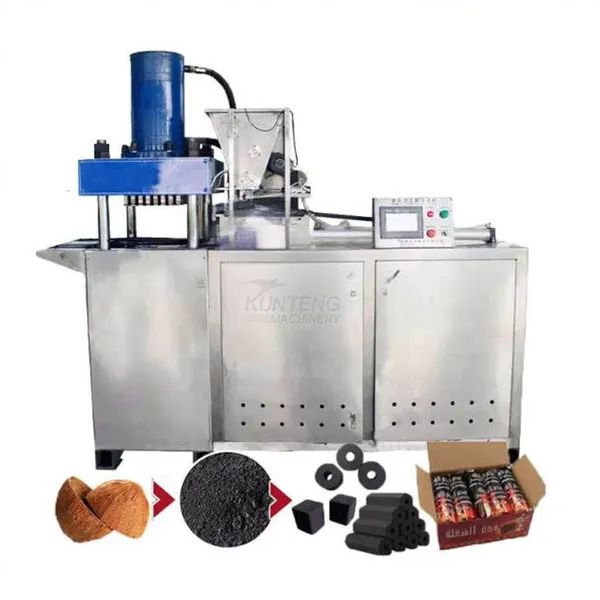
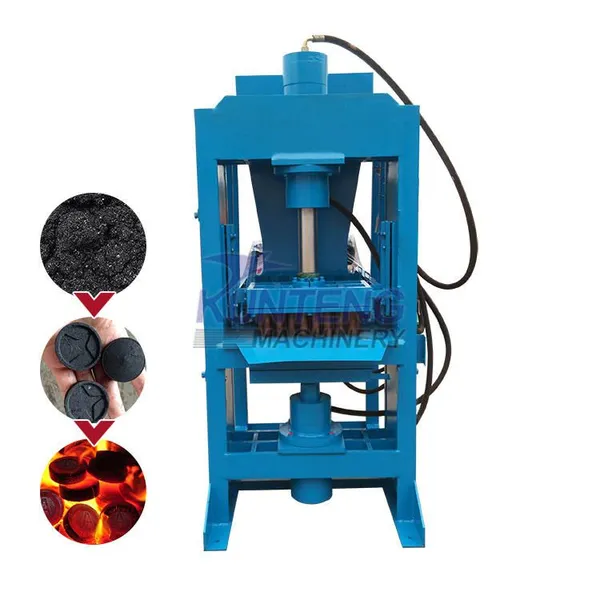
Full Automatic Coconut Charcoal Hydraulic Press Machines Sawdust Charcoal Briquette Machines Biomass Charcoal Briquette MachineNegotiableMOQ: 1 Set
-
Corn Stalk Briquette Making Machine Chicken Manure Biomass Briquetting Extruder Press MachineNegotiableMOQ: 1 Set
-
Small Scale Charcoal Briquette Making Machine Compressed Coal Industry Machines Automatic Extruder Production LineNegotiableMOQ: 1 Set
-
Automatic Eco-Friendly Vertical Hosting Carbonization Furnace Horizontal Sawdust Carbonizer FurnaceNegotiableMOQ: 1 Set
-
Eco-friendly Charcoal Making Machine Carbonization Furnace Continous Carbonization StoveNegotiableMOQ: 1 Set
-
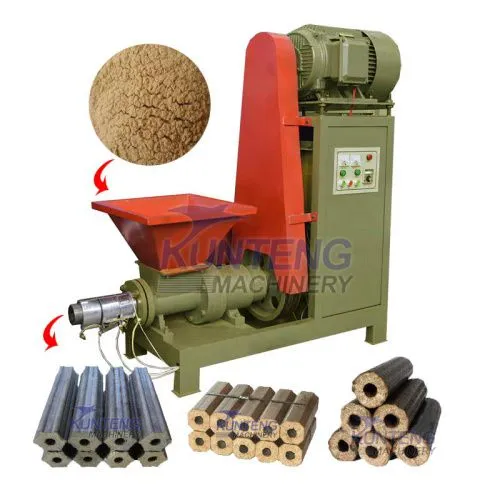
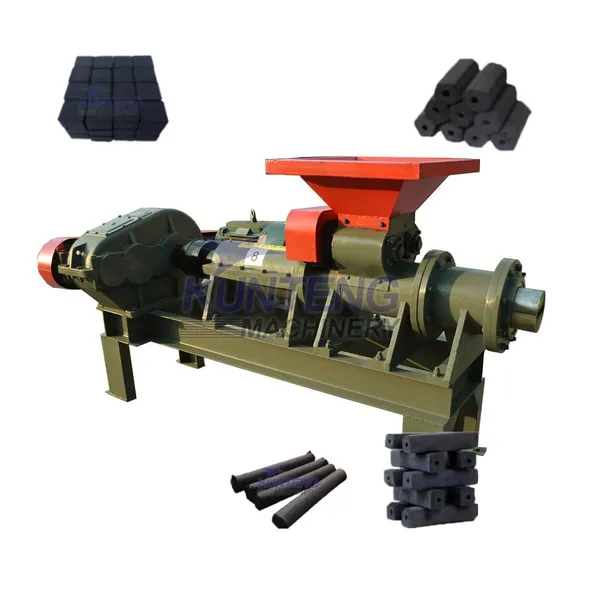
Coal Press Machine Can Customize Honeycomb Coal Forming Machine Commercial Forming MachineNegotiableMOQ: 1 Set
-
Large Commercial High Productivity Freeze Drier Dryer LyophilizerNegotiableMOQ: 1 Set
-
Monoblock Freezer Blower -18c Cold Storage Cold Room Kits CoolingNegotiableMOQ: 1 Set
-
Professional Air Flow Separation Machines Air Separation System for Waste SortingNegotiableMOQ: 1 Set
-
Smokeless Waste Incineration Machine Garbage IncineratorNegotiableMOQ: 1 Set
-
Fruit and Vegetable Drying Processing Machine Grape Raisin Drying Machine Mango Dryer MachineNegotiableMOQ: 1 Set
-
Trommel Screen Machine Construction Waste Sorting EquipmemtsNegotiableMOQ: 1 Set
-
Municipal Solid Waste Converts to RDF Machines Waste Plastic to Fuel Machine Waste Recycling PlantNegotiableMOQ: 1 Set
-
High Capacity Teak Drying Chamber Timber Formwork Dry Machine Wood Drying EquipmentNegotiableMOQ: 1 Set
-
Smart Waste Plastic Crusher and Baler Machine Recycling Machine for Plastic Waste to Make BricksNegotiableMOQ: 1 Set
-
New Design Waste Separation Machine Trommel Screen Machine for Rubbish Garbage Sorting Plant LineNegotiableMOQ: 1 Set